If you’re searching for a clear look at food trends 2026, you’re likely trying to understand what flavors, techniques, and global influences will shape the way we cook and eat in the coming year. With culinary movements evolving faster than ever—driven by cultural exchange, sustainability demands, and social media innovation—it can be difficult to separate lasting trends from short‑lived hype.
This article breaks down the most important global cuisine shifts, emerging fusion concepts, and practical cooking techniques that are set to define 2026. We focus on what’s gaining real momentum in professional kitchens and home cooking spaces alike, so you can stay ahead of the curve.
Our insights are grounded in ongoing analysis of international food movements, chef-driven innovation, and cross-cultural flavor development. By connecting worldwide culinary patterns with practical applications, this guide helps you understand not just what’s trending—but why it matters and how to use it in your own kitchen.
The Future on Your Fork
First, expect climate-smart proteins—foods engineered or cultivated to reduce environmental impact. Think precision-fermented dairy (real milk proteins made without cows) in your morning latte. While some argue lab-based foods feel unnatural, adoption data from BCG shows alternative proteins rising steadily. Meanwhile, hyper-regional spices will dominate; West African grains like fonio move from niche to normal. Unlike typical trend lists, we map supply-chain shifts to your pantry. In short, food trends 2026 aren’t just flashy plates—they’re practical upgrades (yes, even weeknight pasta). Pro tip: start experimenting now. Restaurants will double as micro food labs for consumers.
The New Fusion: Hyper-Regional Flavor Pairings
For years, fusion meant broad strokes—Japanese-Peruvian, French-Vietnamese. Now, however, chefs are zooming in. Instead of blending entire national cuisines, they’re pairing hyper-specific regions: think Oaxacan mole techniques layered onto Sichuan peppercorn heat. It’s less “mash-up,” more thoughtful dialogue.
Why the shift? I don’t think there’s one single answer. Still, a few forces stand out:
- Precision sourcing: Global supply chains now deliver Calabrian ’nduja or single-estate Greek olive oil to kitchens worldwide (though how sustainable this remains is up for debate).
- Digital knowledge exchange: Chefs swap regional techniques instantly through video platforms and online forums.
- Curiosity-driven diners: People want nuance, not just novelty—arguably a defining trait of food trends 2026.
Consider the smoky depth of Calabrian ’nduja—a spreadable, chili-laced pork salume—folded into Korean gochujang, a fermented chili paste known for its sweet funk. The result isn’t just spicy; it’s layered, almost symphonic (like a culinary Avengers crossover, but subtler).
Of course, some argue this micro-fusion risks diluting tradition. That’s fair. Yet cuisine has always evolved through exchange.
To փորձ this at home, drizzle peppery Cretan olive oil over a Vietnamese noodle salad. Notice how grassy bitterness reframes the herbs. You may not know exactly why it works—but that’s part of the thrill.
The Sweet & Savory Revolution: Umami in Desserts
For years, dessert meant one thing: sugar on sugar on sugar. (We’ve all had that cake that felt like a cavity waiting to happen.) But pastry chefs are quietly ending the sugar-bomb era by weaving in savory ingredients like miso, mushrooms, and even soy sauce. The goal? Complexity over cloying sweetness.
Umami—often called the “fifth taste”—is the savory depth found in foods rich in glutamates, such as aged cheese or fermented paste. Scientifically, umami enhances flavor perception and balances sweetness, making dishes taste fuller and more satisfying (Ikeda, 1908; Yamaguchi & Ninomiya, 2000). In other words, it keeps you coming back for another bite without overwhelming your palate.
So what’s showing up on menus? Think black garlic brownies with molasses notes, miso caramel ice cream with a salty edge, and parmesan shortbread that toes the line between cheese board and tea tray. It’s a clear signal in food trends 2026 that contrast is king.
Want to try it? Whisk ½ cup sugar over medium heat until amber, stir in 2 tbsp butter, ¼ cup warm cream, and 1 tbsp white miso. Cool slightly. Drizzle over vanilla ice cream, roasted apples, or glazed pork.
Curious how this shift connects to broader dining shifts? Explore how social media is influencing modern eating habits.
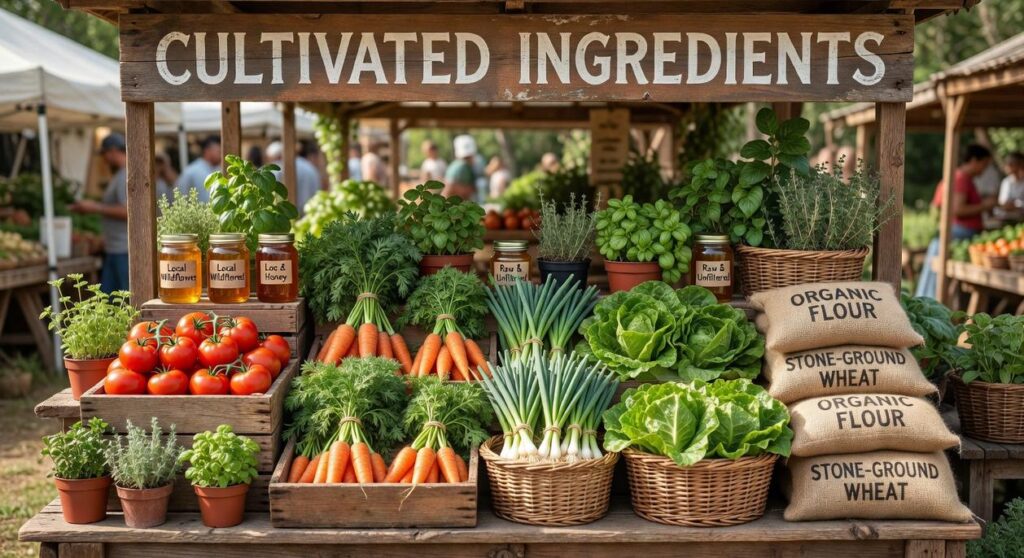
Sustainable Exotics: The Rise of Cultivated Ingredients
The craving for rare ingredients—think bluefin tuna or wild-foraged saffron—has created a real ethical bind. On one hand, chefs and home cooks want unforgettable flavors. On the other, overfishing and habitat loss are very real consequences (bluefin stocks have faced severe depletion, according to the WWF). Personally, I don’t think indulgence should cost the planet.
What Is Cultivated Seafood?
Cultivated seafood, sometimes called lab-grown seafood, is produced by growing real animal cells in a controlled environment rather than harvesting from oceans. In simple terms, scientists take a small sample of fish cells and nourish them to grow into edible tissue. The result aims to replicate taste and texture—without nets or bycatch. Supporters argue it reduces pressure on marine ecosystems; critics question scalability and cost. Fair point. Yet with the global seafood market projected to keep rising (FAO), I believe innovation isn’t optional—it’s necessary.
Beyond seafood, precision fermentation—a process where microbes are programmed to produce specific compounds—now yields saffron, vanilla, and cocoa. That could stabilize volatile prices and fragile supply chains.
For home cooks, this shift means consistent access to once-rare luxuries at local markets. Among food trends 2026, this is the one I’m genuinely excited to taste.
Technique Revival: Next-Generation Fermentation
Fermentation used to mean sauerkraut vs. pickles. Today, it’s koji-aged steak vs. dry-aged steak, black garlic vs. raw cloves, artisanal vinegar vs. basic balsamic. The difference? Control, culture, and time.
More Than Sauerkraut
Koji—rice inoculated with Aspergillus oryzae (a beneficial mold used in Japanese brewing)—breaks down proteins into glutamates, creating deep umami. Chefs use it to cure meats or build sauces, much like miso or shoyu in Japan. Compare that to simple cabbage fermentation: delicious, yes, but less transformative.
Black fruits and vegetables (slow-aged in humid heat) develop molasses-like sweetness and savory depth. Artisanal vinegars, often barrel-aged, deliver layered acidity instead of sharp sourness (think symphony vs. single violin).
The Flavor Payoff
Advanced ferments unlock funky, savory, and slightly sweet notes—like gochujang’s chili-rich complexity or Scandinavian fermented fish’s briny punch. Some argue these flavors are “too intense.” Fair. But intensity, used sparingly, creates balance (a splash of shoyu can replace a tablespoon of salt).
World traditions prove this isn’t new—it’s newly appreciated.
Getting Started at Home
Gateway project: lacto-fermented hot sauce. Blend chilies, garlic, 2% salt by weight, and water. Ferment in a jar with an airlock for 5–7 days. Strain, blend, bottle. Or try a fruit shrub—equal parts fruit, sugar, and vinegar for cocktails.
Expect to see more of this in food trends 2026.
Bringing the Future of Flavor to Your Kitchen
Last winter, I stirred miso into caramel on a whim—and it changed how I think about dessert. That salty-sweet depth (like salted popcorn at the movies, but smarter) snapped me out of a serious cooking rut. If you’ve skimmed food trends 2026, you’ve seen the shift: hyper-regional fusion, savory desserts, cultivated ingredients, advanced fermentation. These aren’t fads; they reflect a broader move toward sustainability and bold global flavor (FAO notes fermentation reduces food waste). Skeptics say trends complicate home cooking. I disagree. Start small:
- Try miso caramel over ice cream.
One new technique can reset your entire kitchen.
Bringing Global Flavors Into Your Kitchen in 2026
You came here to understand where global cuisine is heading and how to actually use those insights in your own kitchen. Now you have a clear view of the ingredients, techniques, and cultural influences shaping food trends 2026—from bold fusion pairings to smarter cooking hacks that elevate everyday meals.
If you’ve been feeling stuck making the same dishes on repeat or unsure how to experiment with international flavors without ruining dinner, that frustration ends here. The key is starting small: try one new spice blend, test one cross-cultural fusion recipe, or apply one pro-level technique to a familiar dish this week.
Global cooking doesn’t have to be complicated—it just has to be intentional.
Ready to transform your meals from routine to remarkable? Explore more world-inspired recipes, trend breakdowns, and practical cooking upgrades now. Join thousands of flavor-focused home cooks who are already turning global inspiration into unforgettable meals—start your next dish today.