
If you’re searching for ways to bring global flavors into your kitchen without losing authenticity, you’re in the right place. Exploring international cuisine can feel overwhelming—new ingredients, unfamiliar techniques, and cultural nuances often make even experienced home cooks hesitate. This article is designed to simplify that journey by breaking down essential global ingredients, sharing practical technique hacks, and guiding you through adapting international recipes to suit your pantry and taste preferences.
We’ve carefully researched traditional preparation methods, compared regional variations, and tested flavor combinations to ensure the guidance you’ll find here is accurate, practical, and rooted in real culinary practice. Our goal is to help you cook with confidence—whether you’re experimenting with fusion dishes or recreating a classic from another part of the world.
By the end, you’ll have clear, actionable insights to transform everyday meals into globally inspired experiences—without sacrificing authenticity or flavor.
Your Passport to a World of Flavor
What if your kitchen were a gateway to the world, no passport required? Many people hesitate, arguing that authentic global dishes demand rare spices, specialized tools, or years of training. And yes, unfamiliar ingredients can feel intimidating. However, that fear often fades once you understand a simple framework for adapting international recipes at home. Instead of chasing perfection, start with core flavors, learn basic techniques, and build from there. Soon, you will cook confidently, exploring cultures one dish at a time. This guide shows you how, step by practical step with clear guidance.
Building Your Global Pantry: The Essential Starting Blocks
Starting a global pantry can feel overwhelming (like walking into an international market and recognizing… nothing). The trick? Build a starter kit of versatile ingredients that unlock multiple cuisines without draining your wallet.
The Umami Foundation (East & Southeast Asia)
Umami—the savory “fifth taste”—adds depth and richness. Soy sauce brings salty complexity to stir-fries and marinades. Fish sauce, made from fermented fish, delivers punchy savoriness (a few drops go a long way). Toasted sesame oil adds nutty aroma—best used as a finishing oil, not for high-heat cooking.
The Aromatic Core (South Asia & Middle East)
Aromatics are spices that form a dish’s flavor backbone. Cumin offers earthy warmth, coriander adds citrusy brightness, and turmeric brings color and subtle bitterness. Together, they create balance in curries, stews, and rice dishes.
The Savory Base (Europe & Latin America)
Smoked paprika lends depth, oregano adds herbal sharpness, and quality olive oil ties everything together with richness. These staples elevate roasted vegetables, grilled meats, and simple sauces.
Pro tip: Buy small quantities first to keep spices fresh and reduce waste. Local international markets often offer better prices and authenticity than big-box stores, though reputable online shops are great for hard-to-find items. With these essentials, adapting international recipes becomes practical—and genuinely exciting.
Mastering Core Techniques That Cross Borders
Have you ever wondered why a stir-fry from Shanghai and a sauté from Paris feel different—yet rely on the same fundamentals? When you understand technique, you’re not just following recipes; you’re building fluency in flavor.
The Art of the Stir-Fry
At its core, stir-frying is about high heat, speed, and sequencing. A wok (a round-bottomed cooking pan designed for intense heat circulation) allows ingredients to sear quickly while staying crisp. Aromatics first, proteins second, vegetables last. Sound familiar? That layering creates depth without overcooking. (If your pan isn’t hot enough, you’re steaming—not stir-frying.) Pro tip: Preheat until a drop of water skitters across the surface.
Braising vs. Stewing
Both are low-and-slow methods that break down collagen (the connective tissue that makes meat tough) into gelatin. Braising uses larger cuts with partial liquid—think Boeuf Bourguignon. Stewing submerges smaller pieces fully, like Mexican Barbacoa. The science is simple: time + moisture = tenderness (Harold McGee, On Food and Cooking). Could that tough cut in your fridge become your next masterpiece?
Blooming Spices (Tadka)
Blooming means frying spices in hot oil to release fat-soluble compounds, intensifying aroma and flavor (Journal of Food Science, 2012). Mustard seeds crackle, cumin darkens, chilies perfume the air. It’s a small step with blockbuster results.
Balancing Flavors
Ask yourself: Is it salty enough? Too sour? Missing sweetness? Great dishes balance salty, sweet, sour, spicy, and umami (savory depth). Master this, and adapting international recipes becomes intuitive—especially when creating a global tasting menu at home (https://jalbiteworldfood.com.co/creating-a-global-tasting-menu-at-home/).
Your First Culinary Journey: Three Gateway Recipes
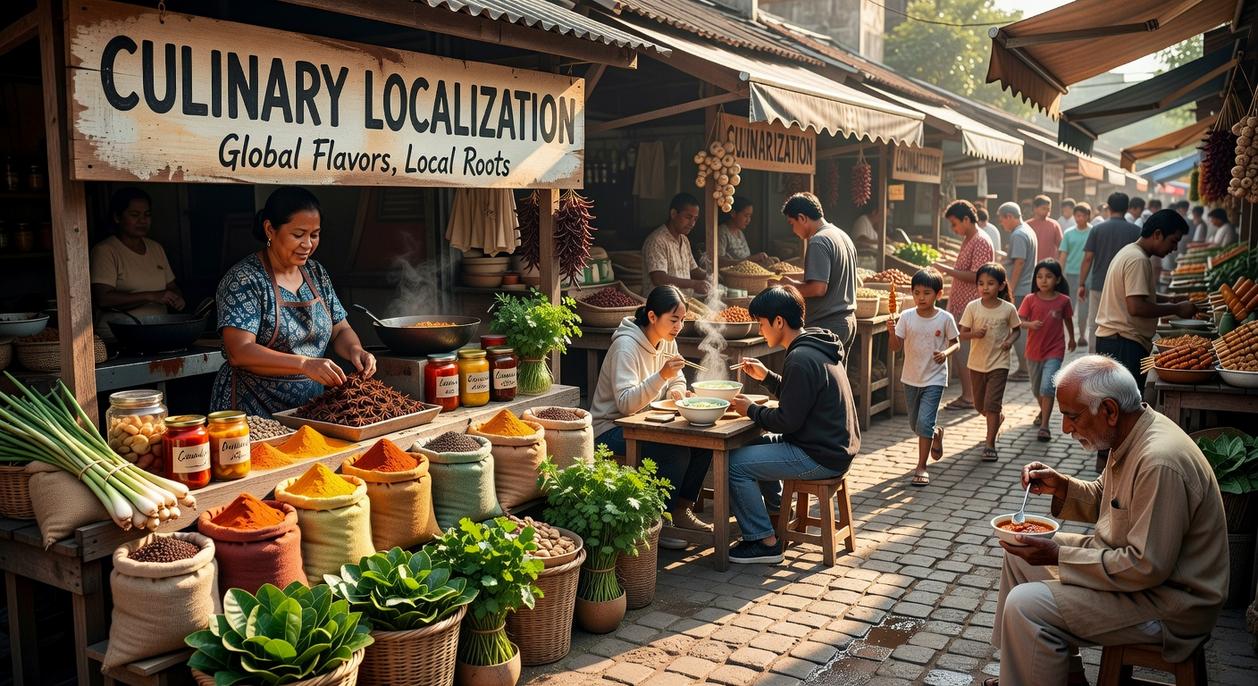
Starting with global flavors doesn’t require a passport—just the right techniques, ingredients, and clear steps. These three beginner-friendly dishes highlight core methods that unlock confidence in adapting international recipes while delivering bold, authentic taste.
For the Mediterranean Explorer: Greek Lemon Chicken and Potatoes (Avgolemono Style)
This dish showcases pan sauce building—using browned bits (called fond, the caramelized flavor stuck to your pan) to create depth.
Key Ingredients:
- Bone-in chicken thighs
- Yukon gold potatoes
- Fresh lemon juice
- Garlic cloves
- Chicken broth
- Fresh oregano
- Olive oil, salt, pepper
Simple Steps:
- Preheat oven to 400°F. Toss potatoes with olive oil, salt, and pepper in a roasting pan.
- Nestle chicken on top; roast 35–40 minutes.
- Remove chicken; place pan on stovetop. Add garlic and a splash of broth to loosen the fond.
- Stir in lemon juice and oregano to form a bright pan sauce.
- Spoon sauce over chicken before serving.
The benefit? You learn how acidity balances richness (a foundational Mediterranean principle). Some argue roasting is “set and forget,” but building the sauce transforms it from basic to memorable.
For the Southeast Asian Adventurer: Vietnamese Shaking Beef (Bò Lúc Lắc)
Here you’ll master the stir-fry technique, which uses high heat for quick caramelization.
Key Ingredients:
- Beef sirloin cubes
- Soy sauce
- Fish sauce
- Brown sugar
- Garlic
- Lime juice
- Red onion, watercress
Simple Steps:
- Marinate beef with soy, fish sauce, sugar, and garlic (15 minutes).
- Heat a wok or skillet until very hot.
- Sear beef in batches; shake the pan for even browning.
- Finish with lime juice and toss with onions.
This balance of sweet and savory reflects Vietnamese flavor structure. Critics say home stoves lack restaurant heat (fair), but a heavy pan preheated properly gets you close. Pro tip: Don’t overcrowd the pan.
For the Latin American Enthusiast: Colombian Arepas con Quesillo
Arepas introduce masa-based doughs—cornmeal dough bound with warm water.
Key Ingredients:
- Pre-cooked cornmeal (masarepa)
- Warm water
- Salt
- Shredded mozzarella or quesillo
- Butter or oil
Simple Steps:
- Mix cornmeal, salt, and water until soft but not sticky. Rest 5 minutes.
- Form patties; press cheese inside.
- Pan-sear 4–5 minutes per side until golden.
The crisp exterior and molten center prove simple ingredients create powerful texture (comfort food at its finest).
Bringing the World to Your Kitchen Table
Exploring global cuisine is a journey, not a destination. You don’t need a passport—just curiosity and a willingness to experiment (yes, even if you burn the first batch). With a foundational pantry and a few core techniques, thousands of dishes open up.
Start here:
- Stock essentials: soy sauce, cumin, chili flakes, garlic, rice, olive oil.
- Master techniques: sautéing, roasting, balancing acid and salt.
- Practice adapting international recipes to local ingredients.
Embrace imperfection; every attempt teaches your palate something new. This week, pick one gateway recipe and cook it. Inspiration tastes better when it’s homemade.
Bring Global Flavors Into Your Kitchen Today
You came here looking for inspiration, clarity, and practical ways to explore world cuisine with confidence. Now you have the essentials — from global flavor foundations to smart fusion ideas and technique hacks that make every dish more authentic and exciting.
But knowing about international flavors and actually cooking them are two different things. The real frustration isn’t lack of interest — it’s not knowing where to start, how to balance spices, or how to succeed at adapting international recipes without losing their soul.
Here’s your next move: pick one cuisine that excites you and cook one new dish this week. Focus on the core ingredients, apply the techniques you’ve learned, and experiment with confidence.
Thousands of home cooks turn to Jalbite World Food for trusted global flavor guidance and practical, easy-to-follow inspiration. If you’re ready to stop guessing and start creating unforgettable international meals, explore more recipes, techniques, and world flavor guides now — and transform your kitchen into a global table.