
Craving the rich, soul-soothing dishes you grew up with—but want to keep them entirely plant-based? This guide is your roadmap to creating deeply satisfying, globally inspired plant-based comfort food that delivers on flavor, texture, and nostalgia. Too often, meatless versions fall flat, missing the savory depth and indulgent feel that define true comfort cuisine. Here, you’ll discover the techniques, ingredient pairings, and international flavor secrets that bring richness without compromise. Drawing from years of hands-on exploration of world cuisines, we’ll show you not just recipes, but the core principles to transform any plant-based meal into something hearty, crave-worthy, and unforgettable.
The Secret to Rich, Savory Flavor Without Meat or Dairy
Building the Umami Foundation
Umami—often called the fifth taste—is the deep, savory flavor that makes food feel satisfying. Scientifically, it’s linked to glutamates, naturally occurring compounds found in foods like mushrooms, tomatoes, and fermented products (Ikeda, 1908). While some argue that true richness requires meat or cheese, that’s not entirely accurate. Umami can be layered thoughtfully in plant-based comfort food—and when it works, you don’t miss a thing.
That said, flavor perception is personal. I can’t promise every palate will be convinced on the first bite (taste is wonderfully subjective). But the foundation is solid.
Your Global Flavor Pantry starts with miso paste from Japan for fermented depth, nutritional yeast for cheesy notes, smoked paprika from Spain for subtle smokiness, and dried shiitake mushrooms for broth that tastes almost meaty. Fermentation intensifies savory compounds—which helps explain why fermented ingredients shine (see why fermented foods are making a strong comeback).
Technique Hack: The Maillard reaction—browning that occurs when heat transforms sugars and amino acids—creates complex flavor (Harvard T.H. Chan School of Public Health). Slowly caramelize onions, sear mushrooms, and roast carrots until golden. Pro tip: don’t overcrowd the pan (steam is the enemy of browning). That crust? That’s flavor.
Recipe Spotlight: Creamy Tuscan-Inspired White Bean & Kale Stew
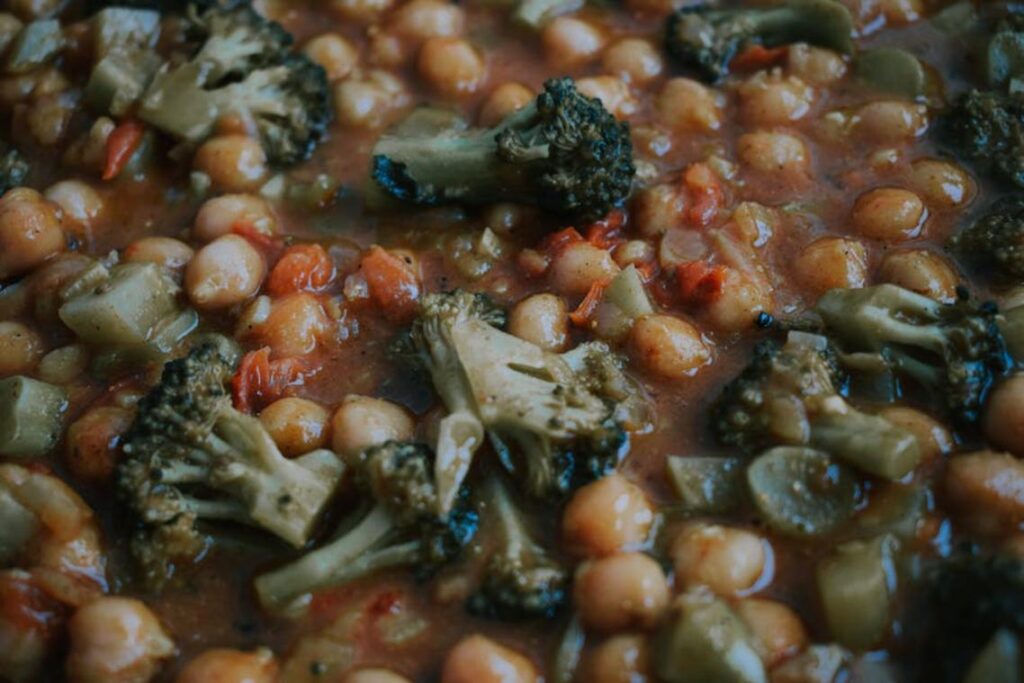
If you’ve ever wondered how a handful of humble ingredients can turn into something luxuriously satisfying, this stew is your answer. At its core, it follows the Italian tradition of cucina povera—literally “poor kitchen.” That doesn’t mean low quality. It means cooking built on simple, affordable staples and transforming them with technique.
Why It Works
First, the creaminess. Instead of dairy, blended cannellini beans create body. Cannellini beans are mild, white Italian beans known for their soft texture and ability to thicken soups naturally. When partially blended, they release starch, giving the stew a velvety consistency (no heavy cream required).
Then come the aromatics—a culinary term for ingredients like garlic and rosemary that build foundational flavor. Sautéing them in olive oil unlocks fat-soluble compounds, intensifying their aroma and taste.
Ingredient Breakdown
You’ll need cannellini beans, kale, garlic, fresh rosemary, vegetable broth, olive oil, salt, pepper, and a splash of lemon juice. The lemon isn’t just decorative; acidity brightens flavors and balances richness. Think of it as turning up the contrast on a photo.
Step-by-Step Simplicity
First, sauté garlic and rosemary in olive oil until fragrant. Next, add beans and vegetable broth, then simmer to let flavors meld. After that, blend a portion of the stew for creaminess while keeping some beans whole for texture. Stir in chopped kale and cook until just wilted. Finally, finish with lemon juice, salt, and pepper.
Some argue hearty stews require meat for depth. However, slow simmering and thoughtful layering prove otherwise. This bowl delivers plant-based comfort food with nothing more than pantry staples and smart technique.
Fusion Recipe: Smoky Gochujang Mac and ‘Cheese’
Classic mac and cheese is comfort in a bowl. But what if it had depth, heat, and a subtle smoky sweetness? This version layers Korean gochujang— a fermented chili paste made from red chili powder, glutinous rice, and soybeans—into a creamy dairy-free base for a bold upgrade that most recipes barely explore.
The ‘Cheese’ Sauce Secret
Many plant-based sauces rely solely on cashews. That works (they blend into a rich, neutral cream), but combining soaked cashews with nutritional yeast—deactivated yeast flakes with a naturally cheesy, umami flavor—creates more complexity. Add smoked paprika for warmth, garlic powder for punch, and gochujang as the STAR ingredient.
The result? A velvety sauce that clings to pasta instead of sliding off (a common rookie mistake).
Ingredients
- Pasta of choice
- 1 cup raw cashews, soaked
- 3 tablespoons nutritional yeast
- 1–2 tablespoons gochujang
- 1 teaspoon smoked paprika
- 1 teaspoon garlic powder
- Unsweetened plant milk, as needed
Method
- Boil pasta in salted water until al dente.
- Blend cashews, nutritional yeast, gochujang, spices, and plant milk until completely smooth.
- Toss hot pasta with sauce, letting residual heat thicken everything.
Some argue fusion dishes dilute tradition. Fair point. But cuisine evolves through exchange—kimchi tacos didn’t erase Korean food; they expanded it.
Finish with toasted sesame seeds and chopped scallions for contrast. This is plant-based comfort food with GLOBAL EDGE and serious personality (think mac and cheese went backpacking in Seoul and came back cooler).
Upgrading a meatless meal is like turning up the contrast on a photo—small tweaks, dramatic difference. Liquid smoke works like a backstage sound effect; a few drops echo the sizzle of a summer grill in chilis, baked beans, or tofu. Meanwhile, miso butter is culinary glue—salty, creamy, and deeply savory—binding flavors the way caramel binds a candy bar. Stir it into pasta or melt over vegetables and watch everything harmonize. Finally, toasted nuts and seeds are edible confetti, tossing crunch into soups and stews. These tricks transform everyday plant-based comfort food into something restaurant-worthy (without white-tablecloth fuss).
Your Journey into Flavorful Plant-Based Cooking Begins Now
You came here looking for proof that plant-based comfort food can be just as rich, hearty, and satisfying as the classics you grew up with. Now you have the tools, recipes, and flavor-building techniques to make that a reality in your own kitchen.
Remember, unforgettable dishes come down to one thing: flavor depth. When you focus on building umami and drawing inspiration from global cuisines, every bite becomes layered, bold, and deeply comforting. No more bland vegetables. No more meals that leave you wanting more.
With these techniques in your arsenal, you never have to settle for a dull or unsatisfying plant-based dish again. You can create meals that impress guests, satisfy cravings, and redefine what comfort food means.
Ready to taste the difference for yourself? Start with the Tuscan Stew or the Gochujang Mac today and experience how truly rewarding plant-based comfort cooking can be. Your next favorite meal is waiting in your kitchen.

 Ismaeler Lennoncier writes the kind of world flavor inspirations content that people actually send to each other. Not because it's flashy or controversial, but because it's the sort of thing where you read it and immediately think of three people who need to see it. Ismaeler has a talent for identifying the questions that a lot of people have but haven't quite figured out how to articulate yet — and then answering them properly.
They covers a lot of ground: World Flavor Inspirations, Cooking Technique Hacks, Culinary Pulse, and plenty of adjacent territory that doesn't always get treated with the same seriousness. The consistency across all of it is a certain kind of respect for the reader. Ismaeler doesn't assume people are stupid, and they doesn't assume they know everything either. They writes for someone who is genuinely trying to figure something out — because that's usually who's actually reading. That assumption shapes everything from how they structures an explanation to how much background they includes before getting to the point.
Beyond the practical stuff, there's something in Ismaeler's writing that reflects a real investment in the subject — not performed enthusiasm, but the kind of sustained interest that produces insight over time. They has been paying attention to world flavor inspirations long enough that they notices things a more casual observer would miss. That depth shows up in the work in ways that are hard to fake.
Ismaeler Lennoncier writes the kind of world flavor inspirations content that people actually send to each other. Not because it's flashy or controversial, but because it's the sort of thing where you read it and immediately think of three people who need to see it. Ismaeler has a talent for identifying the questions that a lot of people have but haven't quite figured out how to articulate yet — and then answering them properly.
They covers a lot of ground: World Flavor Inspirations, Cooking Technique Hacks, Culinary Pulse, and plenty of adjacent territory that doesn't always get treated with the same seriousness. The consistency across all of it is a certain kind of respect for the reader. Ismaeler doesn't assume people are stupid, and they doesn't assume they know everything either. They writes for someone who is genuinely trying to figure something out — because that's usually who's actually reading. That assumption shapes everything from how they structures an explanation to how much background they includes before getting to the point.
Beyond the practical stuff, there's something in Ismaeler's writing that reflects a real investment in the subject — not performed enthusiasm, but the kind of sustained interest that produces insight over time. They has been paying attention to world flavor inspirations long enough that they notices things a more casual observer would miss. That depth shows up in the work in ways that are hard to fake.