
If you’re searching for practical ways to bring global flavors into your kitchen without overwhelming your schedule, you’re in the right place. This article is designed to help you explore essential ingredients from around the world, discover approachable fusion recipes, and apply smart techniques that make international cooking both exciting and achievable at home.
Many home cooks struggle with unfamiliar ingredients, complicated methods, or time constraints that make global cuisine feel out of reach. Here, you’ll find clear guidance, simplified cooking technique hacks, and meal prep time saving tips that let you enjoy bold world flavors without spending hours in the kitchen.
To ensure accuracy and authenticity, we’ve drawn on established culinary techniques, cross-referenced traditional preparation methods, and incorporated insights from professional chefs and global food experts. The result is a practical, trustworthy guide that helps you cook with confidence while expanding your culinary horizons.
By 6:30 p.m., it happens again: you’re tired, hungry, and staring into the fridge. The intention to cook something clashes with the reality of a draining day. Over time, that tension breeds takeout fatigue or the same dinners on repeat (we’ve all been there).
This guide reframes prep as a system, not a sprint. Borrowing from professional kitchens and global traditions, you’ll batch components, build flavor bases, and rely on sequencing. After two weeks of testing this approach, most people cut weeknight cooking to 20 minutes.
Think of these as meal prep time saving tips that protect flavor and nutrients.
Your Weekly Blueprint: Plan Like a Chef, Shop Like a Pro
Decision fatigue is real—the average adult makes over 200 food-related choices a day (Cornell University). THE FIX? A SYSTEM.
Start with Thematic Meal Planning. Assign a cuisine or format to each day—Stir-Fry Monday, Taco Tuesday, Pasta Wednesday. This reduces guesswork and keeps your grocery list focused. (No more staring into the fridge like it’s going to pitch ideas.) Some argue themes feel restrictive. Fair. But structure actually creates freedom—you’re deciding once, not seven times.
Next, embrace Cook Once, Eat Thrice. Roast a whole chicken Sunday. Monday’s dinner becomes Tuesday’s enchiladas; the carcass transforms into Thursday’s soup. This strategy cuts waste and saves money, while quietly delivering built-in meal prep time saving tips.
Now optimize your shop with Aisle-Based Shopping Lists:
- Produce
- Proteins
- Pantry
- Frozen
Organizing by layout prevents backtracking (and impulse snack detours).
Finally, build a GLOBAL PANTRY. Coconut milk, curry paste, soy sauce, smoked paprika—these are flavor multipliers. With a few staples, rice becomes Thai-inspired, then Spanish, then Caribbean by Friday.
What’s next? Batch sauces. Pre-chop aromatics. Label leftovers clearly. Small systems compound.
Because cooking like a chef isn’t about complexity. It’s about planning like one.
The Sunday Reset: Invest Two Hours, Save Ten
If “meal prep” makes you picture a fridge full of identical containers (and a week of culinary boredom), let’s clarify something: this isn’t about cooking seven full meals in advance. It’s about component prepping—preparing versatile building blocks you can mix and match all week.
In other words, you’re setting up ingredients, not locking yourself into menus.
What Component Prepping Really Means
First, batch cook grains and legumes. Make a large pot of quinoa, rice, farro, or lentils. These staples become the base for grain bowls, quick stir-fries, or hearty salads. According to the Whole Grains Council, cooked whole grains store well for up to five days refrigerated, making them ideal foundations for flexible meals.
Next, establish a “mise en place” station. Mise en place is a French culinary term meaning “everything in its place.” Practically, it means washing, chopping, and storing vegetables like onions, carrots, celery, and bell peppers in airtight containers. If you want to speed this up safely, review knife skills 101 speed and safety tips for home cooks.
Then, build a small sauce and dressing library. A lemon-tahini dressing or ginger-scallion sauce can transform plain chicken or roasted vegetables in seconds (think glow-up, but for dinner).
Finally, marinate proteins in freezer bags. As they rest, acids and enzymes help tenderize the meat, enhancing flavor and texture (Harold McGee, On Food and Cooking).
These small systems are practical meal prep time saving tips that reduce weekday stress—without sacrificing variety. Two focused hours now? Ten saved later.
Cook Smarter, Not Harder: Time-Saving Techniques & Tools
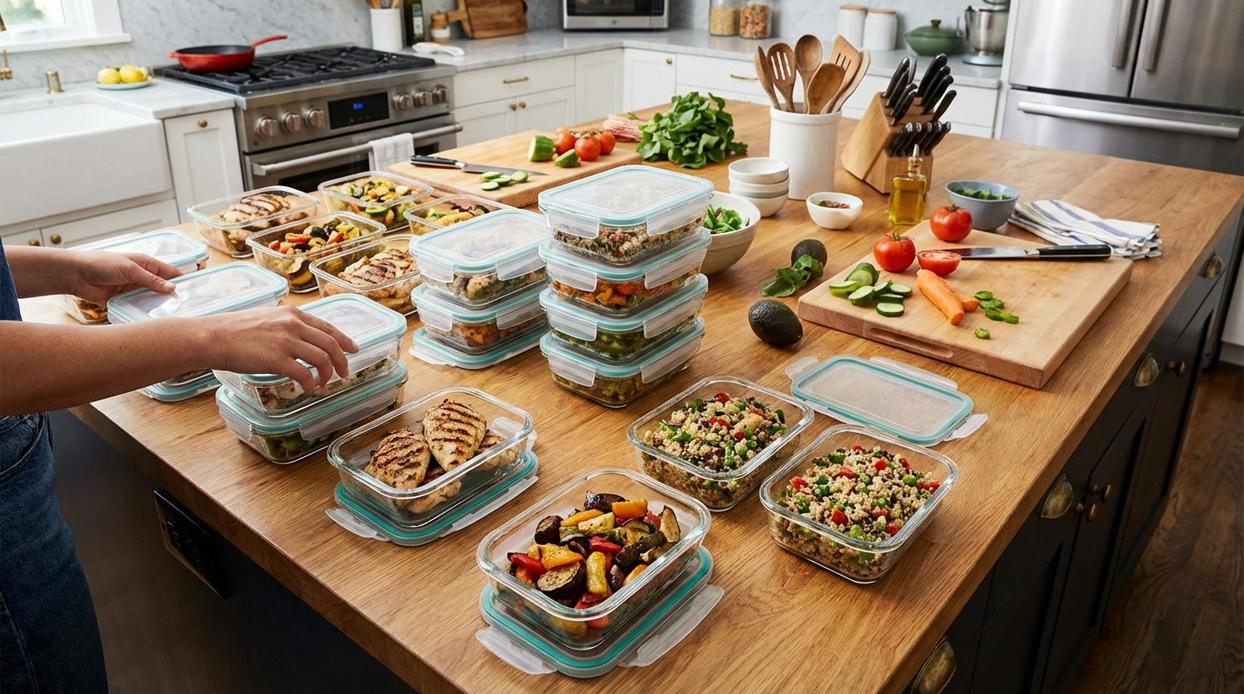
If weeknight cooking feels like running a marathon in oven mitts, it’s time to rethink your system. Efficiency in the kitchen isn’t about shortcuts—it’s about strategy.
Champion One-Pot and Sheet-Pan Meals
The formula is simple: combine a protein, vegetable, and starch on a single pan or in one pot. Roast chicken thighs with potatoes and broccoli together, letting the chicken fat baste the vegetables (that’s flavor synergy at work). This method encourages caramelization—the browning process that creates deep flavor—while slashing cleanup. Critics argue separate pans give you better texture control. True, sometimes. But for 90% of weeknight meals, the tradeoff favors simplicity.
Leverage Your Appliances
Modern tools are culinary cheat codes. A pressure cooker uses high-pressure steam to break down connective tissue fast, turning tough beef chuck tender in under an hour. An air fryer circulates hot air rapidly for crisp textures without deep frying. A food processor shreds carrots or blitzes pesto in seconds (goodbye, sore wrists). Some purists say gadgets dilute “real cooking.” I’d argue they expand it.
Master “Flavor Bombing”
Flavor bombing means adding concentrated umami-rich ingredients—like tomato paste, miso, or anchovies—to mimic long-simmered depth. Umami, the savory “fifth taste,” intensifies dishes instantly. A spoonful of miso in soup can taste like hours of work.
Implement the “Clean As You Go” Rule
Wash knives while onions sauté. Wipe counters during boiling. This habit alone rivals most meal prep time saving tips.
Prediction: As kitchens get smarter, expect multi-function appliances to merge (think pressure-air-fryer hybrids). Speculation, yes—but efficiency is clearly the future of home cooking.
From Kitchen Chore to Creative Flow
Let’s bring it home. The three pillars of stress-free cooking are simple: strategic planning, batch prepping key components, and smart cooking techniques. Strategic planning means deciding in advance what you’ll eat (so 6 p.m. panic disappears). Batch prepping involves cooking versatile staples—like grains, roasted vegetables, or proteins—once and using them in multiple meals. Smart techniques, such as sheet-pan roasting or one-pot dinners, minimize cleanup while maximizing flavor.
As a result, these habits directly eliminate weeknight dinner stress. Instead of scrambling for takeout menus, you’re assembling a flavorful bowl in minutes. Instead of juggling five pots, you’re sliding one tray into the oven. That’s more time back in your evening—and more mental energy for what actually matters.
And here’s the real win: cooking shifts from obligation to creativity. When the basics are handled, you can experiment with global spices, bold sauces, and unexpected pairings (suddenly, Tuesday feels like a food festival). Even small meal prep time saving tips compound into freedom over time.
So here’s your move: pick just one strategy this week. Batch-cook a grain. Try a sheet-pan dinner. Experience how one small shift transforms your entire routine.
Bring Global Flavors Into Your Kitchen Today
You came here looking for practical, exciting ways to elevate your cooking with global flavors—and now you have them. From international fusion ideas to smart technique hacks and meal prep time saving tips, you’re equipped to make your kitchen more efficient, creative, and flavorful.
No more boring weeknight dinners. No more guessing how to blend spices or balance bold ingredients. The frustration of repetitive meals and time-consuming prep stops here.
Now it’s your move.
Start by choosing one new global recipe to try this week. Prep your ingredients in advance, experiment with one new spice blend, and apply the techniques you’ve just learned. Small changes can completely transform your meals.
If you’re ready to simplify cooking while expanding your flavor horizons, explore more globally inspired recipes and kitchen-tested strategies today. Thousands of home cooks are already upgrading their meals with proven, easy-to-follow guidance—join them and turn every dish into a world-class experience.