Ever walked into a kitchen and been hit by the deep, comforting aroma of something amazing simmering away? That smell makes you want to sit down and dig in, doesn’t it? But here’s the thing (too) many home cooks stick to one method (like a Crock-Pot) and miss out on a world of textures and tastes.
I’ve spent years diving into global cooking traditions. I’m talking about actual, hands-on experimenting to find the best techniques. This isn’t just random internet advice.
What you’ll get here is a clear, practical guide to various slow cooking techniques. From classic Western methods to time-honored global traditions, I’ll show you how to create dishes that are as tender as they are flavorful. Understanding the right method for the right dish is key.
Ready to take your cooking to the next level? Let’s get started.
The Delicious Science: Why Low and Slow Creates Magic
Ever wondered why slow cooking techniques are such a game-changer? I’ll tell you: it’s all about transformation. Tough, cheap cuts of meat become luxurious bites with time and patience.
It sounds like magic, but it’s science. When you cook slowly, collagen in the meat breaks down into gelatin. This process gives you that unctuous, silky, melt-in-your-mouth texture.
It’s basically a miracle in a pot. And let’s be honest, isn’t that what we all crave?
Now, about flavor. Slow, gentle heat lets spices and aromatics do a waltz. It’s like a long, detailed dance where every ingredient gets a chance to shine.
High-heat cooking, like grilling secrets juicy meats, can sear and brown, which is great for burgers. But it can’t offer the deep, layered flavors you get from hours in a slow cooker.
The flavors meld in a way that’s impossible to rush. Patience is your best friend here. Think of it like a slow-brewing romance.
You can’t experience the depth in a flash. So next time you’re tempted to turn up the heat for speed, remember that some things are worth the wait. Slow cooking: it’s more than a method; it’s pure culinary alchemy.
Mastering the Icons: The Slow Cooker & The Dutch Oven
The slow cooker is the ultimate “set it and forget it” tool. In a world where time is gold, it’s a lifesaver. You toss in your ingredients, go about your day, and return to a meal that feels like it cooked itself.
But it’s not magic. You’ve gotta know the tricks. First, always brown your meat before it hits the pot.
This step is key for that deep flavor we all crave. And don’t drown your food. Too much liquid waters down everything.
Add fresh herbs at the end; they keep the dish lively. If you’re looking to spice things up, try a Korean Gochujang Pulled Pork. It’s a slow cooker star.
Oh, and for more tips, check out these 10 must know tips for smarter.
Now, let’s talk about the Dutch oven. It’s the versatile workhorse every kitchen needs. Unlike the slow cooker, it’s not just about convenience.
It’s about control. The heavy construction gives you even heat distribution, which is perfect for building flavors. You can sear, braise, stew (all) in the same pot.
That’s where you create the fond, the little bits that add so much to your dish. It’s like a symphony of taste. Think about making a classic French Coq au Vin.
It’s not just a dish; it’s an experience. Or go Italian with a beef short rib ragu. The flavors, the aromas, it’s what makes slow cooking techniques worth mastering.
So, which one should you use? It depends. If you’re in a rush, the slow cooker is your best friend.
But if you want to savor the process, get that Dutch oven on the stove. Both have their place. Both deserve a spot in your kitchen.
Earthenware: The Slow Cooking Secret
Let’s talk about ancient slow cooking techniques. They’ve been around forever, for good reason. Take the Moroccan Tagine.
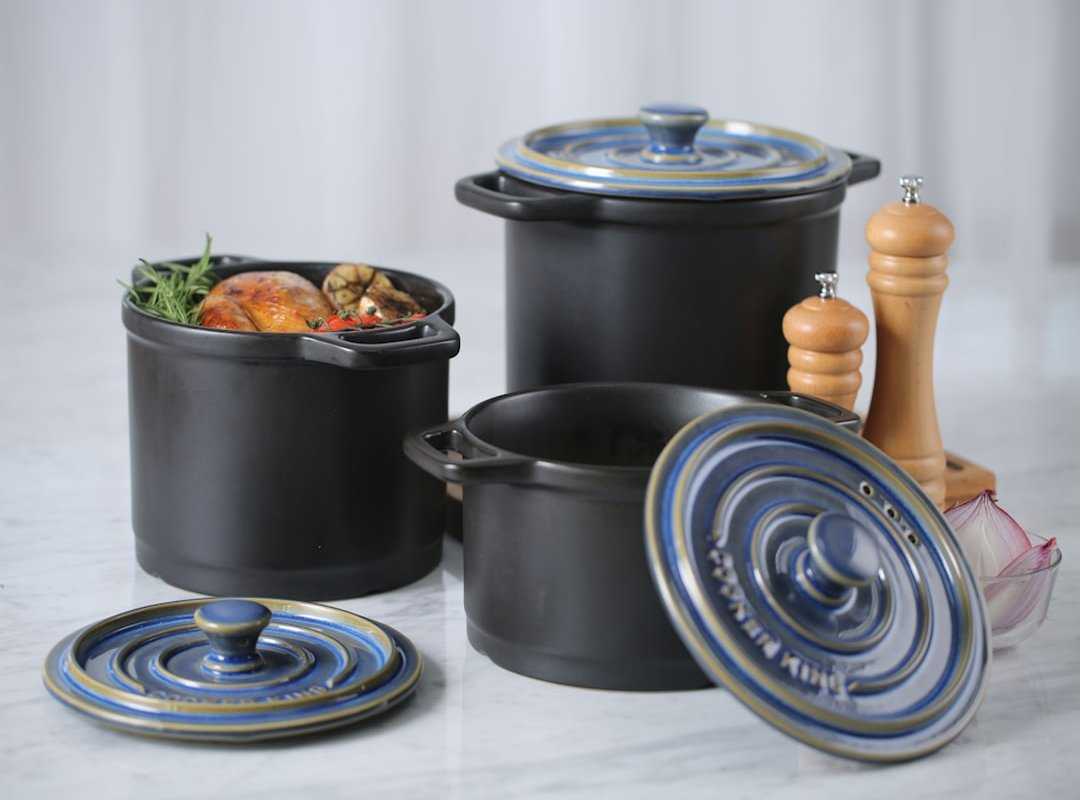
It’s not just a pot; it’s a work of art. The unique conical shape isn’t just for show. It traps steam, which condenses and bastes the food.
You end up with moist results, and you barely need any liquid. Physics at its finest.
Imagine a classic Lamb Tagine with apricots and almonds. It’s a festival of flavors. Sweet apricots mingle with savory lamb, while almonds add a crunch.
The whole dish simmers away under that conical lid, turning simple ingredients into a masterpiece. If you haven’t tried it, you’re missing out.
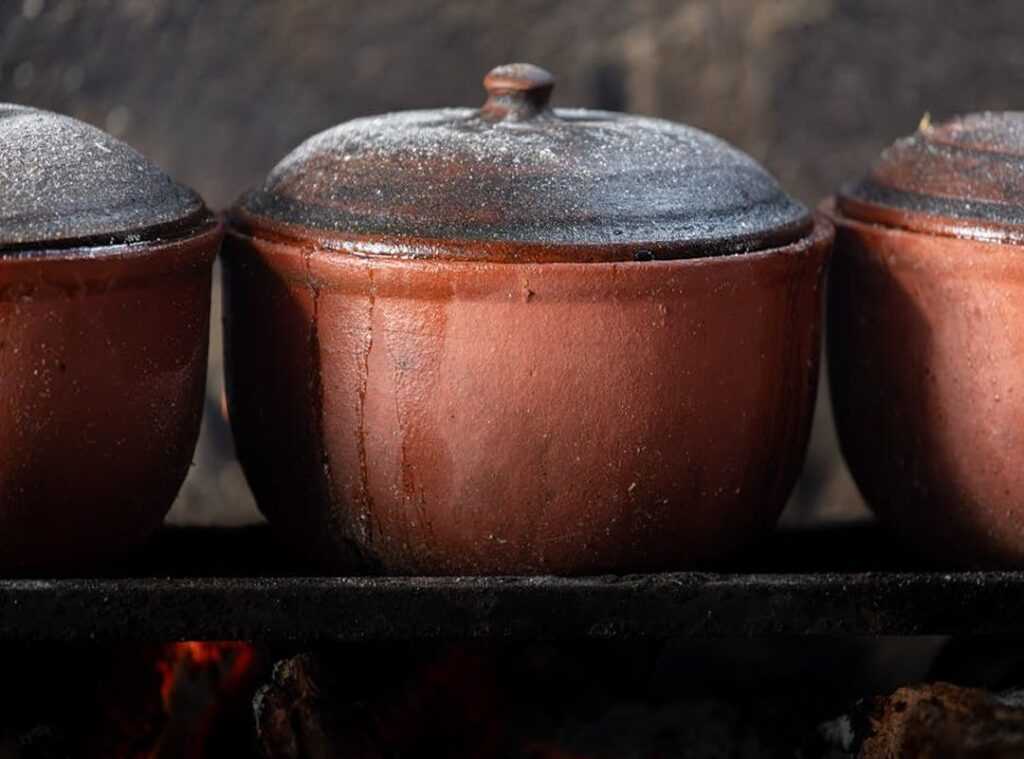
Now, let’s shift gears to clay pot cooking. Ever heard of a Romertopf or Chinese sand pot? They’re magic.
You soak the pot in water before cooking. This creates a steamy environment in the oven, which does wonders for the food. It’s like creating a mini sauna for your meal.
Clay pots add an earthy flavor that’s unique. You can’t get that anywhere else. Picture a whole chicken roasted with lemon and herbs in a clay pot.
The result? Succulent, fall-off-the-bone meat. It’s the kind of meal that makes you wonder why you ever used anything else.
Here’s a tip: don’t be afraid to experiment with different ingredients in clay pots. They can handle it. And if you’re into baking, you can even bake bread like pro using these techniques.
Trust me, it’s worth it.
So, why does all this matter? Because these slow cooking techniques transform simple dishes into something extraordinary. They’re not just about the food.
They’re about the experience. The anticipation as the aroma fills your kitchen, the satisfaction of a meal well-cooked. It’s indulgent, sure, but sometimes indulgence is exactly what you need.
Plus, you’ll impress anyone lucky enough to join you for dinner. That’s the power of earthenware.
The Modern Frontier: Precision and Pressure in Slow Cooking
Let’s talk about Sous Vide. It’s not some fancy chef’s secret. It’s simply cooking in a precise temperature-controlled water bath.
Why bother? Because it gives you perfect results every time. Imagine a steak, medium-rare from edge to edge.
Not just the middle. It’s magic, really. And it’s not just for quick meals.
Try a 72-hour short rib. You’ll get tenderness that melts your soul.
Then there’s the modern pressure cooker. Think of it as the “fast” side of slow cooking techniques. It’s like having a time machine in your kitchen.
You get the tenderness of slow-cooked dishes but in a fraction of the time. Take Lentil and Sausage Soup. You’d swear it simmered all day.
But no. It’s ready in under an hour. That’s the beauty of pressure cooking.
These methods redefine slow cooking. They merge precision with speed. It’s like having the best of both worlds, without waiting forever.
Why choose one when you can have both? That’s what modern cooking is about. Efficiency without sacrificing flavor.
It’s time to embrace this culinary evolution. After all, who doesn’t want more flavor in less time?
Open up Flavor with Every Slow-Cooked Bite
You’re not stuck with your slow cooker. You’ve got a passport to culinary worlds (tagines,) sous vide, and more. Ever feel limited in the kitchen?
You won’t anymore. Each of these slow cooking techniques offers a unique pathway to flavor that’s deeply satisfying. Now, it’s up to you.
Choose one new method. Find a recipe that excites you this week. Discover the magic.
You’ll realize slow cooking isn’t just a technique; it’s an exploration. Want incredible taste? Jalbiteworldfood.com.co can guide you there.
Ready to redefine your meals? Dive in now, and savor every moment.

 There is a specific skill involved in explaining something clearly — one that is completely separate from actually knowing the subject. Mark Bowensouler has both. They has spent years working with world flavor inspirations in a hands-on capacity, and an equal amount of time figuring out how to translate that experience into writing that people with different backgrounds can actually absorb and use.
Mark tends to approach complex subjects — World Flavor Inspirations, Culinary Pulse, Cooking Technique Hacks being good examples — by starting with what the reader already knows, then building outward from there rather than dropping them in the deep end. It sounds like a small thing. In practice it makes a significant difference in whether someone finishes the article or abandons it halfway through. They is also good at knowing when to stop — a surprisingly underrated skill. Some writers bury useful information under so many caveats and qualifications that the point disappears. Mark knows where the point is and gets there without too many detours.
The practical effect of all this is that people who read Mark's work tend to come away actually capable of doing something with it. Not just vaguely informed — actually capable. For a writer working in world flavor inspirations, that is probably the best possible outcome, and it's the standard Mark holds they's own work to.
There is a specific skill involved in explaining something clearly — one that is completely separate from actually knowing the subject. Mark Bowensouler has both. They has spent years working with world flavor inspirations in a hands-on capacity, and an equal amount of time figuring out how to translate that experience into writing that people with different backgrounds can actually absorb and use.
Mark tends to approach complex subjects — World Flavor Inspirations, Culinary Pulse, Cooking Technique Hacks being good examples — by starting with what the reader already knows, then building outward from there rather than dropping them in the deep end. It sounds like a small thing. In practice it makes a significant difference in whether someone finishes the article or abandons it halfway through. They is also good at knowing when to stop — a surprisingly underrated skill. Some writers bury useful information under so many caveats and qualifications that the point disappears. Mark knows where the point is and gets there without too many detours.
The practical effect of all this is that people who read Mark's work tend to come away actually capable of doing something with it. Not just vaguely informed — actually capable. For a writer working in world flavor inspirations, that is probably the best possible outcome, and it's the standard Mark holds they's own work to.