Ever spent ages chopping fresh vegetables only to end up with a sad, steamed mess in the pan? It’s frustrating. I’ve been there too.
But I didn’t stay there. This guide is going to change that.
I’ve spent years in both home and professional kitchens, learning the real secrets behind perfectly sautéed food. It’s not just about the steps; it’s understanding why each step matters. Knowing this turns cooking from a chore into a pleasure.
And let’s face it, mastering sautéing isn’t just about one meal. It’s about transforming your whole cooking game.
By the end, you’ll grasp the simple yet effective saute technique tips that chefs swear by. You’ll feel confident in the kitchen, ready to create dishes that aren’t just edible but memorable. Trust me, you’ll be amazed at what you can do.
Sautéing: The Jumping Jack of Cooking
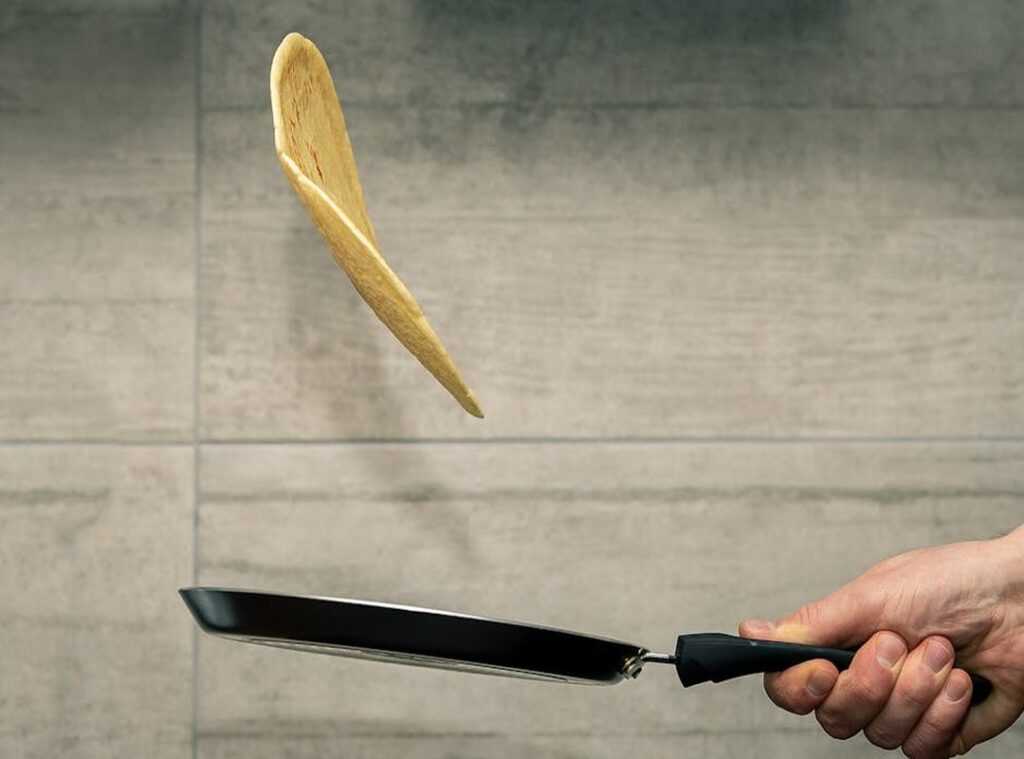
Sautéing isn’t just tossing food around in a pan. It’s a French term, from “sauter,” meaning “to jump.” Sounds fancy, but it’s all about the food jumping in the pan. You might wonder, how does this differ from frying or searing?
Simple: less oil than frying, smaller pieces than searing, and no lid like steaming.
The science here is straightforward. High heat and a bit of fat work together to brown the food, thanks to the Maillard reaction. you get those deep, savory flavors. Ever notice how sautéed onions taste so much better?
That’s why.
Preparation is key. Sautéing is fast, so have everything ready to go before you start. Don’t waste time chopping while your pan’s heating up.
You’ll end up with burnt butter and sad veggies.
For more on quick cooking, check out these Quick Easy Stir Fry Tips. It’s a great way to expand your sauté technique tips.
Remember, sautéing isn’t about drowning your food in oil or keeping it under a lid. It’s about letting the ingredients jump and brown perfectly. So grab your pan, crank up the heat, and let those veggies leap.
The Sautéing Trinity: Your Pan, Your Fat, and Your Fire
When it comes to getting the perfect sauté, your pan is your best friend. You need a material that holds heat well. Stainless steel or cast iron are your go-tos.
Why? They keep the heat consistent, which is key for that beautiful browning.
A wide surface area is non-negotiable (really, it’s not). It prevents steaming, which can turn your veggies into a soggy mess. Non-stick pans?
They usually can’t take the heat. Plus, they miss out on developing a good fond (those) browned bits that make sauces divine.
Now, let’s talk fats. The concept of ‘smoke point’ might sound fancy, but it’s simple. It’s the temperature at which an oil starts to smoke and break down.
For high-heat cooking, you want oils with a high smoke point. Grapeseed, avocado, or canola oils are solid choices.
Butter’s great for flavor but burns fast. Use it at the end or try clarified butter, which has a higher smoke point. Know your fats, and you’re halfway to mastering the sauté.
Gauging heat is an art (and science). The ‘shimmer test’ is one surefire way. When the oil shimmers like a mirage, you’re good to go.
Or use the ‘water drop test’: a drop of water should skitter across the pan. These tricks make sure your pan is ready for action.
Incorporate these saute technique tips into your routine, and you’re set for success. Cooking’s about skill, but also about knowing your tools. Get it right, and your sauté game will be unstoppable.
Master the Sauté: Four Golden Rules
Sautéing is a dance of speed and precision. Rule 1: Prepare Everything First (Mise en Place). You ever tried to chop onions while the pan’s sizzling away? It’s chaos. Have everything ready before you start.
Trust me, it’s like a well-rehearsed play.
Rule 2: Don’t Crowd the Pan. This might just be the most important rule of them all. Imagine your veggies as people at a party. They need space to mingle. Or in this case, brown. If they’re too cozy, they’ll steam and turn mushy. Cook in batches if you have to. Your food will thank you.
On to Rule 3: Keep Ingredients a Consistent Size. Ever bitten into something where one piece is perfect, but the next is raw? That’s because they weren’t cut uniformly. Keep everything the same size, like all ½-inch dice.
It’s one of those saute technique tips that’s non-negotiable.
And finally, Rule 4: Pat Your Food Dry. Excess moisture is the foe of a good sauté. Wet food just won’t brown properly. Give your veggies and proteins a good pat down with a paper towel before they hit the hot pan.
Oh, and if you’re into mastering kitchen skills, check out how to bake bread like pro. It’s not just about the sauté, right? Every technique builds on another.
So, get your mise en place ready, keep that pan spacious, dice evenly, and dry those ingredients. Cooking’s more art than science, but these rules? They’re golden.
Troubleshooting Sautéing: Fix Those Common Mistakes
Ever wonder why your sautéed food ends up soggy and gray? It’s all about heat. If you’re cooking on low heat or your pan is crowded, you’re basically steaming your food.
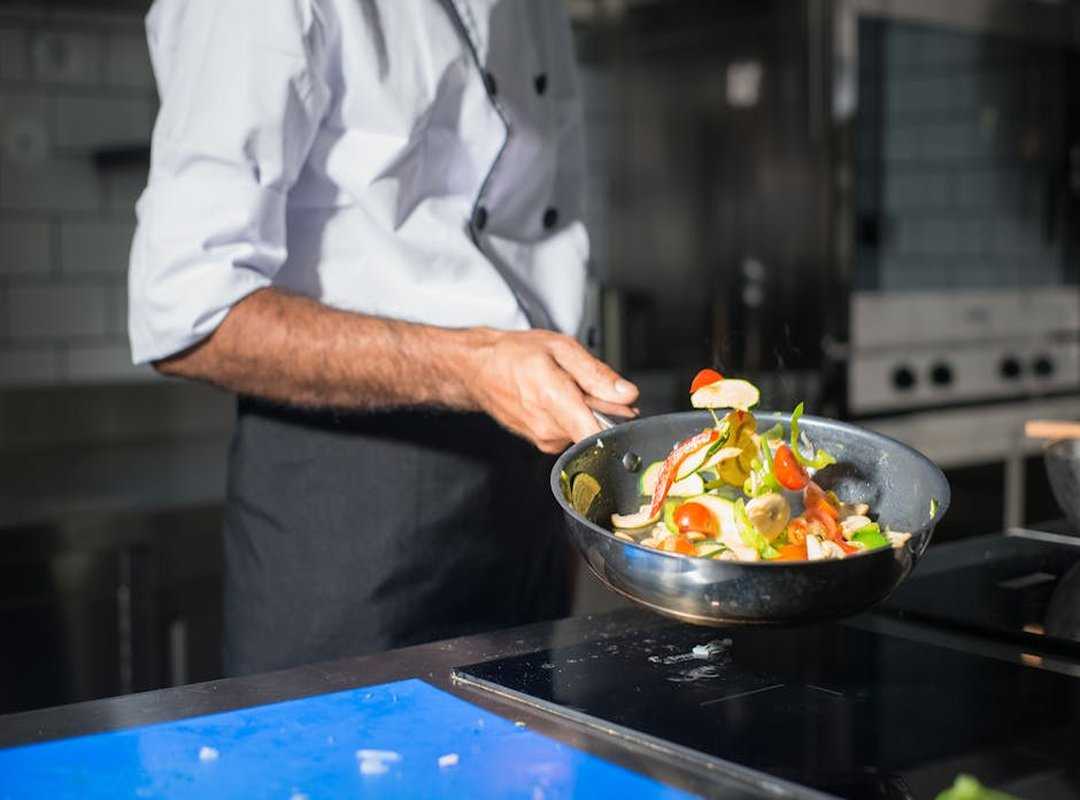
Raise the heat and cook in smaller batches. Trust me, this will make a world of difference.
Burnt garlic and herbs are a classic mistake. They’re delicate, which means they burn fast. Add them in the last minute of cooking to keep their flavor intact.
It’s like adding a cherry on top, but for savory dishes.
Stainless steel pans can be your worst enemy if you don’t use them right. Everything sticks, and you’re left with a mess. Here’s the trick: get your pan hot before adding oil.
It’s the “hot pan, cold oil” mantra. Let the oil shimmer, then toss in your ingredients. The results?
Golden and delicious.
Now, if your food is burnt outside but raw inside, you’re cranking the heat too high. This is a common blunder. Lower the heat a bit or cut your ingredients smaller.
You’ll get even cooking and avoid that crispy-outside, raw-inside disaster.
Want more saute technique tips? Master these basics, and you’ll be sautéing like a pro. It’s all about understanding your pan and heat.
Once you nail these techniques, it’s a whole new ball game in the kitchen.
Level Up: Adding Global Flavors and a Pan Sauce
to the magic that happens after the main sauté is done. Ever wonder how chefs get those deep flavors? It’s all in the pan sauce.
Once you’ve sautéed your main ingredients, the real fun begins. You pour a liquid like wine, stock, or even lemon juice into the hot pan. This deglazing lifts those flavorful browned bits (fond) stuck to the pan.
Think about it. You could turn that simple dish into an Asian masterpiece by deglazing with soy sauce and rice vinegar, then adding ginger. Or go Mediterranean with white wine, parsley, and lemon.
The world is your oyster when you know this trick.
Here’s a pro tip: start with hardier spices early. Add fresh herbs and delicate sauces right at the end to keep them tasting bright. Does this sound complicated?
It’s not. It’s just about knowing when to add what.
And honestly, experimenting is half the fun. You can explore world cuisines using this saute technique tips. Why not try something new tonight?
Maybe a dash of soy and a hint of ginger? The possibilities are endless and ever so delicious.
Transform Your Dinner Game Tonight
I know the frustration of soggy food. We’ve all been there. But you don’t have to live with it.
It’s time to raise your cooking by respecting heat, space, and preparation. It’s not complicated, right? With these saute technique tips, you’re set to transform your meals.
Ready to make your taste buds happy? Grab a vegetable from your fridge (mushrooms,) zucchini, or bell peppers. Try these methods tonight.
You won’t regret it. Your next delicious meal starts now. Don’t just take my word for it.
Experience the difference. Cook with confidence. Your taste buds will thank you.