

Achieving Perfect Texture: Emulsification and Reduction
To elevate your culinary creations at home, mastering the art of sauce-making can transform simple dishes into restaurant-quality experiences, making it the perfect complement to the foundational techniques you’ll discover in our article on Latin American Cooking Basics for Beginners.
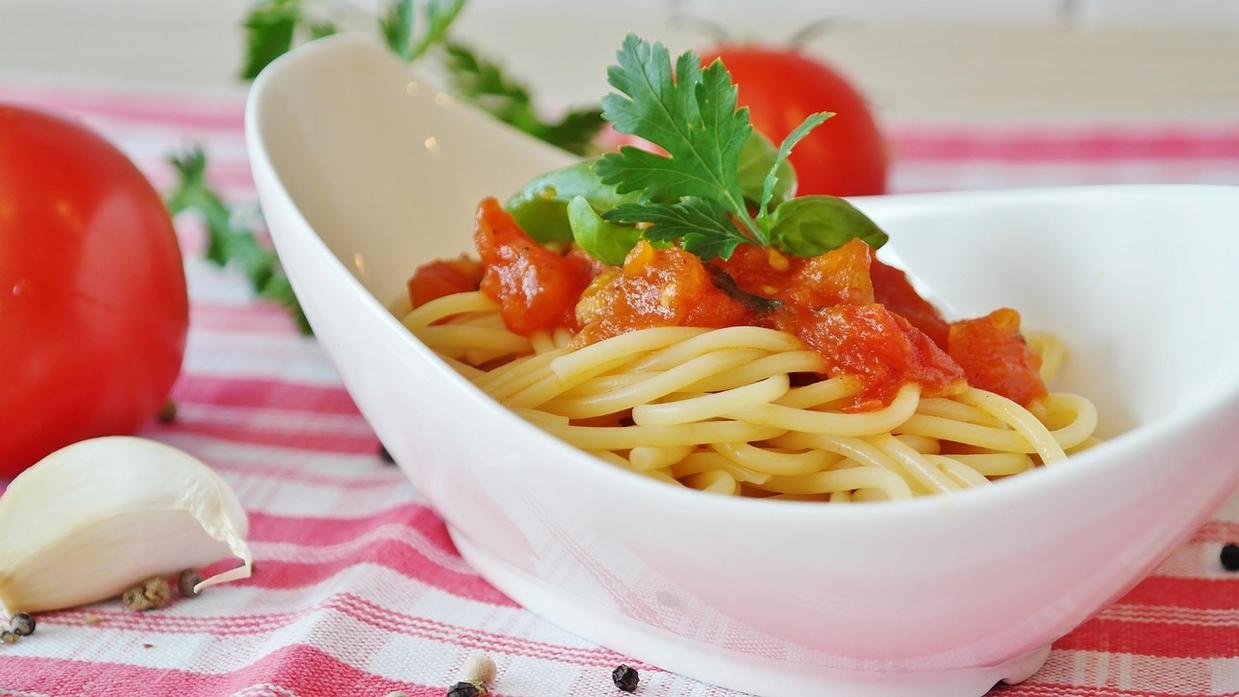
Let me start with a mistake. The first time I made vinaigrette, I dumped the oil in all at once. It split instantly. What I learned the hard way is this: an emulsion—the suspension of one liquid inside another, like oil in vinegar—depends on patience. Without it, you just get a slick puddle (and a bruised ego).
To build stability, add fat slowly while whisking vigorously. This breaks the oil or butter into tiny droplets that stay suspended in the base liquid. Aioli, hollandaise, even a simple pan sauce rely on this principle. Some argue you can just shake everything in a jar and call it done. Sometimes that works. But if you want consistency every time, controlled whisking wins.
Then there’s reduction. By simmering a sauce, water evaporates, naturally thickening it and concentrating flavor. Compare that to a cornstarch slurry: quick, yes—but it can mute flavor and create a pasty texture (ask anyone who’s over-thickened gravy at Thanksgiving). According to the Culinary Institute of America, reduction intensifies both aroma and taste through concentration.
Finally, finish with fat. The French call it monter au beurre—swirling in cold butter off heat for gloss and silkiness. Pro tip: keep the butter chilled so it emulsifies without breaking. It’s one of those restaurant quality sauce techniques that turns “pretty good” into unforgettable.
And as you refine your kitchen skills, don’t forget practical steps like these https://jalbiteworldfood.com.co/smart-kitchen-hacks-to-reduce-food-waste/ smart kitchen hacks to reduce food waste—they’ll save more than just your sauce.

 Ismaeler Lennoncier writes the kind of world flavor inspirations content that people actually send to each other. Not because it's flashy or controversial, but because it's the sort of thing where you read it and immediately think of three people who need to see it. Ismaeler has a talent for identifying the questions that a lot of people have but haven't quite figured out how to articulate yet — and then answering them properly.
They covers a lot of ground: World Flavor Inspirations, Cooking Technique Hacks, Culinary Pulse, and plenty of adjacent territory that doesn't always get treated with the same seriousness. The consistency across all of it is a certain kind of respect for the reader. Ismaeler doesn't assume people are stupid, and they doesn't assume they know everything either. They writes for someone who is genuinely trying to figure something out — because that's usually who's actually reading. That assumption shapes everything from how they structures an explanation to how much background they includes before getting to the point.
Beyond the practical stuff, there's something in Ismaeler's writing that reflects a real investment in the subject — not performed enthusiasm, but the kind of sustained interest that produces insight over time. They has been paying attention to world flavor inspirations long enough that they notices things a more casual observer would miss. That depth shows up in the work in ways that are hard to fake.
Ismaeler Lennoncier writes the kind of world flavor inspirations content that people actually send to each other. Not because it's flashy or controversial, but because it's the sort of thing where you read it and immediately think of three people who need to see it. Ismaeler has a talent for identifying the questions that a lot of people have but haven't quite figured out how to articulate yet — and then answering them properly.
They covers a lot of ground: World Flavor Inspirations, Cooking Technique Hacks, Culinary Pulse, and plenty of adjacent territory that doesn't always get treated with the same seriousness. The consistency across all of it is a certain kind of respect for the reader. Ismaeler doesn't assume people are stupid, and they doesn't assume they know everything either. They writes for someone who is genuinely trying to figure something out — because that's usually who's actually reading. That assumption shapes everything from how they structures an explanation to how much background they includes before getting to the point.
Beyond the practical stuff, there's something in Ismaeler's writing that reflects a real investment in the subject — not performed enthusiasm, but the kind of sustained interest that produces insight over time. They has been paying attention to world flavor inspirations long enough that they notices things a more casual observer would miss. That depth shows up in the work in ways that are hard to fake.