If you’re searching for ways to bring more depth, authenticity, and creativity into your cooking, understanding seasonal global ingredients is the perfect place to start. This article is designed to help you discover what’s in season across different regions, how those ingredients shape traditional dishes, and how you can incorporate them into your own kitchen with confidence.
We break down essential flavors, practical cooking techniques, and smart substitutions so you can recreate international favorites or craft bold fusion meals without guesswork. To ensure accuracy and relevance, we draw on culinary research, traditional preparation methods, and insights from experienced chefs who specialize in regional cuisines.
By the end, you’ll know which seasonal global ingredients to look for, how to use them effectively, and how to transform everyday meals into vibrant, world-inspired dishes that truly capture the spirit of global cooking.
The Global Kitchen, The Local Garden
A smart cook knows seasonality is flavor’s secret. However, many believe authentic global dishes require imported ingredients. Not necessarily. Instead, start with what thrives nearby, then layer technique and spice.
- Visit your farmers’ market weekly and ask what’s at peak; for example, ripe tomatoes can anchor a rustic shakshuka.
- Swap traditional greens with local ones in Thai curries, adjusting heat and acid.
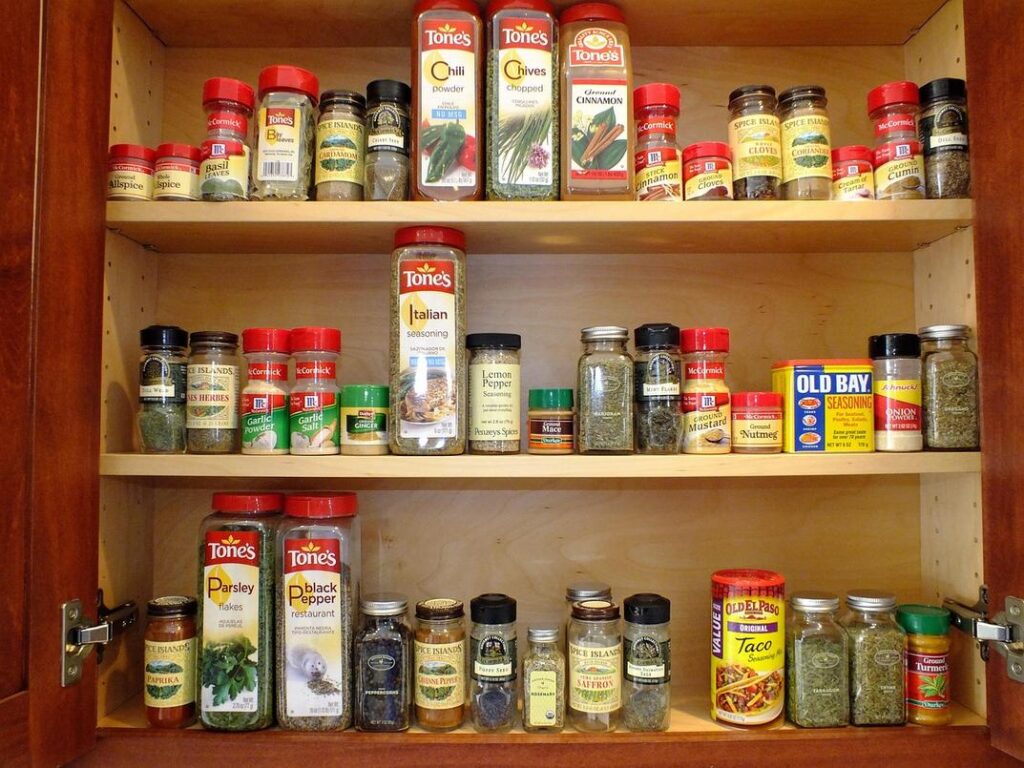
- Finally, build a pantry of spices so seasonal global ingredients feel intentional.
In practice, this means roasting winter squash with garam masala or folding spring herbs into handmade pasta.
Why “Local-Global” is the Ultimate Flavor Hack
The smartest way to cook global food isn’t to import everything—it’s to think local first, global always.
When produce is harvested at peak ripeness and eaten close to where it’s grown, it retains maximum flavor, texture, and nutritional value. A sun-ripened local tomato in August has more in common with one in Naples than a pale winter tomato flown 2,000 miles (and losing nutrients over time, per USDA post-harvest data). If you want bold world cuisine, start with ingredients that actually taste like something.
Some argue authentic international dishes require imported products. True—certain spices or cheeses matter. But flavor fundamentals? Fresh herbs, greens, seafood, grains—those shine brightest when local.
Here’s what I recommend:
- Shop farmers’ markets weekly and ask what’s at peak.
- Build global dishes around what’s abundant, not what’s out of season.
- Experiment with seasonal global ingredients to create fusion naturally.
Limitation sparks creativity. If Thai basil isn’t available, try local sweet basil with lime zest. No Italian cavolo nero? Use regional kale. Constraint breeds innovation (and some of the best kitchen breakthroughs).
It also makes economic and environmental sense. Supporting local farms strengthens communities and reduces transport emissions (FAO highlights food miles as a climate factor).
Pro tip: Join a CSA to deepen your connection to what’s growing.
Global flavors. Local roots. That’s the real hack.
A Four-Season Framework for Your Global Pantry
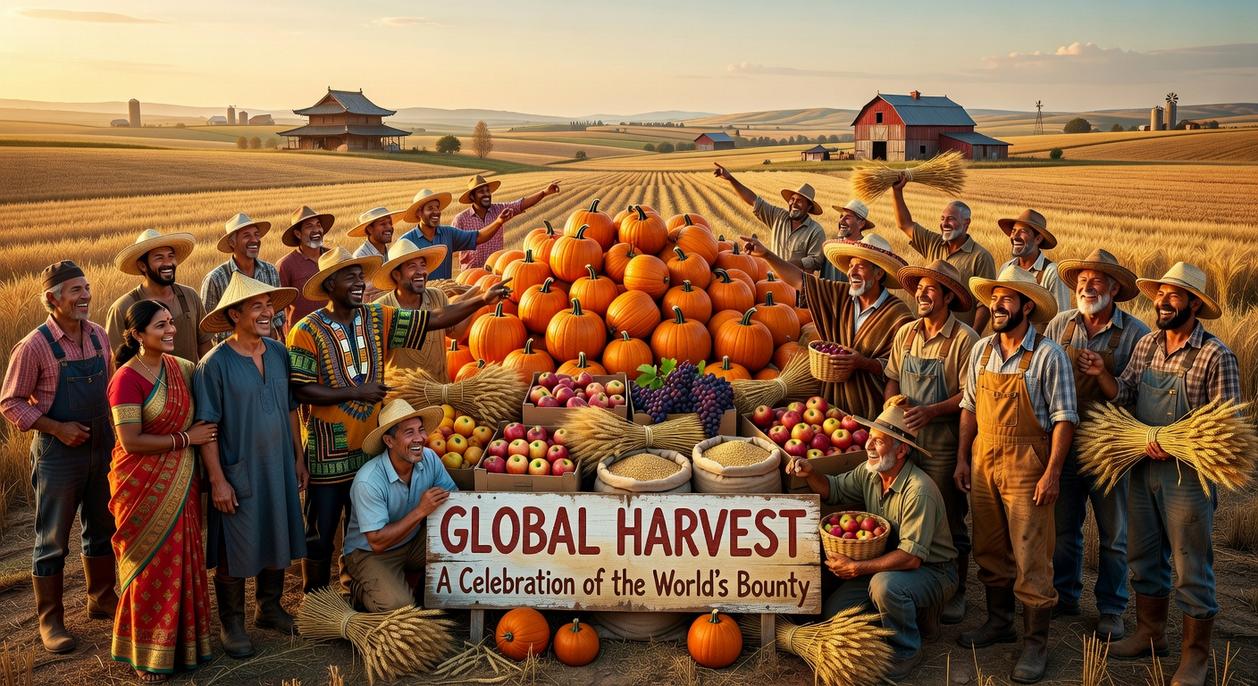
Cooking seasonally doesn’t mean limiting your flavors. In fact, it does the opposite. By using seasonal global ingredients, you can align fresh produce with international techniques that make every month feel like a culinary passport.
Spring’s Global Potential
As winter fades, tender greens, asparagus, radishes, and herbs take center stage. For example, asparagus risotto transforms a simple stalk into a creamy Italian comfort dish (stir constantly—your patience becomes texture). Meanwhile, a French vinaigrette tossed with radish and herbs delivers brightness that feels almost cinematic—think a countryside picnic scene. You could also fold mint and lettuce into Vietnamese summer rolls for a crisp, no-cook option. Some argue spring produce is too delicate for bold cuisine. However, delicacy is the point: quick cooking preserves flavor and nutrients (Harvard T.H. Chan School of Public Health notes that lighter cooking methods help retain water-soluble vitamins).
Summer’s Bold Flavors
Then comes abundance: tomatoes, zucchini, corn, and berries. A fresh corn and tomato salsa fits effortlessly into Mexican cuisine, while grilled zucchini with herbs channels Mediterranean ease. Spanish gazpacho, blended from ripe tomatoes, proves that heat doesn’t require heat. Critics sometimes say summer dishes lack depth. Yet peak-season produce provides natural sweetness and acidity—no heavy sauces required.
Autumn’s Hearty Harvest
As temperatures drop, root vegetables, squash, and apples shine. Butternut squash curry draws from Indian spice traditions, layering warmth and complexity. Sweet potato and coconut soup nods to Thai kitchens, balancing sweet and savory. Roasted root vegetables with apple echo German-inspired comfort. Pro tip: roast at high heat to caramelize natural sugars for deeper flavor.
Winter’s Rich Foundations
Finally, potatoes, kale, cabbage, and winter citrus anchor cold-weather meals. Irish stews stretch humble roots into sustaining bowls. Japanese nabe with winter greens turns simmering broth into ritual. Moroccan tagines brighten with preserved local lemons. If you’re curious how culinary ideas travel so quickly today, explore how social media is transforming global food culture.
Season by season, your pantry becomes global—without losing its local soul.
Technique is Everything: Making Local Ingredients Shine
Great cooking isn’t about hunting down rare imports. It’s about knowing how to adapt with confidence—and sometimes admitting you’re improvising a little.
The Art of the Swap
Not every kitchen has galangal on standby. I’ll be honest: even seasoned cooks debate how close a substitute really gets. But here’s a practical rule—match flavor profile and texture.
- No galangal? Use fresh local ginger with a squeeze of lime.
- No Thai basil? Try Italian basil plus a touch of fresh mint.
- No pomegranate molasses? A reduction of cranberry juice and lemon can mimic that sweet-tart depth.
Are these perfect swaps? Not always. But they respect the spirit of the dish (and your grocery budget).
Mastering Global Sauces
Sometimes the magic isn’t the vegetable—it’s the sauce. A roasted carrot transforms with North African chermoula (a bright herb sauce with garlic, cumin, and citrus). Humble cabbage becomes bold when fermented into kimchi, a Korean staple built on salt, chili, and time.
I can’t promise authenticity purists won’t object. Still, technique-driven flavor layering works across cultures. One well-balanced sauce can elevate seasonal global ingredients into something unforgettable.
Temperature and Texture
High-heat wok frying creates smoky “wok hei” (breath of the wok), giving snap to green beans or peppers. Slow-braising coaxes silkiness from tougher root vegetables, much like a French stew.
Do local ingredients behave exactly like their traditional counterparts? Not always. Climate, soil, and freshness matter. But mastering heat, salt, acid, and timing matters more.
In the end, technique is your passport. The ingredients just need a good guide.
Last spring, I stood in my kitchen staring at a bundle of just-picked carrots from the farmers’ market, wondering how to make dinner feel less routine. That’s when it hit me: I didn’t need to hunt down hard-to-find spices or specialty imports. Instead, I could let those carrots become the base for a Moroccan-inspired roast with cumin and citrus. Suddenly, my “ordinary” meal tasted like travel.
Here’s the shift. You don’t have to choose between cooking local and cooking global. The real barrier—finding so-called exotic ingredients—often isn’t a barrier at all. Fresh, local produce is a blank canvas for any cuisine. When you pair it with seasonal global ingredients in your pantry, flavors come alive.
Some argue authenticity requires imported everything. I disagree. Authenticity is technique, balance, and intention (not a passport stamp).
So start small. This weekend, pick one beautiful vegetable and build an international dish around it. Your culinary journey starts now.
Bring Global Flavors Into Your Kitchen Today
You set out to explore global cuisine essentials, discover international fusion ideas, and finally feel confident experimenting with bold world flavors at home. Now you have the inspiration and practical techniques to make it happen.
Cooking the same meals on repeat gets boring fast. It’s frustrating to crave vibrant, authentic flavors but feel unsure where to start or how to combine ingredients without overcomplicating the dish. By using smart technique hacks, balancing spices properly, and experimenting with seasonal highlights like winter citrus, spring asparagus, summer mangoes, and autumn squash, you can transform everyday meals into globally inspired experiences.
The key is simple: take action. Start with one new cuisine this week. Try one fusion recipe. Swap a familiar spice for something bold and unexpected. Small shifts create exciting results.
If you’re ready to stop cooking on autopilot and start creating unforgettable, flavor-packed meals, explore more global recipes and technique guides now. Discover why passionate home cooks turn to us for trusted, easy-to-follow world flavor inspiration—and make your next dish your most exciting one yet.