
If you’re searching for simple ways to cook flavorful meals without piling up dishes, this guide to one pan cooking methods is exactly what you need. Home cooks everywhere are looking for practical techniques that save time, reduce cleanup, and still deliver bold, global flavors—and that’s precisely what this article provides.
We’ll walk you through essential strategies, smart ingredient pairings, and heat-control tips that turn a single pan into a powerhouse for weeknight dinners and impressive weekend meals alike. From layering flavors effectively to choosing the right pan for different cuisines, you’ll gain actionable insights you can use immediately.
Our approach is grounded in extensive research into international cooking techniques, culinary best practices, and tested kitchen methods to ensure reliable, results-driven guidance. By the end, you’ll understand not just how to cook in one pan—but how to do it with confidence, creativity, and world-inspired flavor.
That sinking feeling when you see a tower of greasy plates is enough to dull the aroma of garlic and thyme still hanging in the air. The promise is simple: master a handful of techniques and you can build deep, layered flavor in a single skillet. Years of testing global dishes have shown me that heat control, smart deglazing, and strategic layering turn chaos into control. Learn the fundamentals behind one pan cooking methods and you will hear the satisfying scrape of a wooden spoon, smell caramelized onions blooming, and taste complexity without the cleanup. Dinner feels lighter already tonight.
Choosing Your Champion: Why the Right Pan Matters
Not all pans are built the same—despite what minimalists (and tiny kitchens) might argue. While some insist a single skillet can handle everything, the truth is that one pan cooking methods succeed or fail based on your tool.
First, the Cast-Iron Skillet is the workhorse. Its heat retention (meaning it stays hot consistently) makes it ideal for pan-seared steak or cornbread. Moreover, it moves seamlessly from stovetop to oven.
On the other hand, the High-Sided Sauté Pan prevents splatters and holds sauces beautifully. So if you’re simmering pasta, curry, or a slow braise, those taller walls matter.
Meanwhile, the Non-Stick Skillet shines with delicate foods like eggs or fish. Cleanup is easy—however, avoid high heat and metal utensils (they’re coating killers).
| Pan Type | Best For | Key Benefit |
|———–|———-|————-|
| Cast-Iron | Steak, cornbread | Heat retention |
| Sauté Pan | Pasta, braises | Sauce capacity |
| Non-Stick | Eggs, fish | Easy release |
Technique 1: The Art of Layering Flavors
The first time I truly understood layering flavors, it was by accident. I was rushing a weeknight dinner, tempted to toss everything into the pan at once (we’ve all been there). Instead, I slowed down—and tasted the difference.
Step 1: The Sear
Start with high heat and patience. Searing protein or hearty vegetables triggers the Maillard reaction—a chemical reaction between amino acids and sugars that creates a browned crust and deep, savory flavor (Harold McGee, On Food and Cooking). Those browned bits stuck to the pan? That’s fond—concentrated flavor waiting to be unlocked.
Step 2: The Aromatic Base
Remove the protein, then sauté onions, garlic, or spices in the rendered fat. This step infuses the oil itself with flavor, creating what chefs call an aromatic base—a foundational layer that carries the dish. (Pro tip: add spices early to bloom them in fat for fuller flavor.)
Step 3: Deglazing
Pour in wine, broth, or vinegar to loosen the fond. This is deglazing—lifting caramelized bits into a rich, instant sauce.
Skeptics say this takes too long for one pan cooking methods. I disagree. Once you taste a Thai green curry built this way—or a Spanish sofrito deepened by fond—you’ll realize it’s not extra work. It’s edible storytelling.
Technique 2: The Stovetop-to-Oven Power Move
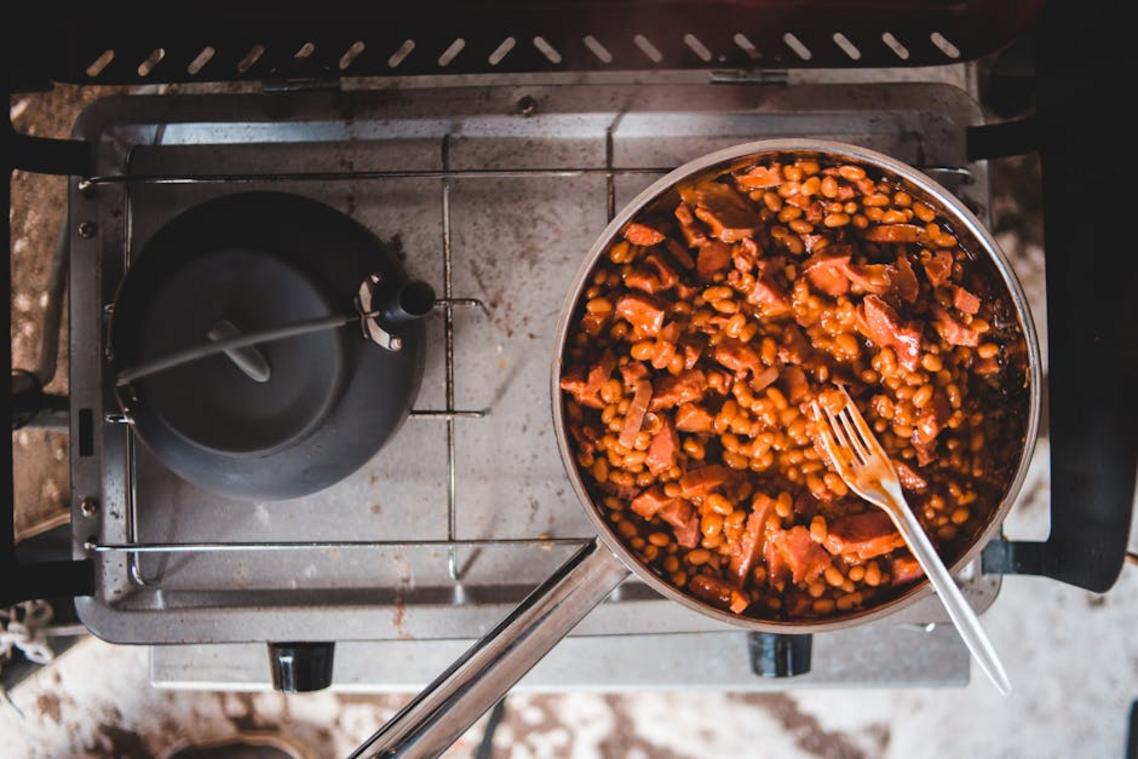
Back in 2019, after three months of testing weeknight dinners that either burned outside or stayed raw inside, one method consistently won: the stovetop-to-oven power move. It sounds simple, but it’s a game-changer for perfectly cooked proteins.
First, sear your protein—meaning you cook it quickly over high heat to form a browned crust—in an oven-safe pan. Think chicken thighs or pork chops sizzling until deeply golden. That crust isn’t just for looks; it’s the result of the Maillard reaction (a chemical process that creates complex flavor) (Science of Cooking, 2020).
Some argue searing “locks in juices.” Technically, it doesn’t seal them completely (Harold McGee, On Food and Cooking). However, it does build flavor and texture, which most home cooks care about more than lab precision.
Next, add vegetables around the protein and transfer the whole pan to a preheated oven. The oven’s ambient heat—steady, surrounding warmth—finishes cooking evenly without scorching the exterior. Meanwhile, the vegetables roast in the flavorful drippings (arguably the best part).
This works beautifully for chicken thighs with chorizo and olives, or salmon with miso-glazed root vegetables. It’s one of those one pan cooking methods that feels restaurant-level but weeknight-realistic.
Serve it alongside dishes inspired by these secrets to perfectly fluffy rice every time.
Pro tip: Let the protein rest five minutes before serving. Patience pays off.
Technique 3: The All-in-One Simmer and Steam
If I had to choose a forever favorite among one pan cooking methods, this would be it. It’s practical, flavorful, and quietly impressive (the kind of meal that makes people think you tried harder than you did).
Build the Base
Start by creating a sauce or broth directly in the pan. A tomato-garlic base, a coconut milk curry, or a gingery soy broth all work beautifully. This liquid becomes your cooking medium—meaning it transfers heat and flavor at the same time.
Nestle the Ingredients
Add quick-cooking ingredients—fish fillets, shrimp, tofu, spinach, or peas—straight into the simmer. They gently poach (a moist-heat method where food cooks in liquid below boiling) while soaking up flavor.
Cover and Cook
Covering traps steam, speeding up cooking and keeping everything tender. I think this step is underrated; steam is basically your invisible sous-chef.
| Dish | Flavor Base | Key Add-Ins |
|——|————-|————|
| Shakshuka | Tomato & spices | Eggs |
| Indian Curry | Coconut milk | Fish or paneer |
| Acqua Pazza | Tomato & white wine | White fish |
Some argue separate components give better texture. Sometimes, yes. But when balance matters more than crispness, this technique wins (and saves dishes). Pro tip: Keep the simmer gentle to avoid overcooking delicate proteins.
You’re no longer collecting recipes; you’re building repeatable techniques. That shift matters. The old choice was simple: a great meal with a sink full of dishes, or a quick dinner that tasted flat. Now it’s flavor vs cleanup no more.
Consider A vs B. A: juggling three pots, chasing timing, and washing everything after. B: one pan cooking methods that layer, roast, or simmer in sequence, letting the pan capture browned bits and concentrate juices. Same ingredients, radically different workflow.
These approaches work because the pan becomes an active tool, not just a container. Browning (the Maillard reaction, the chemical process that creates deep savory notes) builds depth; deglazing turns stuck bits into sauce.
Maximum flavor, minimal equipment.
Tonight, pick one path—layering vegetables, pan-roasting protein, or simmering grains—and apply it to what’s already in your fridge. Pro tip: start with heat, then add moisture. Dinner solved. No extra dishes required.
Bring Global Flavors to Your Table Tonight
You came here looking for practical ways to explore global cuisine without overwhelming your schedule or your kitchen. Now you have the inspiration, techniques, and flavor combinations to confidently recreate international dishes at home.
Cooking world-inspired meals doesn’t have to mean complicated steps, hard-to-find ingredients, or hours of cleanup. By using smart shortcuts and one pan cooking methods, you can capture bold, authentic flavors while keeping the process simple and stress-free.
The real challenge isn’t finding recipes—it’s finding ones that fit your busy life and still deliver unforgettable taste. When you combine global flavor inspiration with efficient techniques, you turn everyday meals into experiences.
Start by choosing one cuisine that excites you this week. Stock two or three essential spices, try a fusion twist on a familiar favorite, and apply the streamlined methods you’ve just learned.
If you’re ready to stop making repetitive meals and start creating vibrant, world-class dishes at home, explore more of our globally inspired recipes and cooking hacks today. Thousands of home cooks rely on these flavor-packed, time-saving strategies—now it’s your turn to bring the world to your kitchen.