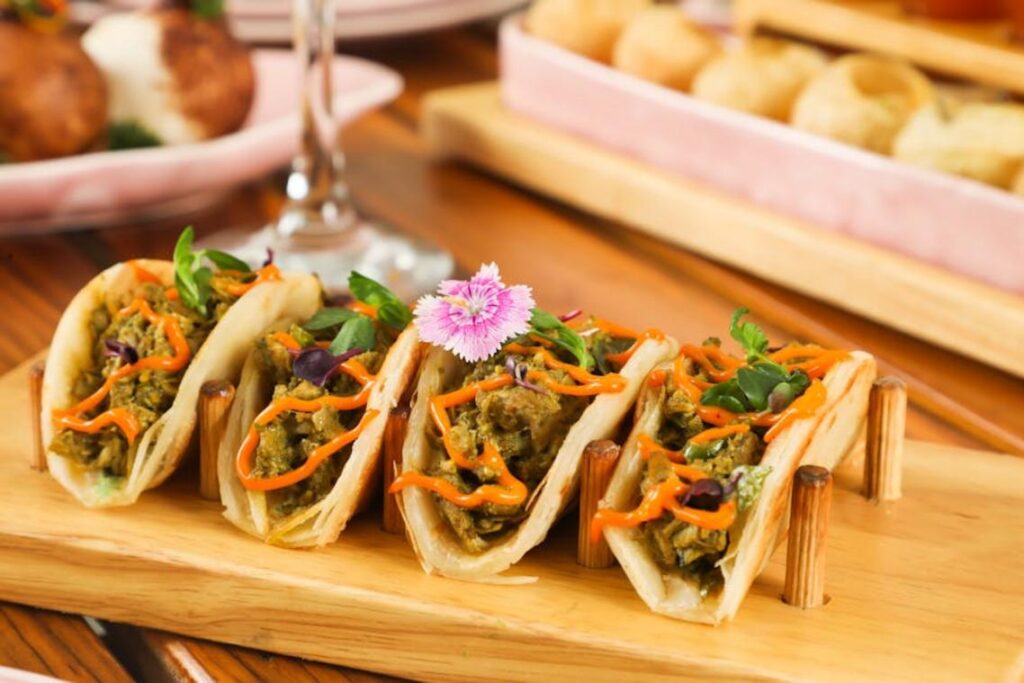
If you’re searching for bold flavors, unexpected pairings, and vibrant dishes that capture the energy of global street markets, this guide to latin asian street food is exactly what you need. This article explores how Latin American and Asian culinary traditions collide—blending spices, sauces, cooking techniques, and cultural influences into unforgettable, crave-worthy creations.
We break down the essential ingredients, signature flavor profiles, and must-try dishes that define this fusion movement. You’ll also discover practical cooking tips to recreate these street-style favorites at home, from mastering wok-fired heat to balancing citrus, heat, and umami.
Our insights are rooted in extensive research into traditional street food culture, classic regional techniques, and evolving global fusion trends. By examining both authentic roots and modern interpretations, this guide gives you a reliable, well-rounded understanding of what makes this culinary crossover so exciting—and how you can bring those world-class flavors to your own kitchen.
The Ultimate Flavor Collision: Where Latin Spice Meets Asian Umami
Imagine smoky chipotle swirling into soy sauce, lime slicing through coconut curry. Ever wondered why these contrasts taste so right? That’s the magic of latin asian street food.
Here are three essentials:
- Pair heat with umami-rich bases like miso or adobo.
- Balance brightness with fat—think pickled onions over teriyaki pork.
- Use street-ready formats: tacos, bao, rice bowls.
Skeptical about fusion? Fair. Purists argue traditions shouldn’t mix. But cuisines have always evolved through trade (and late-night cravings).
Ready to experiment in your kitchen tonight? Trust your palate. boldly.
The Flavor Bridge: Core Ingredients That Unite Two Worlds
Great fusion isn’t random—it’s structural. Start with acidity, the backbone of balance. Citrus like lime, yuzu, and calamansi, plus rice wine or cane vinegar, cut through rich meats and fried textures. Acidity brightens flavor by lowering pH, which heightens taste perception (Harold McGee, “On Food and Cooking”). Try this: squeeze lime over grilled pork tacos, then add a splash of rice vinegar to quick-pickled onions. Same principle, two traditions, one balanced bite. Some argue citrus alone is enough—but vinegar adds depth and subtle sweetness (pro tip: blend both for layered tang).
Next is umami—that savory, mouth-filling taste identified by Kikunae Ikeda in 1908. Soy sauce, fish sauce, miso, and Latin-style adobos all deliver glutamates, compounds linked to savory intensity (NIH). Mix soy sauce with adobo paste for a marinade that works on steak or mushrooms. The result? Bold, rounded flavor without extra salt.
For heat, layer instead of overwhelm. Combine jalapeño’s freshness, gochujang’s fermented sweetness, aji amarillo’s fruitiness, and Szechuan peppercorn’s tingling buzz. Think of it like building a playlist, not blasting one song on repeat.
Finally, aromatics—garlic, ginger, cilantro, scallions—form the base. Sauté garlic and ginger in oil, fold in cilantro stems, finish with scallions. This foundation powers everything from dumplings to tacos and defines unforgettable latin asian street food.
Fusion in Hand: Tacos, Buns, and Wraps Reimagined
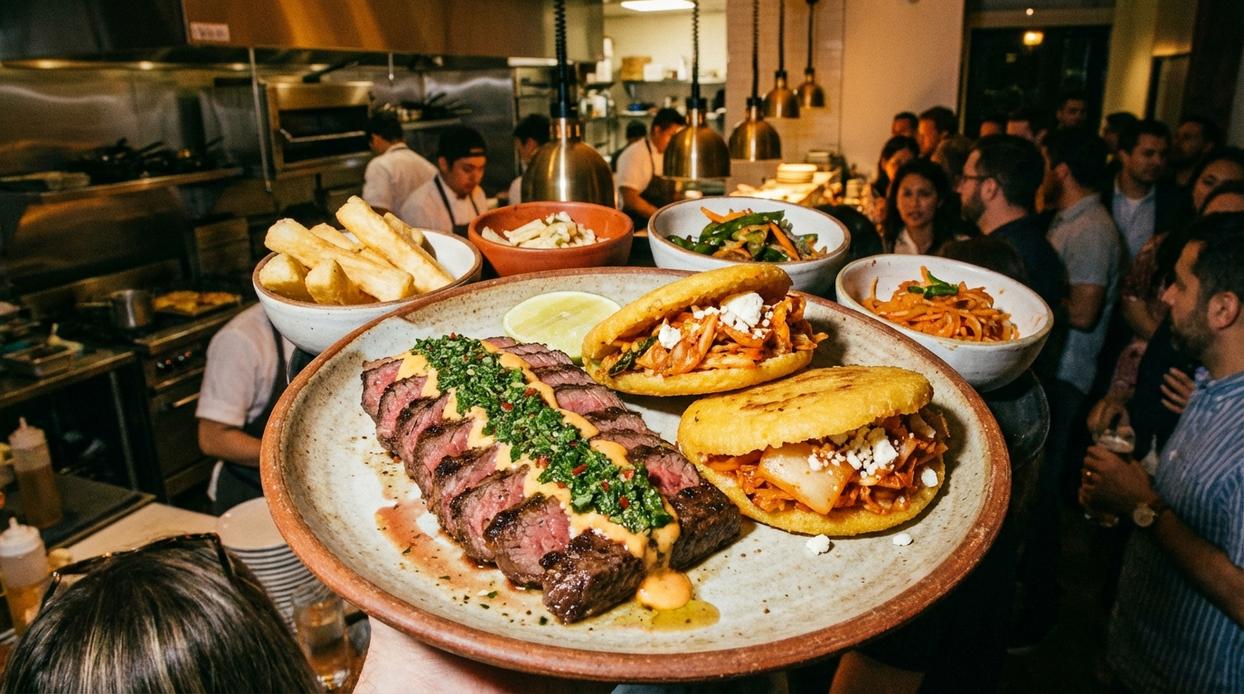
Street food travels fast—but technique is what makes it unforgettable. Here’s how to elevate three handheld favorites beyond the usual mashup and into something worthy of serious culinary respect.
Kimchi Carnitas Tacos
Start with pork shoulder, slow-cooked at 300°F until collagen breaks down into silky gelatin (that luscious, sticky richness). This process—rendering—means melting intramuscular fat for tenderness. Shred, then crisp the edges in a hot skillet for contrast. The counterpoint? Sharp, fermented kimchi. Fermentation develops lactic acid, giving that signature tang. Balance it with a creamy gochujang aioli—gochujang being a Korean chili paste blending heat, sweetness, and umami. Some argue fusion tacos blur tradition. But tacos have always evolved regionally; adaptation is the tradition. Finish with lime for acid lift.
Bulgogi Beef Bao Buns
Marinate thin-sliced ribeye in soy sauce, pear, garlic, and sesame oil. The pear’s enzymes tenderize (nature’s meat mallet). Grill quickly over high heat to caramelize sugars. Steam bao until pillowy—steam creates trapped moisture, forming that fluffy crumb. Fill with beef, pickled daikon for crunch, cilantro for brightness, and toasted sesame for nutty aroma. Pro tip: dry the beef slightly before grilling to encourage browning instead of steaming.
Peruvian-Japanese Chicken Wraps
Inspired by Nikkei cuisine, these wraps highlight soy-lime-aji amarillo marinade—aji amarillo being a fruity Peruvian chili. Grill for light char, slice, and layer into tortillas with avocado and pickled red onions. This is latin asian street food distilled: acid, heat, fat, freshness—perfectly handheld (and unapologetically bold).
On a Stick & In a Bowl: Skewers and Rice Creations
Street food purists might argue that fusion twists dilute tradition. Fair point. But cuisine has always traveled, adapted, and evolved (tomatoes weren’t even native to Italy). These skewers and bowls lean into that spirit while respecting their roots.
Thai Chili & Lime Chicken Anticuchos
Anticuchos traditionally feature cumin-forward, vinegar-laced marinades. Here, we brighten things up. Whisk 2 tbsp fish sauce, juice of 2 limes, 2 minced Thai bird chiles, 3 cloves garlic, 1 tsp ground cumin, and 1 tbsp brown sugar. Marinate chicken hearts or thighs for at least 2 hours, then grill over high heat until lightly charred.
The fish sauce adds umami (that savory depth that makes food taste “complete”), while lime cuts through richness. If you’re hesitant about chicken hearts, thighs deliver similar flavor with a friendlier texture.
Filipino Adobo-Glazed Pork Belly Skewers
Adobo balances salty (soy sauce), sour (vinegar), and savory (garlic, bay). Simmer ½ cup soy sauce, ½ cup cane vinegar, smashed garlic, bay leaves, and peppercorns with pork belly until tender. Then strain and reduce the liquid until syrupy. This reduction—meaning simmered until thickened—becomes your glaze.
Some say pork belly is too rich for skewers. Yet that fat renders beautifully over flame, creating caramelized edges (the kind you fight over).
Cuban Mojo Pork & Coconut Rice Bowl
Mojo combines orange juice, lime, oregano, cumin, and lots of garlic. Marinate pork shoulder overnight, roast, then shred. Serve over coconut-ginger rice with black beans and fried plantains for a deconstructed latin asian street food vibe.
What’s next? Try swapping proteins or finishing with fresh herbs and pickled onions for contrast. And if bold flavor mashups excite you, explore global fusion desserts with bold flavor twists to round out the meal.
The Secret Weapon: Sauces, Salsas, and Toppings
First, Mango-Habanero Ponzu blends mango puree, minced habanero, and citrusy soy-based ponzu, delivering sweet heat balanced by umami depth. Brush it over grilled fish or chicken, and suddenly weeknight protein tastes restaurant-level.
Next, Avocado-Wasabi Crema folds fresh avocado, lime juice, and wasabi paste into a silky, no-cook sauce. The healthy fats create body, while the sharp kick cuts through tacos or grain bowls (goodbye, boring lunches).
Finally, Quick-Pickled Jicama & Star Anise combines rice vinegar, sliced jicama, sugar, salt, and star anise for fragrant crunch—perfect for dishes inspired by latin asian street food.
Great street food doesn’t require a passport—just intention. Now that you understand the core principles behind bold flavor layering, it’s time to act. Start by experimenting with latin asian street food combinations that balance heat, acid, crunch, and umami (that savory depth that makes you go back for another bite).
Here’s a simple path forward:
- Pick one hero protein—try slow-braised carnitas.
- Add contrast—kimchi or pickled mango.
- Finish with a punchy sauce like avocado-wasabi crema.
Pro tip: build flavors in layers, not all at once. This week, cook one recipe and taste the world from your kitchen today.
Savor the World One Bite at a Time
You came here craving a deeper understanding of latin asian street food—the bold spices, the sizzling techniques, and the cultural stories packed into every bite. Now you have the essentials to recreate those vibrant flavors at home and bring global street markets straight to your kitchen.
The real challenge wasn’t finding inspiration. It was knowing how to balance flavors, master quick cooking techniques, and confidently blend culinary traditions without losing authenticity. With these insights, you’re no longer guessing—you’re cooking with purpose.
Don’t let your meals fall back into the ordinary. Start experimenting with one new fusion recipe this week. Explore new ingredients, try a fresh technique, and push your flavor boundaries.
Ready to take your skills further? Dive into more globally inspired recipes and expert cooking hacks trusted by thousands of passionate home cooks worldwide. Discover new flavors, sharpen your techniques, and transform everyday meals into unforgettable street‑food experiences. Start cooking your next masterpiece today.