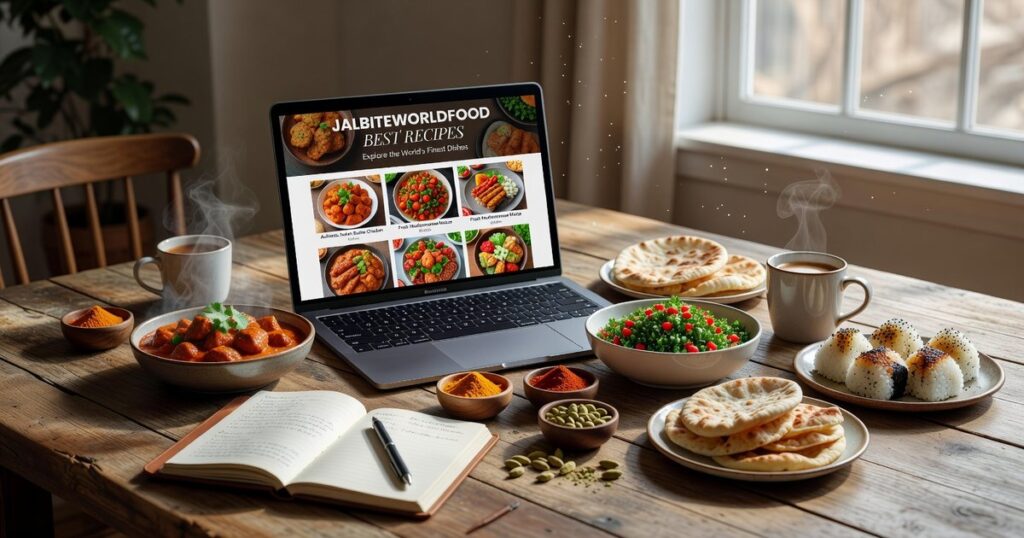
I’ve cooked my way through dozens of cuisines, and I can tell you this: most people think international cooking is harder than it actually is.
You’re probably tired of making the same five dinners on repeat. Maybe you’ve scrolled past those beautiful Thai curry or Mexican street taco recipes thinking they’re too complicated for a weeknight.
They’re not.
Here’s the truth: authentic flavor doesn’t require a culinary degree or a pantry full of ingredients you’ll never use again.
I’ve spent years testing recipes from around the world and figuring out which ones actually work in a regular home kitchen. The kind with limited counter space and a spice cabinet that’s already pretty full.
This is your guide to jalbiteworldfood best recipes that deliver real taste without the stress. We focus on dishes that use ingredients you can find and techniques you already know (or can learn in about five minutes).
You’ll get recipes you can start tonight. No special equipment needed. No three-hour prep times.
Just good food from around the world that actually fits into your life.
A Taste of Asia: Vibrant, Fast, and Flavorful
Asian cooking gets a bad rap for being complicated.
People think you need a dozen specialty ingredients and a wok the size of a satellite dish.
Not true.
The real magic of Asian cuisine comes down to balance. Sweet, sour, salty, and spicy working together. Once you understand that, you can make restaurant-quality food in your own kitchen.
And here’s the best part. Most of these dishes come together faster than ordering takeout.
20-Minute Thai Basil Chicken (Pad Krapow Gai)
This is one of those jalbiteworldfood best recipes that sounds fancy but takes almost no time.
You need three things to get it right: holy basil (or regular Thai basil if you can’t find it), bird’s eye chilies, and a simple sauce made from fish sauce, soy sauce, and a touch of sugar.
The technique that matters? High heat.
Most home cooks use medium heat because they’re scared of burning things. But that’s exactly why their stir-fries taste flat. You want that wok hei flavor, the slightly charred, smoky taste you get at good Thai restaurants.
Here’s my hack for a standard skillet. Heat it until a drop of water evaporates instantly. Add your oil, wait five seconds, then throw in your garlic and chilies. The whole thing should sizzle loud enough to make you nervous (that’s how you know it’s working).
Cook your ground chicken fast, about three minutes. Toss in the basil at the very end so it wilts but doesn’t turn black.
Simple Miso Soup with Tofu & Wakame
If Thai basil chicken is the flashy dish, miso soup is the quiet one that keeps you coming back.
This is foundational Japanese cooking. Comforting, quick, and deceptively simple.
You need dashi (fish stock), miso paste, cubed tofu, and dried wakame seaweed. That’s it.
The one rule that matters: never boil the miso paste.
I see people make this mistake all the time. They dump the paste into boiling water and wonder why it tastes bitter and flat. Boiling kills the probiotics and wrecks the flavor.
Instead, bring your dashi to a simmer. Turn off the heat. Scoop some broth into a small bowl, whisk in your miso paste until smooth, then pour it back into the pot.
Add your tofu and wakame. Let everything sit for a minute.
Done.
The whole process takes maybe seven minutes, and you get something that actually tastes like it came from a Japanese kitchen.
Mediterranean Marvels: Sun-Kissed, Fresh, and Healthy
Everyone thinks Mediterranean food is just about olive oil and tomatoes.
They’re missing the point.
Sure, those ingredients show up. But what makes this cooking style work isn’t the ingredients themselves. It’s how you treat them.
Most recipe sites will tell you Mediterranean food is healthy because it’s light. That’s backwards. It’s healthy because it’s satisfying. You don’t need to pile your plate high when the flavors actually deliver.
Let me show you what I mean.
Greek Lemon & Herb Roasted Potatoes
Here’s where people mess up. They toss potatoes with lemon juice and oil, then wonder why everything tastes flat.
The trick? Make an emulsion first.
Whisk your lemon juice with olive oil and dried oregano until it comes together. Really whisk it. You want it thick and creamy, not separated. Then coat your potato wedges.
What happens in the oven is pretty simple. The emulsion clings to every surface. You get crispy edges with this herb crust that actually sticks. The insides stay fluffy because the acid tenderizes while it roasts.
I’ve seen these potatoes upstage the main course more times than I can count.
5-Ingredient Italian Pasta Aglio e Olio
People call this a “simple” pasta dish like that’s supposed to mean something.
It’s not simple. It’s refined. There’s a difference.
You need pasta, garlic, olive oil, red pepper flakes, and parsley. That’s it. But here’s what separates the jalbiteworldfood best recipes from the ones that taste like oily noodles.
The pasta water.
When your garlic turns golden in that olive oil, you add a ladle of starchy pasta water. Not after. Right then. You shake the pan hard and watch it transform into an actual sauce.
Most people skip this step or do it halfheartedly. Then they complain their pasta is greasy.
The starch binds with the oil. Chemistry does the work. You end up with this glossy coating that’s silky, not slick.
It takes maybe twelve minutes start to finish. And yeah, it’s a pantry staple. But it’s also proof that technique beats ingredient lists every single time.
Latin American Zest: Bold Spices and Festive Dishes
Everyone talks about Latin American food like it’s all about heat.
More chili. More spice. More fire.
But that’s not what makes these dishes work.
I’ve cooked my way through enough jalbiteworldfood best recipes to know the real secret. It’s the citrus. The acidity. The way lime juice cuts through rich beans or brightens up charred peppers.
Sure, the spices matter. But if you’re just piling on heat without balance, you’re missing the point.
Let me show you two dishes that get it right.
Easy Sheet-Pan Chicken Fajitas
Most people think fajitas need a screaming hot cast iron skillet and a cloud of smoke that sets off every alarm in your house.
They don’t.
A sheet pan at 425°F does the job just fine. You get the char you want without the chaos (and without scrubbing your stovetop for twenty minutes).
Here’s what you need for the spice blend. Equal parts cumin and chili powder. Half as much paprika. That’s it.
Toss your chicken strips and sliced peppers with oil and those spices. Spread everything out so it’s not crowded. The vegetables need space to caramelize instead of steam.
Roast for about 20 minutes. Flip once halfway through.
The result? Chicken with actual color and peppers that have some bite left in them.
Brazilian Black Bean Stew
Brazil’s national dish is feijoada. The traditional version takes all day and involves cuts of pork you can’t find at most grocery stores.
I’m not doing that on a Tuesday night. Neither are you.
This simplified version builds the same smoky depth in under an hour. The trick is smoked sausage. It does most of the work for you.
Start with onions and garlic in a heavy pot. Add your black beans (canned is fine), diced tomatoes, and sliced smoked sausage. Season with cumin, bay leaves, and a pinch of smoked paprika.
Let it simmer for 30 minutes. The beans break down a bit and thicken the stew naturally.
Right before serving, hit it with lime juice. That’s the move most people skip. The acid wakes everything up and ties the flavors together.
Serve it over rice with orange slices on the side. That’s how they do it in Brazil, and there’s a good reason why.
Global Comfort: Hearty Stews and One-Pot Wonders
I’ll be honest with you.
Most people overthink one-pot meals. They think comfort food has to take hours or require some fancy technique you learned in culinary school.
It doesn’t.
The best stews I’ve made came together in under 40 minutes. And they tasted better than anything I spent all day on.
Here’s my take. One-pot cooking is where global cuisine really shines. You throw ingredients in a pot, let them talk to each other, and walk away. No babysitting. No stress.
Take North African tagines. They’re built for busy people (even though nobody talks about that part). You bloom your spices in oil for maybe two minutes and the whole dish transforms.
I’m talking about cinnamon, turmeric, and ginger hitting hot oil. That’s when the magic happens. The smell alone will make you understand why spice routes existed.
My go-to is a chickpea and apricot tagine. Vegetarian, which means it’s cheaper and faster than most meat-based stews. The sweet apricots against earthy chickpeas? That’s the Moroccan flavor profile everyone raves about.
And it’s one of those quick recipes jalbiteworldfood that actually delivers on the promise.
You don’t need a traditional tagine pot either (though they look cool). A regular pot with a lid works fine. The key is blooming those spices first. Don’t skip that step or you’ll end up with flat, boring flavors.
Pro tip: Toast your spices for 90 seconds max. Any longer and they burn. Any shorter and you’re leaving flavor on the table.
That’s it. One pot. Big flavor. Minimal cleanup.
Start Your Culinary Adventure
You now have a collection of recipes that prove world cuisine isn’t out of reach.
I know how intimidating new flavors can feel. Those complex-sounding dishes that make you second-guess yourself in the kitchen.
But here’s the thing: these recipes work because they focus on techniques you can actually master and ingredients you can find. You don’t need specialty stores or years of training to bring global flavors to your table.
Pick the recipe that excites you most. Grab your ingredients and start cooking.
You came here looking for ways to explore world cuisine. Now you have them.
The key is just to begin. Your first attempt might not be perfect but that’s how you learn what works.
Want more inspiration? Browse our jalbiteworldfood best recipes for even more global dishes that’ll expand your cooking repertoire.
Your kitchen is about to get a lot more interesting. Homepage. Jalbiteworldfood Recipes.