Scroll through your feed before dinner and you may notice something: your cravings aren’t entirely your own. The rise of social media food influence has quietly transformed how we discover recipes, choose restaurants, and even define what looks “appetizing.” While platforms offer endless culinary inspiration from around the globe, they also amplify fleeting trends that can overshadow nutrition, culture, and personal taste. This article explores the psychology behind viral dishes, separates genuine innovation from hype, and helps you recognize the benefits and drawbacks—so you can make more conscious, satisfying decisions about what truly belongs on your plate.
Why That Viral Dish Looks Irresistible: The Psychology of Social Media Food Trends
Ever notice how a simple slice of cake suddenly feels life‑changing once it hits your feed? That’s not accidental—it’s psychology at work.
1. Visual Cues & “Eating with Your Eyes”
Humans are highly visual eaters. Bright colors, glossy sauces, and dramatic cheese pulls activate anticipatory reward systems in the brain (Spence et al., 2016, Flavour). High-resolution photography, strategic lighting, and slow‑motion edits exaggerate texture and freshness. Your brain reads these cues as signals of quality and taste—before you’ve taken a bite. (Yes, even that neon-blue latte.)
2. The Power of Social Proof
When thousands of likes and comments pile up, the dish feels validated. This is called social proof—a psychological phenomenon where people mirror others’ behavior in uncertain situations (Cialdini, 2009). If everyone’s trying it, it must be worth it, right? The metrics create urgency and elevate ordinary food into a “must‑try” experience.
3. FOMO and Limited-Time Hype
Scarcity drives action. Limited releases like cronuts or dalgona coffee trigger FOMO (Fear of Missing Out), a social anxiety linked to real-time updates and exclusivity (Przybylski et al., 2013). When something feels temporary, it feels valuable. That’s classic demand psychology.
4. Parasocial Relationships & Trust
Followers often form parasocial relationships—one‑sided bonds with influencers that feel personal. Recommendations land like advice from a friend, not an ad. This trust amplifies social media food influence and turns curiosity into cravings.
If you’re curious how trends reshape global comfort cuisine, explore the rise of plant based comfort food around the world.
Pro tip: Before chasing the next viral bite, ask yourself—do you want the flavor, or the feeling of being part of the moment?
From Your Screen to Your Kitchen: The Positive Influence on Global Cuisine
Back in 2019, scrolling for recipes usually meant long blog posts and five-minute intro stories before you reached the ingredients. Fast forward to today, and in under 60 seconds, you can learn how to fold dumplings or temper chocolate. That shift has become a gateway to global flavors.
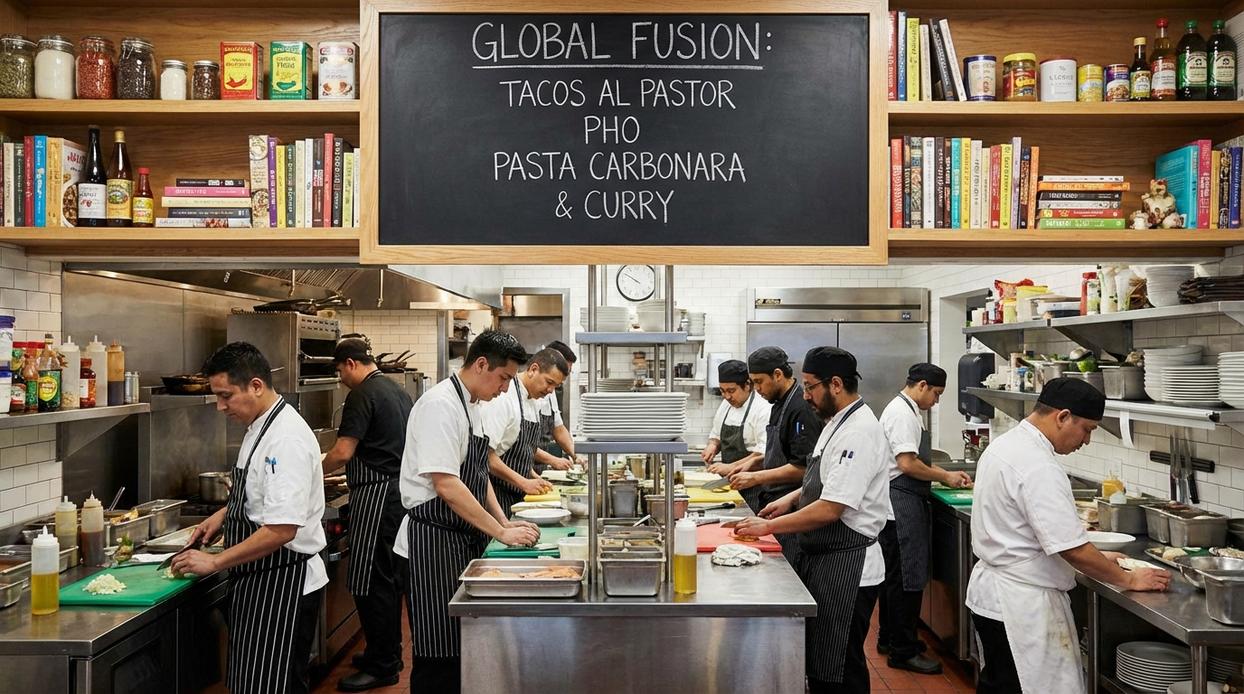
First, influencers introduce audiences to international fusion recipes and lesser-known ingredients—think gochujang swirled into pasta or yuzu added to cheesecake. For many home cooks, these ingredients were once confined to specialty markets. Now, after just a few viral posts, they’re pantry staples. Critics argue that this trend dilutes authenticity. However, food has always evolved through cultural exchange; fusion isn’t new—it’s simply more visible now (consider how tacos al pastor trace back to Lebanese shawarma).
Meanwhile, short-form video platforms like TikTok and Reels demystify cooking techniques. Complex skills—such as laminating dough or achieving the perfect sear—are broken into digestible steps. In the span of a lunch break, viewers can grasp methods that once took weeks of trial and error. That accessibility lowers the intimidation factor and encourages experimentation.
At the same time, influencers spotlight hidden gems. A single post can boost foot traffic to a small, family-owned Ethiopian or Filipino restaurant within days. While some worry about sudden crowds overwhelming businesses, many owners report measurable sales increases after viral exposure (National Restaurant Association, 2023).
Ultimately, social media food influence inspires more people to cook at home. Visually appealing, simple recipes make global cuisine feel achievable—turning passive scrolling into active, flavorful creation.
Beyond the Filter: The Unseen Downsides of Influencer Food Culture*
The “Health Halo” Effect
The health halo effect happens when a food is labeled “clean,” “natural,” or “gluten-free” and automatically perceived as healthy—even if it’s loaded with sugar or calories. Research from Cornell University shows that health claims can cause people to underestimate calorie counts by up to 20% (Wansink & Chandon, 2006). That green smoothie bowl might look virtuous, but without context, it’s just a photogenic dessert (kale can only do so much).
Understanding this helps you read beyond buzzwords and build meals based on nutrients, not aesthetics. The benefit? Smarter choices, steadier energy, and fewer “why am I still hungry?” moments.
Unrealistic “What I Eat in a Day” Content
Many viral diet diaries showcase highly restrictive or incomplete eating patterns. While some argue these videos inspire discipline, critics note they can normalize undereating or imbalance. The Academy of Nutrition and Dietetics emphasizes individualized nutrition for good reason—what fuels a marathon runner won’t sustain a college student cramming for exams.
By recognizing that these snapshots aren’t universal blueprints, you protect your relationship with food. You gain confidence to tailor meals to your needs, not an algorithm’s highlight reel.
Performance Over Palate
When presentation trumps practicality, flavor and affordability often suffer. Ever tried recreating a “cloud bread” trend that tasted like packing foam? (No judgment—we’ve all been there.) Food optimized for social media food influence can prioritize color palettes over cultural authenticity.
Seeing this clearly empowers you to focus on taste, nourishment, and budget. Your kitchen becomes a place of enjoyment, not performance.
Undisclosed Sponsorships & Authenticity
Paid promotions aren’t inherently bad—but undisclosed ones erode trust. The FTC requires influencers to clearly label ads, yet compliance varies. Learning to spot vague hashtags or overly glowing reviews protects your wallet and your health.
The Problem of Food Waste
Elaborate spreads made purely for content can generate significant waste. Being mindful of this encourages realistic portions and sustainable cooking habits—better for your conscience and your grocery bill.
Becoming a Mindful Digital Diner
You came here to better understand how social media shapes the way you eat—and now you can see both its inspiration and its pressure. The real challenge isn’t discovering new dishes; it’s resisting the constant pull of social media food influence designed to dictate what’s “worthy” of your plate. Instead of letting trends control your cravings, use them as creative sparks. Treat every viral recipe as a starting point, not a standard. Adapt it. Season it differently. Make it fit your culture, your health goals, your taste. Next time a trend floods your feed, pause—then turn it into something uniquely yours.