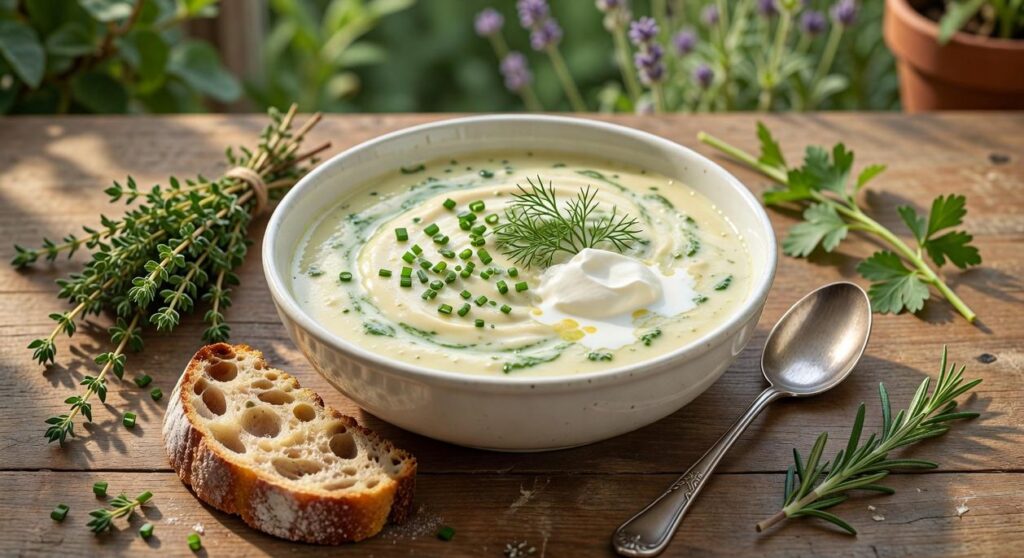
A single spoonful of sauce can tell the story of a culture—its history, geography, and traditions distilled into flavor. Yet for many home cooks, the world of sauces feels vast and overwhelming. With countless varieties spanning continents, it’s hard to know which ones truly matter or how to use them confidently. This guide cuts through the confusion with a curated tour of foundational and international mother sauces that define global cuisine. You’ll discover what these essential sauces taste like, why they matter, and how to use them to instantly bring bold, authentic international flavors into your own kitchen.
The Umami Foundation: Savory Sauces That Build Depth
To understand global flavor, you first need to understand umami—the savory “fifth taste” (alongside sweet, sour, salty, and bitter). Umami is the deep, mouth‑filling savoriness that makes food feel complete. And few ingredients deliver it better than three powerhouse sauces.
First, soy sauce from East Asia. Made from fermented soybeans and wheat, it’s a masterclass in controlled saltiness. However, not all soy sauce is the same. Light soy sauce is thinner and saltier, primarily used for seasoning. Dark soy sauce is aged longer, slightly sweeter, and thicker—ideal for adding rich color and body to braises. In practice, light soy brightens stir-fries, while dark soy gives red-braised pork its mahogany sheen. Think of it as the bass line in a song—subtle, but everything falls apart without it.
Next, fish sauce, the backbone of Southeast Asian cooking. At first smell, it can seem overpowering (yes, it’s intense). But during cooking, its pungency softens, leaving behind layered savoriness. A splash in Pad Thai, pho broth, or nuoc cham doesn’t make the dish taste “fishy.” Instead, it amplifies other flavors—like turning up contrast on a photo.
Finally, Worcestershire sauce. This British condiment blends fermented anchovy, tamarind, vinegar, and spices. The result? A complex background note that enhances meat, tomato sauces, Caesar dressing, and even a Bloody Mary. It works quietly, much like international mother sauces, building depth without stealing attention.
Together, these sauces prove one thing: umami isn’t loud—it’s foundational.
A World of Heat: Iconic Spicy & Pungent Pastes
Spicy pastes aren’t just about heat—they’re about depth, history, and transformation. Think of them as concentrated flavor engines (a little goes a long way). If you’ve mastered international mother sauces, these are your next passport stamps.
Gochujang (Korea)
At first glance, gochujang looks like a simple chili paste. In reality, it’s a fermented blend of red chili powder, soybeans, and glutinous rice. Fermentation—an age-old preservation method that uses beneficial microbes to develop flavor—creates its signature sweet, savory, and umami-rich complexity. That’s why it tastes rounded rather than sharp. Stir it into bibimbap for balance, glaze Korean fried chicken for sticky heat, or deepen a bubbling jjigae. Wondering what’s next? Try whisking it into salad dressing for a fiery twist on vinaigrette.
Harissa (North Africa)
Meanwhile, harissa delivers smoky, aromatic warmth. Originating in Tunisia, it blends chilies with caraway, cumin, and coriander—spices that lend earthy depth rather than blunt spice. Rub it onto grilled lamb or chicken, fold it into couscous, or swirl it with yogurt for a dip that wakes up raw vegetables (goodbye, boring crudités). For extra nuance, bloom it briefly in warm oil before using—this unlocks its essential oils.
Sriracha (Thailand/Global)
Then there’s sriracha, the bright, garlicky chili sauce that conquered diner tables and dorm rooms alike. Its tangy heat is straightforward and versatile. Spoon it over pho, eggs, or tacos, or mix it into mayonnaise for instant spicy aioli. Next step? Blend it with honey and lime for a quick glaze that clings beautifully to roasted vegetables.
Fresh & Vibrant: Herbaceous and Creamy Counterparts
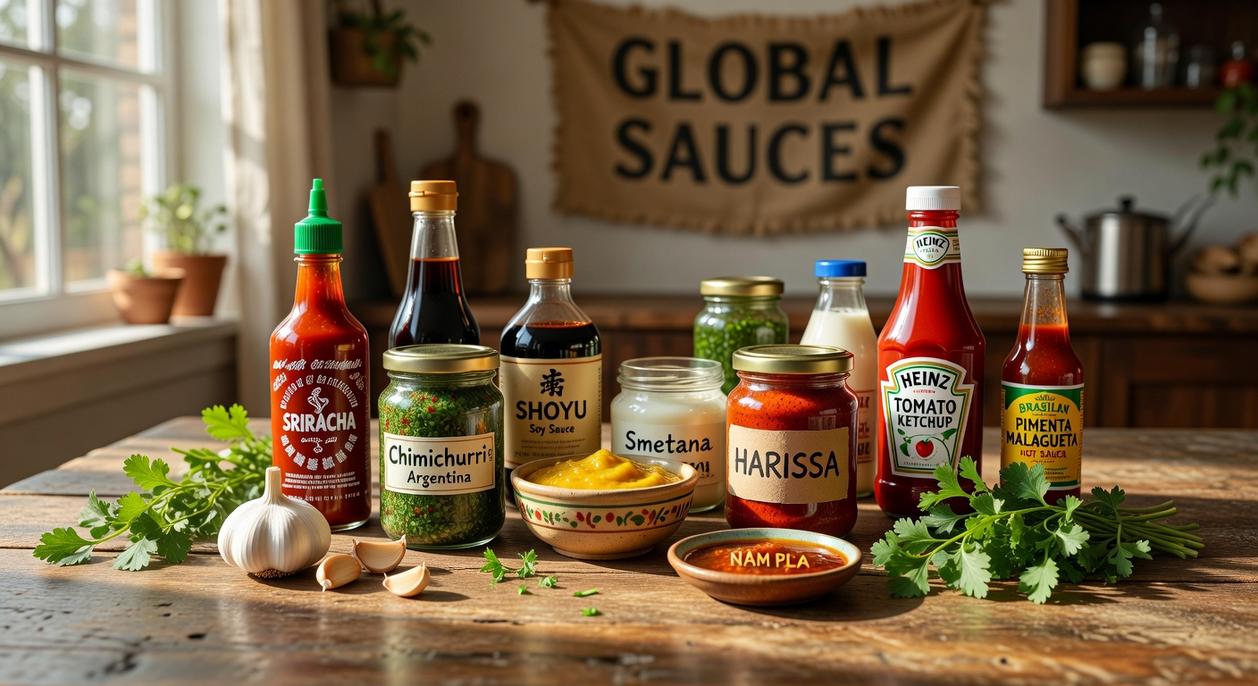
Back in 2019, during a summer recipe test that lasted three sticky, basil-scented months, one thing became clear: herbaceous sauces can outshine even the most carefully cooked main. While classic international mother sauces build structure, these fresh counterparts bring brightness and contrast (the culinary equivalent of opening a window after cooking all day).
Pesto (Italy) is the iconic blend of fresh basil, pine nuts, garlic, Parmesan cheese, and olive oil. Traditionally paired with pasta, it’s far more versatile than many assume. According to the Italian Academy of Cuisine, authentic pesto should be crushed, not blended, to preserve aroma. Try it:
- Spread on sandwiches instead of mayo
- Dolloped over roasted vegetables
- Whisked into salad dressings
Chimichurri (Argentina) is an uncooked, vinegar-forward mix of parsley, oregano, and garlic. Its acidity cuts through rich grilled meats beautifully. Spoon it over steak, drizzle onto sausages, or use it as a quick fish marinade (it only needs 30 minutes to work its magic).
Tzatziki (Greece & Middle East) blends yogurt, grated cucumber, garlic, and mint or dill for a cooling contrast to spicy dishes. Serve it with pita, vegetables, gyros, or souvlaki.
If you’re building global flavor foundations, start with these and explore more must have pantry staples for cooking international dishes: https://jalbiteworldfood.com.co/must-have-pantry-staples-for-cooking-international-dishes/
Unlocking Your Pantry: A Flavorful Conclusion
I still remember the night I rescued a bland tomato sauce with a single splash of fish sauce. It felt like kitchen alchemy. That moment was when I realized that mastering a handful of sauces changes everything.
You now understand the foundations behind the world’s most iconic flavors. These aren’t just recipes; they are building blocks — what chefs often call international mother sauces. Learn them once, and you can improvise forever. (It’s like learning chords on a guitar.)
Some argue that shortcuts dilute authenticity. I disagree. A teaspoon of harissa in hummus or fish sauce in bolognese doesn’t erase tradition; it deepens it. Flavors travel, just like we do.
Try this:
• Start with one sauce and cook it three different ways.
• Add a contrasting global twist.
Pro tip: taste before and after each tweak and note the shift.
Your pantry is now a passport to somewhere new. Open a jar, stir boldly, and see where dinner takes you. Explore, experiment, repeat, and trust your palate to guide the journey ahead with confidence and curiosity always. Start tonight and let your next meal surprise you completely with bold unexpected layers of flavor.
Bring Global Flavor Into Your Kitchen Today
You came here to finally understand how the world’s most iconic sauces shape global cuisine — and now you have the foundation to use them with confidence. From mastering flavor balance to exploring bold cultural twists, you’ve seen how international mother sauces act as the building blocks behind countless unforgettable dishes.
If you’ve ever felt stuck making the same meals on repeat or unsure how to recreate authentic global flavors at home, that frustration ends here. With the right techniques and a deeper understanding of these core sauces, you can transform simple ingredients into restaurant-worthy creations.
Now it’s time to take action. Choose one sauce, practice it this week, and experiment by pairing it with a new cuisine. Explore more global cooking guides, expand your flavor knowledge, and start building your own fusion creations with confidence.
Thousands of home cooks are already elevating their meals by mastering the foundations of world cuisine. Don’t stay stuck in bland routines — start cooking smarter, bolder, and more globally inspired today.