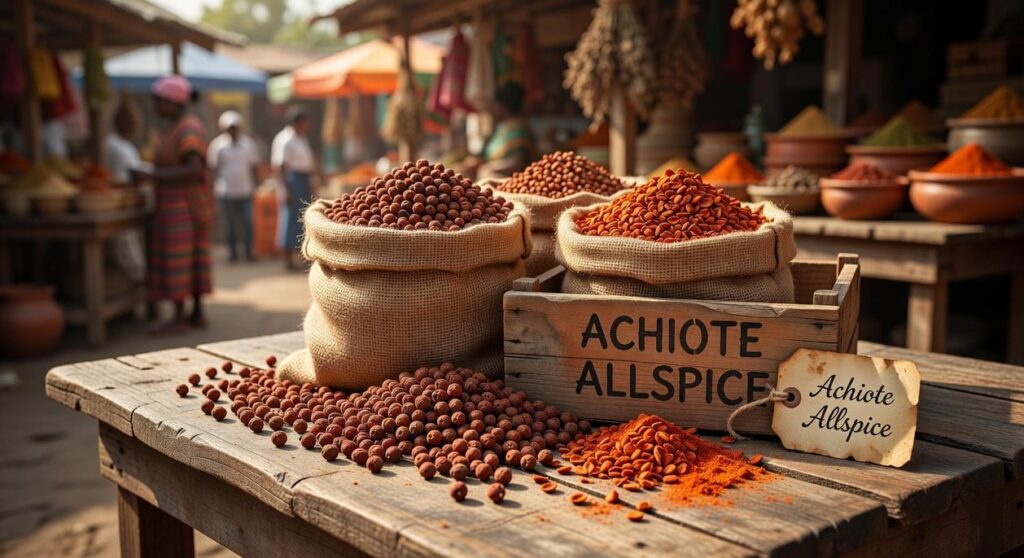
If your meals are starting to taste the same, you’re not alone. Many home cooks rely on the usual salt, pepper, and garlic powder—only to find themselves stuck in a flavor rut. This guide goes beyond the basics, introducing you to unique yet accessible global kitchen spices that can instantly transform everyday dishes. We’ve explored traditional uses, tested simple pairings, and gathered practical tips to ensure you’re not just learning about new flavors—you’re confidently cooking with them tonight. Get ready to discover bold profiles, easy techniques, and fresh inspiration that will bring excitement back to your kitchen.
From the Souks of Morocco: Sumac & Za’atar
What is Sumac?
Wander through the spice stalls of Marrakech and you’ll spot sumac immediately: a coarse, deep red powder made from dried berries—not a leafy herb. Its flavor is bright, tangy, and distinctly lemony, yet without the sharp acidity of citrus juice. In North African kitchens, it’s prized for adding lift without moisture (a small but crucial detail when texture matters). Think of it as culinary highlighter for savory dishes.
How to Use Sumac
For starters, sprinkle sumac over hummus, fattoush, or grilled chicken just before serving. It works as a finishing spice, waking up flavors already in play. Additionally, mix it into marinades for lamb or firm fish; its tart edge cuts through richness beautifully. Pro tip: add it after grilling for maximum color and aroma.
What is Za’atar?
Meanwhile, za’atar is a blend—typically dried thyme, toasted sesame seeds, and sumac. The result is nutty, herbal, and zesty all at once. In regional spice jargon, it’s considered a table seasoning, much like salt and pepper.
How to Use Za’atar
Traditionally, it’s stirred with olive oil and swiped onto warm khobz. Beyond that, try it on roasted cauliflower or potatoes, or as a rub for roasted chicken. Among global kitchen spices, few are this versatile.
The Heart of Asian Cuisine: Star Anise & Gochugaru
What Is Star Anise?
At first glance, star anise looks like something from a holiday potpourri bowl—a small, dark brown pod shaped like an eight-pointed star. Break it open, though, and you’ll find a bold, licorice-like flavor that’s warmer and sweeter than regular anise. In fact, star anise is a cornerstone of Chinese five-spice powder, the iconic blend that balances sweet, sour, bitter, salty, and umami (the savory “fifth taste”). Think of it as the bass note in a great song—subtle on its own, unforgettable in harmony.
How to Use Star Anise
Because it’s potent, star anise works best whole and slow-cooked. Add one or two pods to broths for Vietnamese pho, where it perfumes the steam like a culinary soundtrack straight out of a travel documentary. It also deepens braising liquids for pork or beef. And surprisingly, it shines in mulled wine or cider (yes, your winter drink just leveled up). Pro tip: remove the pods before serving—they’re flavor bombs, not chew toys.
What Is Gochugaru?
Now, shifting from warm and sweet to smoky and vibrant, gochugaru is Korea’s signature chili flake. Unlike generic crushed red pepper, gochugaru can be coarse or finely ground, with a fruity, slightly sweet flavor and moderate heat. It’s less “alarm bells” spicy and more “slow burn K-drama finale.”
How to Use Gochugaru
Most famously, gochugaru is essential for kimchi. However, it also enriches stews (jjigae), brightens dipping sauces, and adds flair to fried eggs or noodles. When exploring global kitchen spices, these two prove that a small pinch can transport you continents away.
Vibrant Flavors of the Americas: Achiote & Allspice
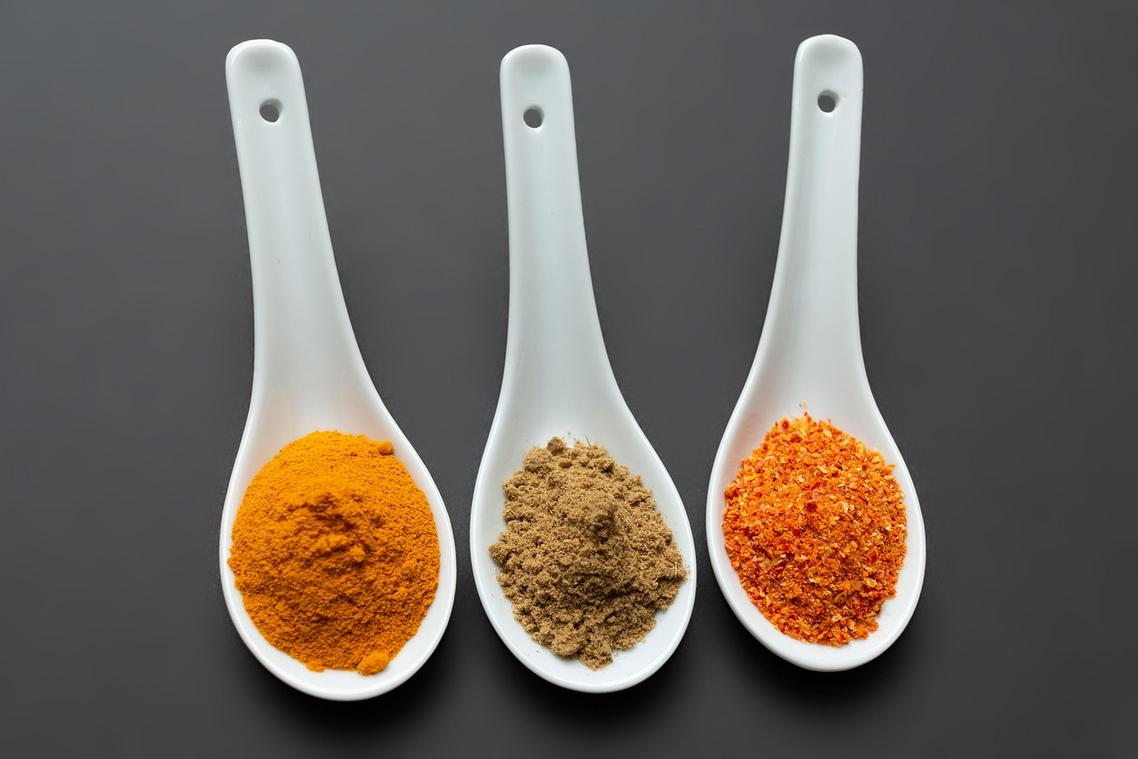
What is Achiote? Introduce achiote (or annatto) seeds, known for imparting a brilliant yellow-orange or deep red color to foods. Describe the flavor as earthy, slightly peppery, and with a hint of bitterness.
Traditionally used across Mexico and Central America, achiote is ground into a paste with garlic, citrus, and spices or infused into oil. I recommend starting with cochinita pibil, where the paste stains pork a sunset red before slow-roasting. Stir achiote oil into rice or stews when you want color without overwhelming heat (think more warmth than fire). Pro tip: bloom the seeds gently in oil to unlock their pigments.
What is Allspice? Despite the name, it’s not a blend. Allspice is the dried berry of the Pimenta dioica tree, native to the Caribbean. Its aroma combines cinnamon, nutmeg, and cloves, which is why English traders dubbed it “allspice” in the 17th century.
I strongly suggest keeping whole berries for jerk seasoning and grinding them fresh. Add them to pickling brines or slow-simmered stews, then pivot to gingerbread or pumpkin pie for sweet-savory range. If you explore foundational sauces from around the world and how to use them, you’ll see how these global kitchen spices anchor flavor traditions.
How to Source, Store, and Master New Spices
Start with sourcing. Skip dusty supermarket jars and head to international grocers or trusted online spice merchants with high turnover. Fresher stock means stronger aroma and flavor (if it smells faint, it will taste faint). Whenever possible, choose whole spices over pre-ground—they retain volatile oils longer, which means better taste over time.
Store them smartly. Keep spices in airtight containers in a cool, dark cabinet—not above the stove. Heat, light, and moisture speed up flavor loss, according to food science research on spice oxidation (McGee, On Food and Cooking).
Master flavor gradually. Add a pinch to familiar dishes before going bold. Toast whole spices in a dry pan for 30–60 seconds to unlock deeper notes, then grind. Pro tip: label jars with purchase dates. Building confidence with global kitchen spices is less about complexity and more about curiosity—experiment, taste, adjust.
Your Culinary Adventure Awaits
Your journey into the world of exotic flavors doesn’t have to feel overwhelming anymore. You now have a foundational map to vibrant ingredients—from the zesty tang of sumac to the smoky warmth of gochugaru—giving you the confidence to explore beyond your usual staples. If mealtime has started to feel repetitive, that’s your sign it’s time for something new.
By adding just one of these global kitchen spices to your pantry, you can transform an ordinary dish into something unforgettable.
Ready to break free from bland? This week, choose one spice, try a simple recipe, and experience how easily bold, global flavors can come alive in your own kitchen.