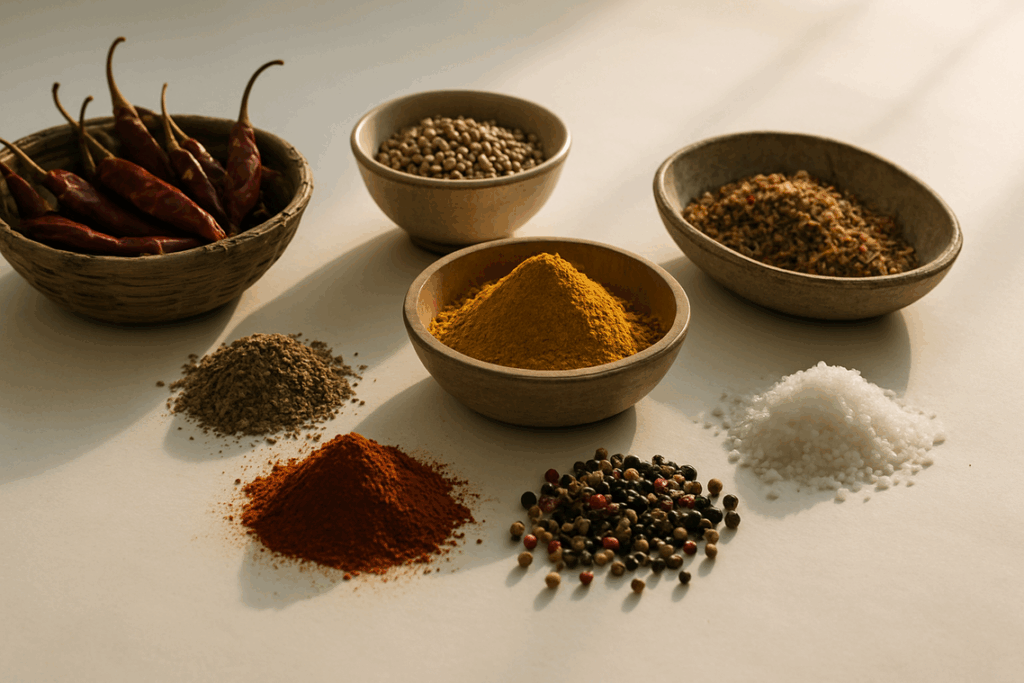
If you’ve ever wondered how to recreate authentic international flavors at home, you’re in the right place. Exploring global cuisine can feel overwhelming—new ingredients, unfamiliar techniques, and flavor combinations that seem hard to master. This article is designed to simplify that journey by breaking down essential ingredients, smart cooking techniques, and practical tips that bring the world’s flavors straight to your table.
We focus on the foundations that matter most, including how to source and use global kitchen spices, balance bold seasonings, and apply fusion methods without losing authenticity. By drawing on culinary research, traditional preparation methods, and tested kitchen experiments, this guide delivers reliable, experience-backed insights you can trust.
Whether you’re expanding your weeknight dinner rotation or diving deeper into international fusion cooking, you’ll find clear, actionable steps to confidently create vibrant, globally inspired dishes at home.
Building Your Flavor Foundation: Spices by Taste Profile
Understanding spices by taste profile is like organizing your wardrobe by season—it just makes pairing easier (and prevents culinary chaos). I learned this the hard way after adding smoked paprika to a cinnamon-heavy apple crumble. Let’s just say… NOT my finest moment.
Warm & Sweet
These spices bring aromatic sweetness and depth without necessarily adding sugar. Vietnamese cinnamon (stronger and more complex than the more common Cassia variety) delivers bold, almost peppery warmth. Cassia is flatter and sharper; Vietnamese cinnamon lingers.
Green cardamom pods offer floral, eucalyptus-like notes. Crack the pods before using to release the tiny black seeds—otherwise you’ll wonder why your curry tastes like nothing (been there).
Whole nutmeg, freshly grated, is worlds apart from pre-ground. Pre-ground nutmeg loses volatile oils—the aromatic compounds responsible for fragrance—quickly (McGee, On Food and Cooking).
Use these in baking, creamy curries, coffee, and savory meat rubs. Think garam masala warmth or even a cinnamon-dusted latte (yes, like your favorite fall coffee chain—but better).
Earthy & Smoky
Earthy spices ground a dish, giving it savory backbone. Cumin (available as seeds or ground) tastes nutty and slightly bitter. Toasting—or “blooming”—cumin in hot oil activates fat-soluble flavor compounds, intensifying aroma (Serious Eats, 2020).
Smoked paprika (Pimentón de la Vera) is dried over oak wood, which explains its campfire depth. I once skipped blooming it and stirred it straight into soup. The flavor was dull. Blooming transforms it from flat red powder into something cinematic.
Turmeric brings earthy bitterness and golden color, thanks to curcumin, its primary pigment. Toasted, it becomes rounder and less chalky.
These shine in stews, chili, lentils, and roasted vegetables. If your dish tastes “muddy,” you probably added too much at once. PRO TIP: Add in stages and taste as you go.
Pungent & Zesty
This category delivers brightness and bite. Sumac provides lemony tang without liquid—great when you don’t want extra acidity watering down a dish.
Brown mustard seeds pop and release sharp heat when tempered in oil. Skip this step and they’ll taste raw and bitter (a mistake I repeated more than I’d like to admit).
Korean gochugaru offers fruity heat rather than aggressive spice. It’s essential for kimchi and fantastic in marinades or vinaigrettes.
These spices excel in finishing dishes, cutting richness, and building vibrant flavor layers—cornerstones of mastering global kitchen spices.
Your Culinary Passport: Curating Regional Spice Collections
1. The Mediterranean Essentials
“Start simple,” my neighbor insisted as she sprinkled dried oregano over tomatoes. Greek, Turkish, and Levantine dishes lean on bold herbs and tang. Za’atar (a Middle Eastern blend of thyme, sesame, and sumac), sumac (a tart, ruby-red berry powder), and dried oregano form a powerful trio. Together, they create brightness without heat. Toss them with lemon juice and olive oil for a quick chicken marinade or scatter over flatbread. For a deeper dive, see staple ingredients in mediterranean cooking explained. Some argue fresh herbs matter more than dried—but chefs like Yotam Ottolenghi note dried spices “deliver concentrated character” (Ottolenghi, Jerusalem).
2. The Flavors of South Asia
Meanwhile, a Pakistani friend once told me, “If you hear the sizzle, you’re doing it right.” He meant tadka—tempering whole spices in hot oil to unlock aroma. Garam masala (a warming spice blend), turmeric (earthy and golden), and coriander seeds (citrusy and nutty) are foundational across Indian and Pakistani kitchens. Bloom coriander seeds in oil, add turmeric, then finish with garam masala. Some critics say blends hide nuance; however, studies show spice combinations amplify antioxidant activity (Journal of Agricultural and Food Chemistry, 2007). Pro tip: toast whole spices before grinding for fuller flavor.
3. The East Asian Pantry
Next, consider contrast. Star anise (licorice-sweet), Sichuan peppercorns (which create the tingling málà, or “numbing-spicy,” sensation), and white pepper (sharp, fermented heat) anchor many Chinese, Korean, and Japanese dishes. “It should tingle, not burn,” a Sichuan chef once laughed. While some diners shy away from málà, its buzz is the point (Fuchsia Dunlop, Land of Plenty).
4. The Latin American Core
Finally, build depth with cumin (earthy warmth), ancho chili powder (mild, raisin-like heat), and Mexican oregano (citrus-forward, unlike Mediterranean oregano). Blend them for taco seasoning or an adobo rub. Critics may say heat dominates—but balanced correctly, these global kitchen spices create harmony, not fire.
From Jar to Plate: Sourcing, Storing, and Unlocking Flavor
Buying Whole vs. Ground
Whole spices vs. ground spices is the culinary equivalent of vinyl vs. MP3. Whole cumin seeds, peppercorns, and cloves retain essential oils—the volatile compounds responsible for aroma and taste—far longer than pre-ground versions. Once ground, those oils oxidize quickly (flavor literally evaporates). Grinding as needed with an inexpensive coffee or spice grinder delivers brighter, sharper results. Yes, pre-ground is convenient. But if you’ve ever tasted freshly cracked pepper side-by-side with the dusty tin version, you know there’s no contest. Pro tip: label your grinder “spice only” unless you enjoy cumin-scented espresso.
The Rules of Storage
Spices have three sworn enemies: light, heat, and air. Exposure speeds oxidation and flavor loss. A cabinet near the oven vs. a cool, dark cupboard? The latter wins every time. Use airtight containers to reduce air contact and avoid clear jars on sunny counters (they look pretty, but they sabotage potency). Even premium global kitchen spices fade quickly when stored above the stove. Treat spices like coffee beans—protected and sealed—and they’ll reward you.
The Art of ‘Blooming’
To “bloom” means gently heating spices to release aromatic compounds. Toast whole spices in a dry pan, or warm ground spices in hot oil for 30 seconds. This step intensifies depth dramatically. Skip it, and flavors stay muted; bloom them, and dishes taste restaurant-level bold.
Bring the World to Your Table
You came here looking for fresh inspiration, deeper flavor, and practical ways to elevate your everyday cooking. Now you have the tools, techniques, and ideas to confidently explore global cuisine essentials, master fusion recipes, and use global kitchen spices to transform simple meals into unforgettable experiences.
Don’t let boring, repetitive dishes take over your kitchen again. The real frustration isn’t just bland food — it’s knowing your meals could taste better, richer, and more exciting with the right knowledge.
Start experimenting with one new spice blend this week. Try a fusion twist on a familiar favorite. Apply the cooking hacks you’ve just learned and notice the difference in flavor and confidence.
Thousands of passionate home cooks turn to us for trusted world flavor inspiration and practical guidance that actually works. Now it’s your turn.
Explore more global recipes, stock your pantry with essential spices, and put these techniques into action today — your taste buds will thank you.