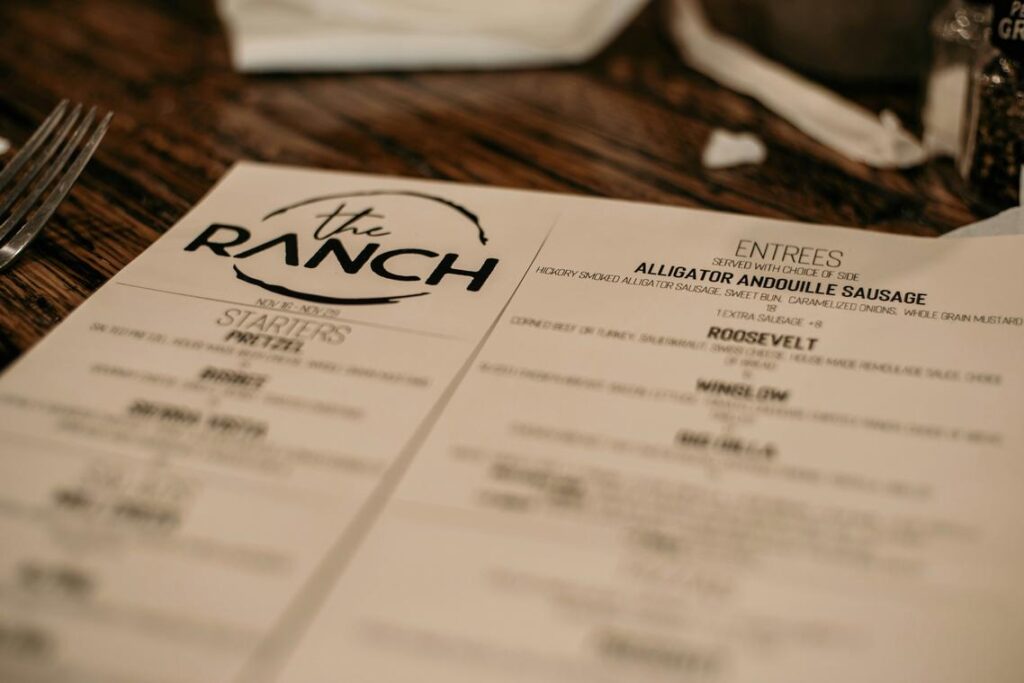
If you’re searching for creative ways to explore international cuisine without booking a flight, this guide to global tasting menu ideas is exactly what you need. From vibrant street food flavors to refined, multi-course cultural experiences, we’ll show you how to design a menu that captures the essence of different regions—all in one unforgettable spread.
Many home cooks and food enthusiasts struggle to balance authenticity with creativity when building an internationally inspired menu. This article solves that by breaking down flavor pairings, course progression, and smart cooking technique hacks that bring global dishes together seamlessly.
To ensure accuracy and inspiration you can trust, we’ve drawn on culinary research, traditional preparation methods, and time-tested fusion strategies used in professional kitchens. Whether you’re hosting a dinner party or simply expanding your culinary horizons, you’ll find practical, flavorful ideas that turn worldwide inspiration into a cohesive and impressive tasting experience.
Crafting a Menu That Travels the World
Designing a globally inspired menu isn’t about adding sushi next to tacos and calling it a day (we’ve all seen that chaos). It’s about curating a journey.
Start with clear recommendations:
- Choose 3–5 complementary cuisines that share flavor bridges (think Mediterranean and Middle Eastern).
- Build dishes around anchor ingredients—like citrus, chili, or fermented sauces—to unify the experience.
- Offer global tasting menu ideas to guide adventurous diners without overwhelming them.
Some argue authenticity suffers when you streamline flavors. True—purists may disagree. But balance wins. Prioritize accessibility, control food costs, and create a narrative flow from starter to dessert.
The “Flavor Compass”: A Framework for Global Pairings
Think of the Flavor Compass as a chef’s navigational tool. Instead of north, south, east, and west, you’re balancing five core tastes: sweet (natural or added sugars), sour (acidity from citrus or vinegar), salty (mineral seasoning), spicy (heat from chiles or peppercorns), and umami (savory depth from glutamates, like miso or aged cheese). When one direction dominates, the dish drifts off course (we’ve all tasted that one-note, overly salty soup).
Some chefs argue great cuisine should spotlight a single defining flavor. There’s truth there—think of a pristine bowl of tonkotsu ramen in Fukuoka, prized for its pork-bone umami intensity. However, even that broth relies on subtle sweetness and salinity to feel complete. Balance, not uniformity, is the goal.
East Asia: Sweet vs. Umami Depth
In Bangkok, green curry layers palm sugar sweetness, fish sauce salinity, bird’s eye chile heat, and lime-bright acidity. By contrast, Tokyo-style shoyu ramen leans into fermented soy umami, with restrained sweetness and gentle spice. The Compass helps you see why both feel harmonious despite different centers of gravity.
Latin America: Acid, Heat, Richness
Meanwhile, in Mexico City taquerías, lime cuts through fatty carnitas, while salsa heat awakens the palate. In Lima, ceviche’s sharp citrus cure meets creamy avocado or cancha crunch. Acidity prevents richness from overwhelming (pro tip: add acid last to fine-tune balance).
Chef’s Checklist
- Is one taste overpowering?
- Does acidity brighten richness?
- Is there a savory anchor?
- Does heat enhance, not mask?
Use this framework when crafting global tasting menu ideas so each course complements rather than competes.
Anchoring Your Menu: The Power of “Gateway” Dishes”

The “gateway” philosophy is simple: introduce bold, international flavors through familiar formats. A gateway dish is a recognizable food structure—like tacos, bowls, skewers, or flatbreads—that acts as a comfort anchor while the flavors do the adventurous work. Psychologists call this cognitive fluency—we prefer what feels easy to understand (Alter & Oppenheimer, 2009). When diners recognize the format, they’re more willing to explore what’s inside.
Take tacos. Most guests know the handheld formula: filling, sauce, garnish. But swap the expected carnitas for Korean bulgogi, topped with kimchi slaw and sesame crema. Or try Greek lamb tacos with tzatziki, feta, and pickled red onion. Same format, entirely different passport stamp. (It’s like a culinary exchange program, minus the jet lag.)
Bowls are even more versatile. A base of rice or grains becomes a blank canvas. A Japanese donburi layers simmered beef and egg over steamed rice. A Hawaiian poke bowl highlights raw fish, seaweed, and soy. An Indian curry bowl pairs spiced lentils or butter chicken with basmati and chutneys. Structurally identical, culturally distinct. That flexibility makes bowls ideal for testing global tasting menu ideas without overwhelming hesitant customers.
Some argue authenticity suffers when cuisines are “remixed.” That’s fair. But gateway dishes aren’t about dilution—they’re about ACCESS. They lower risk for the diner while preserving core ingredients and techniques.
For operators, the benefit is clear: higher trial rates, broader appeal, and repeat visits from guests who feel both safe and adventurous. If you’re unsure where to begin, start with how to start exploring new cuisines without feeling overwhelmed.
– CAPS
-
Fusion cooking sounds adventurous, but it often confuses diners because the rules are unclear. Let’s simplify it. The Golden Rule of Fusion is this: combine cuisines that share a bridge. A bridge can be a common ingredient, technique, or flavor profile. When two food traditions overlap, even slightly, the result feels intentional rather than chaotic.
Take Tex-Mex. It works because both Texas ranch cooking and Mexican cuisine rely on chiles, corn, beans, and grilled meats. Those shared elements create harmony. Now imagine “Italian-Thai” without a clear link. Basil appears in both, yes, but tossing pad thai flavors onto spaghetti without balance can feel random (like a playlist that jumps from opera to heavy metal).
• Ingredient bridge: Shared staples like rice, pork, or citrus.
• Technique bridge: Similar grilling, braising, or fermenting methods.
• Flavor bridge: Heat, acidity, or umami connecting the dots.
Technique-based fusion is often safest. French confit, which means slow-cooking meat in fat for tenderness, can transform duck for Asian-style bao buns. The method is French; the flavors lean East Asian. Clear logic, clear result.
On menus, explain the connection. Reference inspiration and technique so guests see intention. This approach elevates global tasting menu ideas in the section once exactly as it is given beyond novelty. (Pro tip: if you can’t explain the bridge in one sentence, rethink the dish.)
Sourcing globally starts with what I call the 80/20 pantry rule—the idea that 20% of ingredients deliver 80% of a cuisine’s identity. Think fish sauce in Thai cooking or gochujang in Korean dishes. In my view, investing in those anchors matters more than chasing exotic spice (your wallet will thank you).
At the same time, I believe seasonal produce should carry the plate. Swapping in summer corn for elote or local tomatoes for shakshuka boosts flavor and cuts costs. Some purists object, yet adaptation fuels creativity—and even global tasting menu ideas shine brighter that way. Pro tip: follow harvest calendars.
You now have a complete blueprint for creating a globally inspired menu that feels exciting and strategically sound. Still, I cannot promise every concept will resonate in every market; tastes shift, and data is sometimes contradictory. That said, structure beats guesswork. Start with:
- Audit your current lineup for gaps in flavor, format, and price.
- Choose one Gateway format to introduce a new profile.
- Test it through seasonal specials.
Meanwhile, use the Flavor Compass to refine balance, and explore global tasting menu ideas carefully. Ultimately, iteration, not perfection, drives profitable cohesion. Pro tip: document feedback and adjust quickly.
Bring Global Flavors to Your Table Tonight
You came here looking for fresh inspiration and practical ways to explore world cuisine with confidence. Now you have the tools, flavor pairings, and creative global tasting menu ideas to turn everyday meals into unforgettable culinary experiences.
No more repeating the same safe dishes. No more wondering how to balance bold spices or combine international flavors without overwhelming your guests. With the right techniques and inspiration, you can transform simple ingredients into vibrant, globally inspired plates that impress every time.
The next step is simple: choose one cuisine you’ve been curious about, build a small tasting menu around it, and experiment with one new technique this week. Start small, stay adventurous, and let your kitchen become your passport.
If you’re ready to elevate your cooking and explore more world flavor inspirations, dive into our latest recipes and technique guides now. Join thousands of passionate home cooks who are already expanding their skills and serving restaurant-worthy global dishes at home. Your next signature meal is just one recipe away.