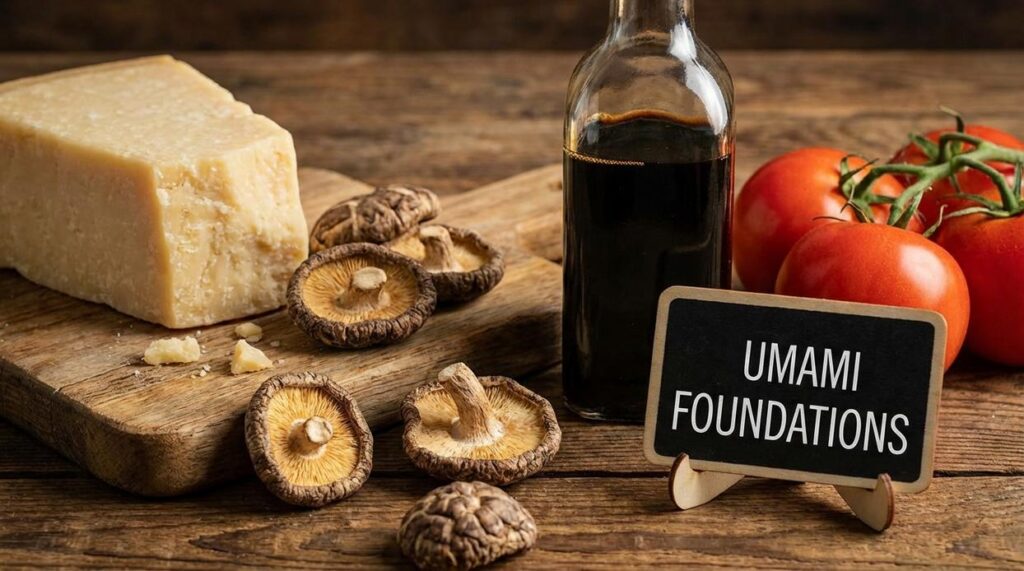
If you’ve ever wanted to recreate authentic Japanese flavors at home, it all starts with understanding the right japanese pantry essentials. From umami-rich miso and soy sauce to versatile mirin and dashi, these foundational ingredients shape everything from comforting soups to vibrant stir-fries and delicate sauces. This guide is designed to help you identify what truly belongs in your pantry, why each item matters, and how to use them confidently in everyday cooking.
We focus on practical, real-world application—breaking down each ingredient’s flavor profile, storage tips, and simple recipe ideas so you can cook with clarity instead of guesswork. Our insights draw on traditional culinary principles, hands-on kitchen testing, and globally respected cooking techniques to ensure accuracy and authenticity.
Whether you’re building your pantry from scratch or refining your existing staples, this article will show you exactly what to stock and how to turn those essentials into balanced, flavorful Japanese-inspired meals at home.
Unlocking the Flavors of Japan: Your Pantry Starter Kit
Japanese cuisine thrives on balance—umami (savory depth), subtle sweetness, and gentle saltiness working in harmony. Many assume you need specialty aisles’ worth of ingredients. Not true.
The Core Staples Compared
Think soy sauce vs. tamari: both salty, but tamari is richer and often gluten-free. Mirin vs. sugar? Mirin adds sweetness and gloss (that teriyaki shine you love). Dashi vs. stock? Dashi is lighter, built on seaweed and fish flakes, delivering pure umami without heaviness.
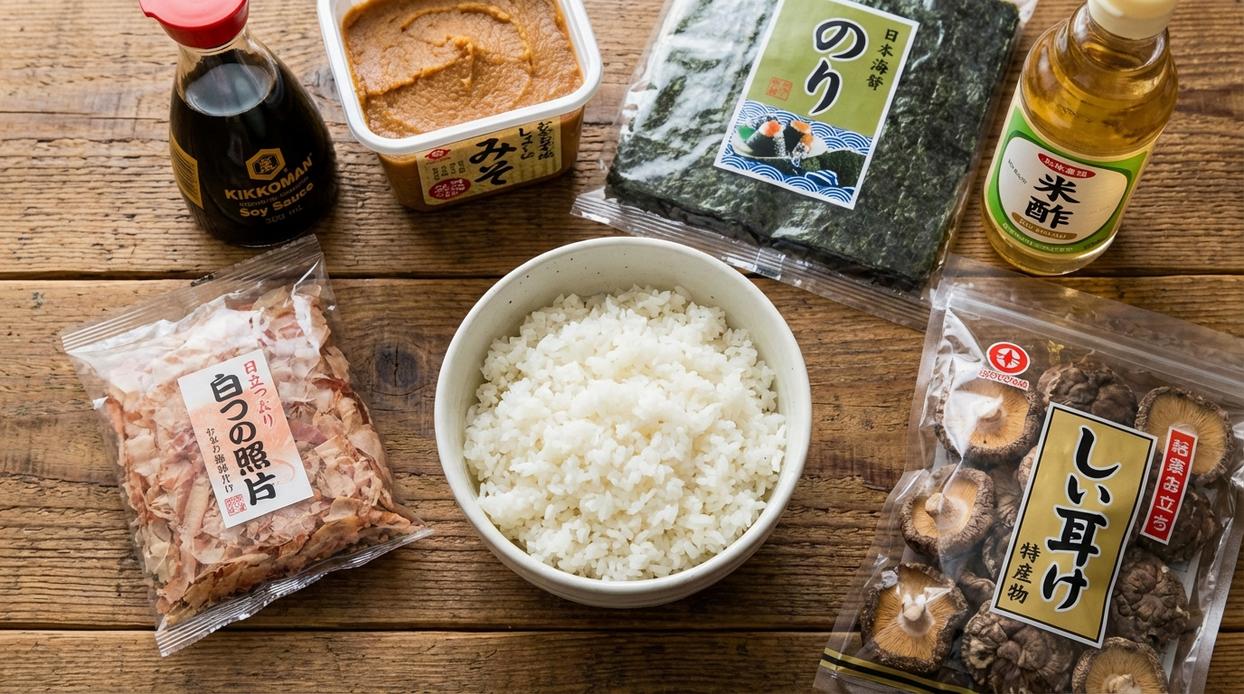
Start with japanese pantry essentials:
- Soy sauce
- Miso paste
- Mirin
- Rice vinegar
- Dashi
With these, miso soup or stir-fries become weeknight-easy (yes, really).
The Umami Foundation: Essential Liquids and Seasonings
I still remember the first time I tried to recreate a simple teriyaki at home. I had the chicken, the pan, and plenty of confidence. What I didn’t have? The right balance of liquids. The result was edible—but flat. That’s when I began to truly understand the power of japanese pantry essentials.
Soy Sauce (Shoyu)
First and foremost is soy sauce, or shoyu, the undisputed cornerstone. There are two main types: koikuchi (dark, all-purpose) and usukuchi (lighter in color but actually saltier). Koikuchi is your everyday workhorse—perfect for marinades, simmered dishes (nimono), and dipping sauces. Meanwhile, usukuchi is ideal when you want seasoning without deep color (think delicate broths). Essentially, soy sauce delivers umami—that savory “fifth taste” identified by scientist Kikunae Ikeda in 1908 (Journal of the Chemical Society of Tokyo).
Mirin
Next comes mirin, a sweet rice wine. Its natural sugars create the glossy sheen on teriyaki glazes and balance soy sauce’s saltiness. In addition, mirin helps neutralize strong odors in fish and meat—a trick I swear by when cooking salmon.
Sake
Unlike mirin, sake is dry, not sweet. It tenderizes proteins and adds layered depth to soups and steamed dishes like chawanmushi (a silky egg custard). Think of it as flavor scaffolding—it supports without overpowering.
Rice Vinegar (Komezu)
Finally, rice vinegar (komezu) is milder than most Western vinegars. It’s essential for sushi rice, bright cucumber sunomono, and crisp tsukemono pickles. And once you taste the difference, there’s honestly no going back.
Building Depth: Fermented Pastes and Dashi Components
Miso Paste
Miso is a fermented soybean paste and the backbone of countless Japanese dishes. Fermentation (a controlled microbial process that transforms flavor and preserves food) gives miso its savory depth. The main types include: shiro (white, mild, slightly sweet), aka (red, aged longer, bold and salty), and awase (a balanced blend of both).
Some argue miso is interchangeable across recipes. Not quite. Using aka miso in a delicate soup can overpower it (like blasting heavy metal at a tea ceremony). Instead:
- Use shiro for light dressings or seafood marinades.
- Choose aka for hearty stews or braised meats.
- Try awase for everyday miso soup.
Pro tip: Whisk miso with a little warm water before adding to soup to prevent lumps.
Dashi
Dashi is the foundational Japanese stock, built from layered umami (a savory taste linked to glutamates, identified by Kikunae Ikeda in 1908). It’s not one ingredient but a combination—most commonly kombu and katsuobushi. While some cooks rely on instant granules for convenience, traditional preparation delivers cleaner, more nuanced flavor.
Kombu (Dried Kelp)
Kombu is rich in natural MSG (monosodium glutamate), responsible for deep savoriness (Journal of Food Science, 2014). To use it:
- Wipe gently with a damp cloth.
- Soak in cold water for 20–30 minutes.
- Heat slowly and remove just before boiling.
Katsuobushi (Bonito Flakes)
These dried, fermented, smoked tuna flakes add smoky intensity. Sprinkle over okonomiyaki or takoyaki for aroma and movement (they “dance” from heat). Mastering these japanese pantry essentials builds flavor foundations comparable to exploring latin american cooking basics for beginners.
The Heart of the Meal: Rice, Noodles, and Pantry Staples
At the center of many Japanese meals is Japanese short-grain rice (uruchimai). This is not the fluffy, separate-grain rice used in other cuisines. It’s intentionally sticky and slightly chewy, thanks to its higher starch content. That texture isn’t a mistake—it’s what allows you to lift it with chopsticks or shape it into onigiri (rice balls) and sushi. (If your rice falls apart, something went wrong.)
Then there are the noodles—often confused, but easy to distinguish once you know how. Udon are thick, soft wheat noodles usually served in hot broth. Soba are thinner buckwheat noodles with a nutty flavor, enjoyed hot or chilled. Ramen are wavy wheat noodles paired with rich, deeply seasoned broth. Same country, three totally different experiences.
A key flavor booster is toasted sesame oil. Think of it as a finishing touch, not a frying oil. Its bold, nutty aroma fades under high heat, so it’s drizzled into soups or whisked into dressings at the end.
Finally, sesame seeds (goma) add crunch and fragrance. White seeds are mild and toasty; black seeds taste slightly earthier. Together, these japanese pantry essentials create balance in everyday dishes.
Finishing Touches: Essential Aromatics and Garnishes
When it comes to japanese pantry essentials, the smallest additions often make the biggest impact. First, always keep nori (dried seaweed) on hand. These thin, roasted sheets wrap sushi and onigiri beautifully, but you can also slice them into ribbons for ramen or rice bowls (think of it as edible confetti, only savory).
Next, choose scallions (negi) for brightness. Thinly sliced, they add a crisp, pungent bite to miso soup, tofu, and grilled meats. Finally, don’t skip ginger. Whether grated, pickled (gari), or julienned, it delivers a clean, spicy lift that balances rich flavors. Pro tip: add ginger at the end for maximum aroma.
Your journey into Japanese cooking starts with confidence, not confusion. Think of your pantry as a toolkit: soy sauce, mirin, and dashi powder are the core japanese pantry essentials that unlock flavor. Start small and follow this simple plan:
- Whisk one tablespoon soy sauce, one tablespoon mirin, and a half-teaspoon dashi powder with warm water.
- Simmer with chicken, fish, or tofu for ten minutes.
Taste and adjust; add sugar for sweetness or water to mellow saltiness. Pro tip: make extra and refrigerate for quick weeknight bowls. Suddenly, miso soup or teriyaki-style glaze feels totally doable.
Bring Authentic Japanese Flavor Into Your Kitchen Today
You came here looking to better understand japanese pantry essentials and how they transform everyday cooking into something deeply flavorful and authentic. Now you know which core ingredients matter, why they matter, and how they work together to create balance, umami, and depth.
The frustration of recipes that don’t quite taste “right” often comes down to missing the proper foundation. Without the right staples, even the best techniques fall flat. Stocking your kitchen with the correct essentials eliminates guesswork and gives you consistent, restaurant-quality results at home.
Now it’s time to act. Audit your pantry, pick up the key ingredients you’re missing, and start experimenting with simple dishes that let those flavors shine. Thousands of home cooks are already elevating their meals by mastering global flavor foundations—don’t get left behind.
Build your pantry with intention, cook with confidence, and let authentic Japanese flavors become a staple in your everyday meals.