The secret to authentic global cuisine isn’t just in the spices—it’s in the sizzle. Choosing the right oil can transform a simple dish into something that truly reflects its cultural roots. Yet many home cooks rely on one or two oils for everything, leading to flat flavors or burnt meals when smoke points are pushed too far. This world cooking oils guide is designed to change that. You’ll discover why certain oils define Mediterranean, Asian, and Latin American dishes, and gain the confidence to match each oil to the right technique—so every meal tastes exactly as it should.
The Mediterranean Pantry: Olive, Grapeseed, and Sunflower
A well‑stocked Mediterranean pantry starts with choosing the right oil for the right job. Not all oils behave the same under heat, and understanding this is the difference between a bright, balanced dish and one that tastes flat (or worse, burnt).
Extra Virgin Olive Oil (EVOO) is unrefined olive oil extracted without high heat or chemicals. It has a lower smoke point—typically around 375°F (190°C) according to the International Olive Council—and a bold, peppery flavor. Use it for:
- Salad dressings
- Drizzling over grilled vegetables
- Finishing pasta or soups
Avoid high-heat frying with EVOO; excessive heat degrades its antioxidants and delicate aromas. Pro tip: Add it after cooking to preserve its complexity.
Light or Refined Olive Oil has been filtered and processed to remove strong flavors and impurities. With a higher smoke point (around 465°F/240°C), it’s your everyday sautéing and roasting oil. Choose this when you want olive oil’s benefits without overpowering herbs or spices.
For intense heat, reach for grapeseed or sunflower oil. Both are neutral oils with high smoke points, making them ideal for searing fish or chicken. They let Mediterranean staples—garlic, lemon, oregano—shine.
If you’re building your kitchen basics, think of this trio as your personal world cooking oils guide—each bottle with a clear, delicious purpose.
Asian Cuisine Essentials: From Toasted Sesame to High-Heat Peanut
I’ll start with a mistake. The first time I cooked a stir-fry, I used toasted sesame oil as my base cooking fat. Within minutes, my kitchen smelled amazing—and then slightly burnt. That was my lesson: toasted sesame oil is a finishing oil, meaning it’s added at the end of cooking for aroma, not used for high heat. Its intense, nutty flavor elevates noodle bowls, marinades, and soups (a few drops can transform an entire dish). A little truly goes a long way.
Next came peanut oil. I once tried substituting olive oil for a proper stir-fry and wondered why it tasted flat. Peanut oil has a high smoke point—typically around 450°F (232°C), according to the USDA—which makes it ideal for deep-frying and achieving wok hei, the “breath of the wok.” That subtle nuttiness? It’s part of the magic.
Meanwhile, coconut oil taught me the importance of labels. Virgin coconut oil carries a pronounced coconut flavor, perfect for Thai curries or Sri Lankan stews. Refined coconut oil, on the other hand, is neutral and better suited for general frying. Mixing them up can shift a dish’s flavor dramatically (sometimes not in a good way).
Finally, vegetable or canola oil serves as the reliable backup. Neutral oils let spices, aromatics, and sauces shine without interference.
If there’s one takeaway from any world cooking oils guide, it’s this: match the oil to the heat and flavor profile. Pro tip: keep at least one finishing oil and one high-heat oil in your pantry at all times.
Latin American Staples: Avocado, Corn, and Lard
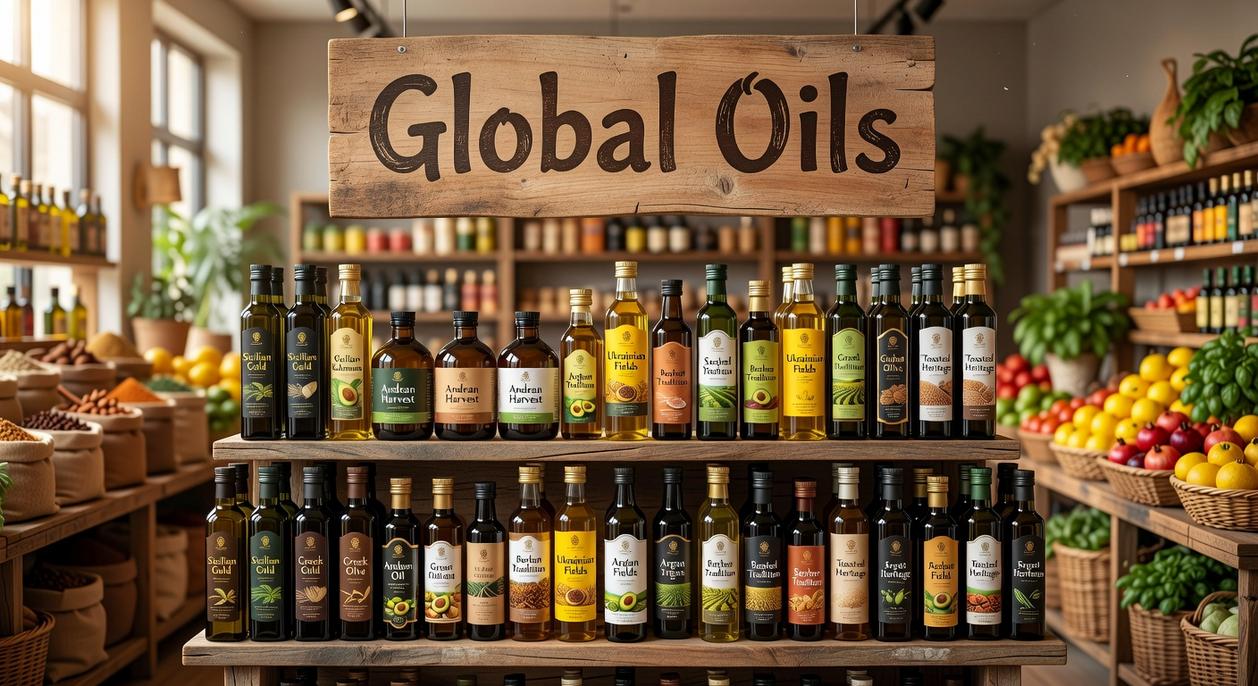
Avocado Oil: Pour it into a hot skillet and you’ll notice how calmly it handles the heat. With one of the highest smoke points among plant-based oils (around 520°F, according to the American Oil Chemists’ Society), it’s ideal for searing carne asada or frying plantains. The aroma is faintly grassy, the taste smooth and buttery, never loud. Some argue it’s too mild for bold Latin dishes—but that neutrality lets chilies, garlic, and cumin shine (like a good bass player who doesn’t steal the solo).
Corn Oil (Aceite de Maíz): Light, golden, and nearly scentless, it crackles gently when tortillas hit the pan. Affordable and neutral, it’s a frying workhorse across kitchens. Critics say it lacks character. True—but sometimes you want crisp texture without added flavor.
Lard (Manteca): Silky and snow-white, lard melts into masa, creating tamales that taste deeply savory and tender. While some avoid it for health reasons, moderation matters (Harvard T.H. Chan School of Public Health). For more context, see understanding global grains from quinoa to basmati and any solid world cooking oils guide.
The Science of Sizzle: Matching the Oil to the Heat
Why Smoke Point Changes Everything
What is a smoke point? Simply put, it’s the temperature at which an oil stops shimmering and starts smoking. Once it smokes, it breaks down, releases free radicals (unstable molecules linked to cellular damage, according to the National Institutes of Health), and leaves your food tasting bitter. In my kitchen, that acrid smell is the culinary equivalent of a fire alarm—ignore it at your peril.
Now, some argue smoke point is overrated and that flavor should always come first. I get that. Extra virgin olive oil adds gorgeous depth. But if you’re searing steak at high heat, using it is, frankly, a mistake. Flavor means nothing if it’s burnt.
So here’s my practical take—think of this as your world cooking oils guide in miniature:
- No/Low Heat (Dressings, Drizzling): Extra Virgin Olive Oil, Toasted Sesame Oil, Flaxseed Oil.
- Medium Heat (Sautéing, Baking): Butter, Virgin Coconut Oil, Canola Oil.
- High Heat (Searing, Frying): Avocado Oil, Peanut Oil, Grapeseed Oil, Refined Olive Oil, Refined Coconut Oil.
Ultimately, matching oil to heat isn’t fussy—it’s foundational. Choose wisely, and your food rewards you with clean flavor and perfect texture (and no smoky kitchen aftermath).
Your Kitchen’s New Flavor Passport
You came searching for clarity in the oil aisle, and now you have it. This world cooking oils guide has shown you how flavor, smoke point, and cultural roots determine whether a dish thrives or fails. No more second-guessing. No more wasting ingredients because the wrong oil overpowered or burned your meal.
The frustration of ruining a great recipe with the wrong fat ends here.
Now take action: choose one new oil this week and cook a dish true to its origins. Elevate your meals with confidence and turn every pan into a passport stamp. Your next unforgettable flavor starts today.