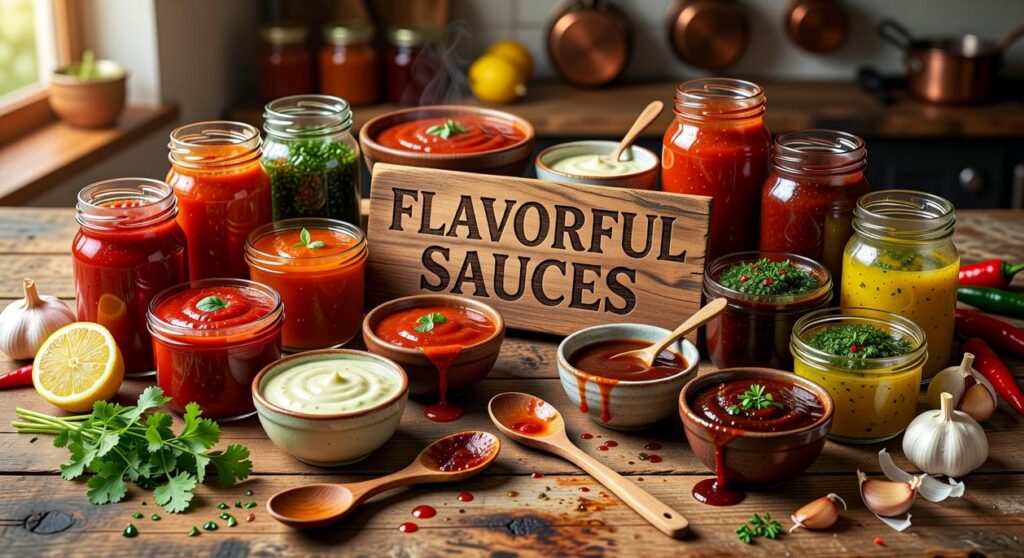
If you’re searching for ways to bring deeper flavor, heat, and richness into your meals, understanding african cooking sauces is the perfect place to start. Across the continent, sauces are more than side components—they’re the heart of the dish, transforming simple grains, vegetables, and proteins into unforgettable culinary experiences. This article is designed to guide you through essential ingredients, regional variations, and practical techniques so you can confidently recreate authentic flavors at home.
We’ve carefully studied traditional recipes, regional cooking methods, and ingredient pairings used across West, East, North, and Southern Africa to ensure accuracy and depth. From peanut-based stews to pepper-forward blends and slow-simmered tomato sauces, you’ll discover how these foundations shape iconic dishes and how to adapt them to your own kitchen.
By the end, you’ll not only understand the role of these sauces but also know exactly how to use them to elevate everyday cooking with bold, global flavor.
Unlock a Continent of Flavor: Your Guide to African Cooking Sauces
African cuisine isn’t one thing; it’s a mosaic of regions, histories, and spice philosophies (yes, philosophies). Yet many home cooks freeze at the starting line. Where do you begin?
In my experience, you start with african cooking sauces. A sauce is a flavor base that anchors a dish, like West African peanut stew’s groundnut blend or North Africa’s harissa, a chili paste brightened with citrus.
Critics argue these flavors are too bold for weeknights. I disagree. Start small; drizzle, taste, adjust. Pro tip: toast spices for depth.
The Foundation of Flavor: What Makes These Sauces Unique?
At first glance, many African sauces may seem ingredient-driven. However, their true distinction lies in how foundational elements interact, layer by layer, to build depth.
Aromatics & Spices
To begin with, aromatics form the backbone. Ginger and garlic create warmth and bite, while scotch bonnet peppers add fruity heat (the kind that sneaks up on you). In East Africa, berbere—a complex Ethiopian spice blend of chili, fenugreek, and warming spices—delivers heat balanced with sweetness and earthiness. Unlike generic “spicy sauces,” these blends are toasted, bloomed in oil, or ground fresh, which dramatically shifts flavor release.
Essential Bases
Equally important, the base determines texture and body.
| Ingredient | Flavor Role | Texture Impact |
|————|————|—————-|
| Tomatoes | Acidity, umami | Smooth, stew-like |
| Onions | Sweet depth | Thickened base |
| Groundnuts | Nutty richness | Creamy body |
| Palm oil | Earthy intensity | Silky mouthfeel |
Groundnuts, for instance, emulsify sauces naturally—no cream required (a technique often overlooked by competitors).
The Concept of Regionality
Meanwhile, regionality shapes identity. West African combinations favor groundnuts and palm oil for richness, whereas North African profiles lean toward olive oil, cumin, and preserved elements. Ultimately, african cooking sauces stand apart because technique—not just ingredients—defines them.
Five Must-Try Sauces to Transform Your Everyday Meals
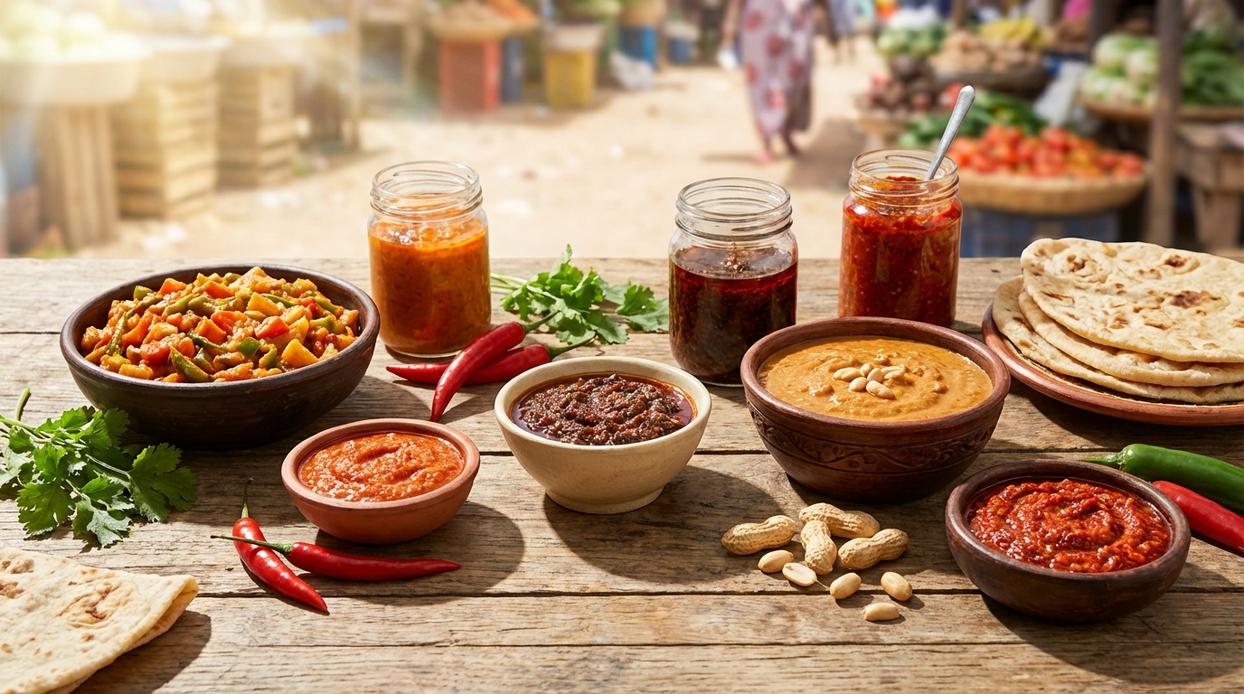
Ever tasted a sauce so good you paused mid-bite and said, “Wait…what is this?” That’s the power of deeply rooted culinary tradition. Across the continent, african cooking sauces deliver bold flavor with everyday ingredients (and yes, they’ll ruin bland chicken forever).
Here are five worth clearing pantry space for:
-
Shito (Ghana)
The ultimate umami bomb.
Made with dried shrimp, chili peppers, ginger, garlic, and oil, Shito is spicy, smoky, and intensely savory. Food writer Zoe Adjonyoh once described it as “a condiment you’ll start putting on absolutely everything.” She’s not exaggerating. Spoon it over rice, grilled fish, or even scrambled eggs. One home cook told me, “I put Shito on avocado toast and never looked back.” (Brunch will never be the same.)
Pro tip: Warm it slightly before serving to release its aroma. -
Chermoula (North Africa)
The zesty herb powerhouse.
Think parsley, cilantro, garlic, cumin, paprika, olive oil, and plenty of lemon. The result? Fresh, citrusy brightness with a garlicky backbone. Traditionally used as a marinade for seafood, Chermoula clings beautifully to shrimp and whole fish. “It tastes like sunshine and sea breeze,” one chef joked during a cooking demo. Drizzle it over roasted carrots or potatoes for instant upgrade. -
Piri-Piri (Southern & Eastern Africa)
The fiery, vibrant chili sauce.
Born from African bird’s eye chilies blended with vinegar, garlic, and citrus, Piri-Piri delivers sharp, tangy heat. It’s famous for grilled chicken, popularized globally by Portuguese-African cuisine (BBC Good Food notes its Mozambican roots). “Make it hot,” a grill master once insisted, “but keep the lemon bold.” Brush it onto shrimp or use as a finishing splash on roasted corn. -
Groundnut Sauce (West Africa)
The rich and nutty comfort sauce.
Creamy peanut butter simmers with tomatoes, onions, garlic, and spices to create Maafe, a deeply satisfying stew. It’s savory, slightly sweet, and velvety. “This is Sunday food,” a Senegalese mother shared, “the kind that brings everyone to the table.” Simmer chicken or hearty vegetables until tender and spoon generously over rice. -
Yassa (Senegal)
The tangy caramelized onion sauce.
Slow-cooked onions melt into sweetness, balanced by sharp mustard and bright lemon juice. The classic Chicken Yassa braises in this mixture until deeply flavorful. As one cook laughed, “If it doesn’t make you pucker a little, add more lemon.”
If you enjoy building global flavor confidence, explore french flavor pairings every cook should know to see how cross-cultural techniques elevate your kitchen game.
Bringing the Flavors Home: How to Use African Sauces in Your Kitchen
Bold flavors don’t have to mean complicated cooking. With african cooking sauces, you can transform everyday meals using a few smart techniques.
As a Quick Marinade
Think of marinade time like a volume knob: delicate proteins need less, hearty ones need more. Fish only needs about 30 minutes, shrimp even less. Chicken benefits from 2 hours, while beef or lamb can go 4 hours or overnight for deeper penetration. (Any longer for fish and you’ll have ceviche.) The acids, aromatics, and spices tenderize while building layers of flavor you’d otherwise spend hours developing.
As an Effortless Simmer Sauce
Try the “one-pan wonder” method: brown your protein, pour in the sauce plus a splash of stock, cover, and simmer. In 20–30 minutes, you’ve got a rich, stew-like dish without juggling multiple pots. This technique locks in moisture and infuses every bite.
As a Finishing Drizzle or Dip
Swirl sauce into yogurt for a quick dip, or drizzle over roasted vegetables and grilled meats. A spoonful at the end works like a flavor spotlight (yes, your Tuesday rice bowl deserves drama).
Inspire Creative Fusions
Stir Shito into fried rice or noodles. Whisk Chermoula with olive oil and lemon for a vibrant salad dressing base. Pro tip: start small—these sauces are bold by design.
Your Next Culinary Adventure Awaits
Ever feel stuck cooking the same three dinners on repeat? What if one jar could flip the script? The right sauce is the antidote to culinary boredom. With african cooking sauces in your fridge, you unlock layers of spice, smoke, and brightness without buying a dozen new ingredients. Skeptical? Maybe you’ve heard that “authentic” flavors demand complicated techniques. But isn’t experimentation the point of home cooking? Pick one sauce that excites you and drizzle, marinate, or stir it into tonight’s meal. Discovery can be simple—and deliciously yours. Start small and savor the journey ahead.
Bring Global Flavor Into Your Kitchen Today
You set out to discover how to elevate your meals with deeper, richer global flavors—and now you have the inspiration and practical ideas to do exactly that. From layering spices to mastering texture and balance, you’ve seen how african cooking sauces can transform simple ingredients into unforgettable dishes.
If you’ve ever felt stuck making the same meals on repeat or struggled to capture authentic international flavor at home, this is your turning point. The right techniques and flavor foundations eliminate guesswork and bring confidence back to your cooking.
Now it’s time to take action. Choose one recipe, experiment with one new sauce, and start building your own global flavor toolkit today. Thousands of home cooks are already upgrading their kitchens with trusted, flavor-packed guidance—don’t get left behind. Dive in, try something bold, and turn your next meal into a world-class experience.