Core Method #1: The Zero-Waste Kitchen Philosophy
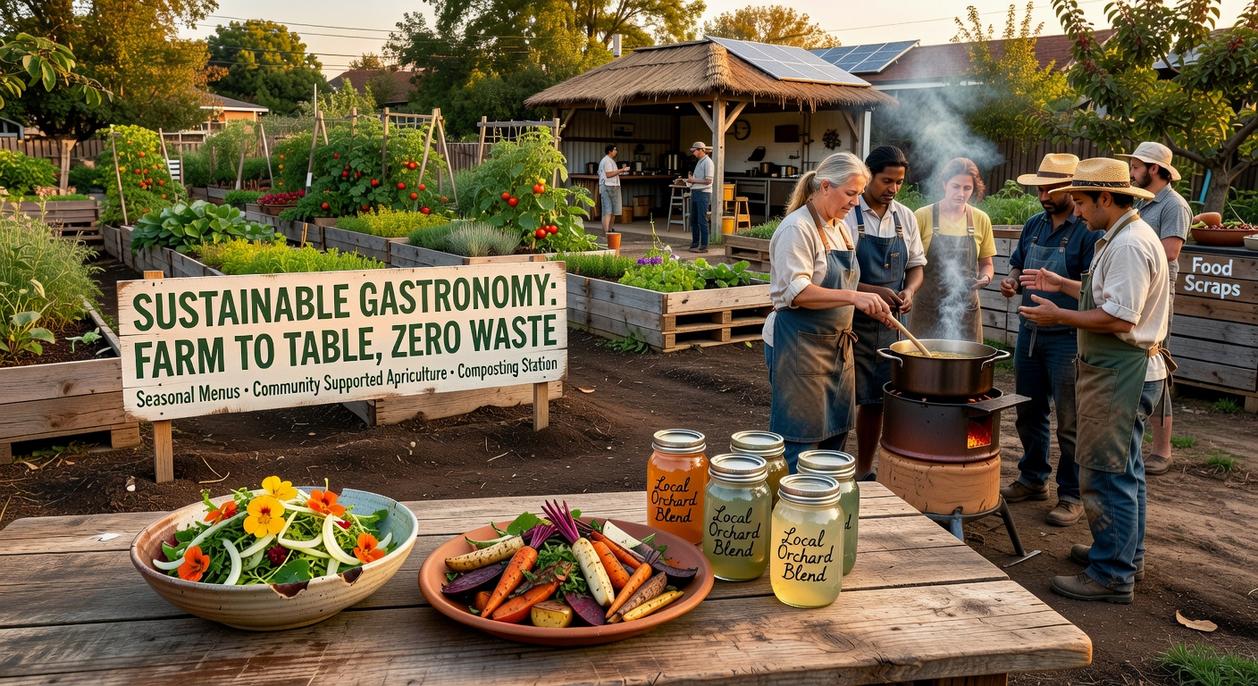
If you want to cut food waste dramatically, start before you even step into the store. Plan before you purchase. Meal planning simply means deciding in advance what you’ll cook for the week and building a precise shopping list around those meals. It sounds basic (because it is), but it works. The USDA estimates that 30–40% of the U.S. food supply is wasted, much of it at the household level (USDA). A tight list keeps impulse buys—and future trash—out of your cart.
Next, master food storage. Proper refrigeration techniques can double the life of your produce. Store leafy greens with a dry paper towel to absorb moisture. Keep herbs upright in a glass of water like a bouquet. Grains and flour? Airtight containers to prevent spoilage. And when dairy nears its date, freeze it for cooking. These small shifts align with sustainable dining practices and save real money over time. Pro tip: label leftovers with dates; “mystery container roulette” rarely ends well.
Finally, embrace root-to-stem and nose-to-tail cooking. Broccoli stalks make excellent soups. Carrot tops can become pesto. Citrus zest infused into oil adds brightness to marinades. Some argue this takes extra effort. I disagree. It’s not extra—it’s complete cooking. Think of it as unlocking flavor you already paid for (your wallet will thank you).
Core Method #3: Embracing a Plant-Forward Plate
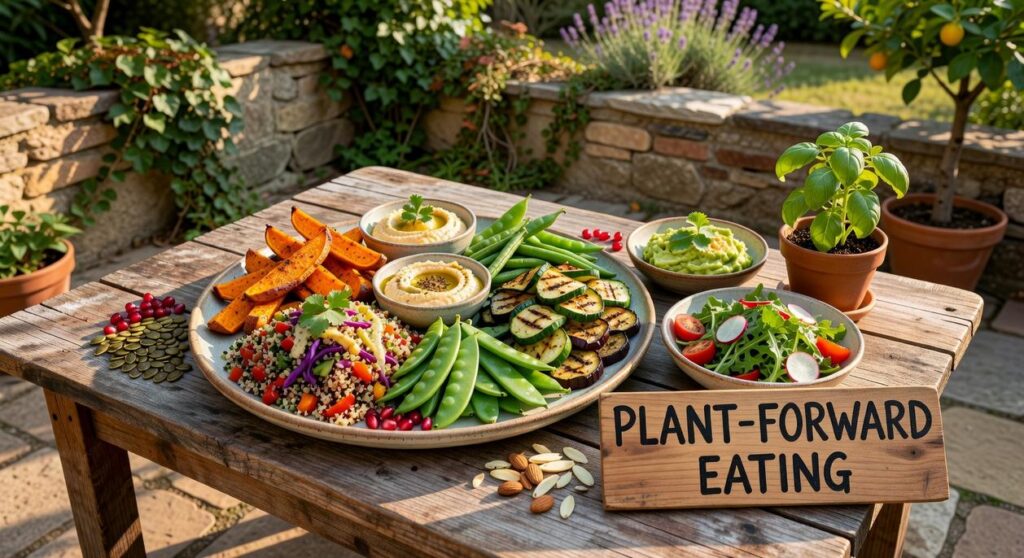
Let’s clear something up first: plant-forward doesn’t mean plant-only. A flexitarian approach—eating mostly plants while occasionally including meat—offers a middle ground between steak-every-night and strict veganism. Think of it as progress over perfection (because yes, perfection is exhausting).
Some critics argue that unless you eliminate meat entirely, the climate impact is negligible. Not quite. According to the UN Food and Agriculture Organization, livestock accounts for about 14.5% of global greenhouse gas emissions. Reducing high-impact meats—especially beef—can meaningfully lower your footprint, even if you don’t go fully vegetarian.
A vs B: Small Swaps, Big Difference
- Beef burger vs lentil burger: Lentils require significantly less land and water while delivering fiber and protein.
- Chicken curry vs chickpea curry: Chickpeas hold flavor beautifully and slash emissions compared to poultry.
- Meat-heavy chili vs bean-based chili: Same smoky comfort, lighter environmental load.
In other words, it’s not deprivation—it’s substitution.
Meanwhile, global cuisines make this shift deliciously easy. Mediterranean mezze, Indian dal, and Southeast Asian vegetable stir-fries are naturally plant-rich and deeply satisfying (no sad salads required). Drawing from these traditions supports sustainable dining practices while expanding your flavor vocabulary.
Pro tip: Start with one plant-based dinner per week, then build from there. Small, consistent swaps beat dramatic overhauls every time.
Your Sustainable Dining Journey Starts Now
You came here looking for practical ways to make your everyday meals better for the planet. Now, you have a complete toolkit to make your dining habits significantly more environmentally friendly for the long term.
The biggest misconception about sustainable dining practices is that they’re restrictive or complicated. They’re not. They’re rooted in mindful choices, creative cooking, and reducing unnecessary waste—without sacrificing flavor, culture, or enjoyment.
By focusing on smart sourcing, minimizing food waste, and embracing more plant-forward meals, you create a meaningful impact with every bite. Small, consistent changes compound into powerful environmental results.
Don’t let good intentions fade. Choose one strategy from this guide and implement it this week. Lasting change begins with a single conscious step—start today and turn your table into a force for good.

 There is a specific skill involved in explaining something clearly — one that is completely separate from actually knowing the subject. Mark Bowensouler has both. They has spent years working with world flavor inspirations in a hands-on capacity, and an equal amount of time figuring out how to translate that experience into writing that people with different backgrounds can actually absorb and use.
Mark tends to approach complex subjects — World Flavor Inspirations, Culinary Pulse, Cooking Technique Hacks being good examples — by starting with what the reader already knows, then building outward from there rather than dropping them in the deep end. It sounds like a small thing. In practice it makes a significant difference in whether someone finishes the article or abandons it halfway through. They is also good at knowing when to stop — a surprisingly underrated skill. Some writers bury useful information under so many caveats and qualifications that the point disappears. Mark knows where the point is and gets there without too many detours.
The practical effect of all this is that people who read Mark's work tend to come away actually capable of doing something with it. Not just vaguely informed — actually capable. For a writer working in world flavor inspirations, that is probably the best possible outcome, and it's the standard Mark holds they's own work to.
There is a specific skill involved in explaining something clearly — one that is completely separate from actually knowing the subject. Mark Bowensouler has both. They has spent years working with world flavor inspirations in a hands-on capacity, and an equal amount of time figuring out how to translate that experience into writing that people with different backgrounds can actually absorb and use.
Mark tends to approach complex subjects — World Flavor Inspirations, Culinary Pulse, Cooking Technique Hacks being good examples — by starting with what the reader already knows, then building outward from there rather than dropping them in the deep end. It sounds like a small thing. In practice it makes a significant difference in whether someone finishes the article or abandons it halfway through. They is also good at knowing when to stop — a surprisingly underrated skill. Some writers bury useful information under so many caveats and qualifications that the point disappears. Mark knows where the point is and gets there without too many detours.
The practical effect of all this is that people who read Mark's work tend to come away actually capable of doing something with it. Not just vaguely informed — actually capable. For a writer working in world flavor inspirations, that is probably the best possible outcome, and it's the standard Mark holds they's own work to.