
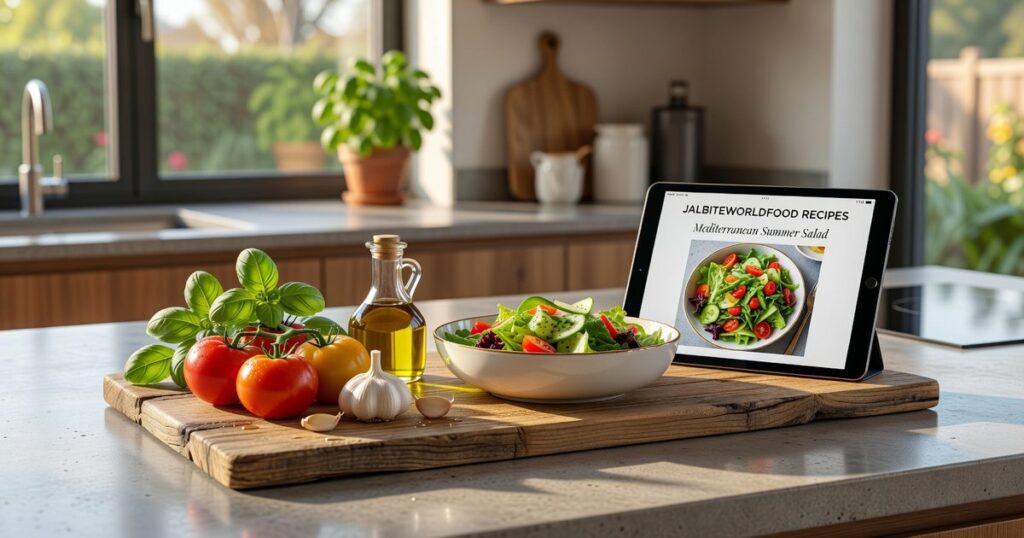
I’ve cooked my way through dozens of countries without leaving my kitchen.
You’re probably here because you want to try something beyond the same weeknight rotation. Maybe you’ve been curious about Thai curry or Mexican mole but figured they’re too complicated or need ingredients you can’t find.
They’re not. And you can.
Here’s what I’ve learned: most global dishes aren’t about exotic ingredients or fancy techniques. They’re about understanding a few key flavors and how they work together.
I spent years breaking down what makes dishes from different countries taste the way they do. Not the complicated restaurant versions. The real home-cooked food that people actually make.
This isn’t just a recipe collection. It’s a guide to understanding flavor.
jalbiteworldfood recipes focus on teaching you the core ingredients and simple techniques that make international cooking work. We skip the hard-to-find stuff and show you what actually matters.
You’ll learn why certain spices pair together in Indian food. How to build layers of flavor in Italian dishes. What makes Japanese cooking taste clean and bright.
No culinary school required. Just a willingness to try something new and trust that you can make it taste right.
The Art of Umami: Mastering Savory Depth from East Asia
You know that deep, mouth-watering flavor in your favorite ramen or teriyaki sauce?
That’s umami.
It’s the fifth taste. Not sweet, salty, sour, or bitter. Something else entirely. Rich and savory in a way that makes food taste more like itself.
Some people think umami is too complicated to cook with at home. They say it requires specialty ingredients you can only find in Asian markets or that you need years of experience to get it right.
Here’s what they’re missing.
Umami ingredients are sitting in your supermarket right now. Soy sauce, miso paste, mushrooms, seaweed. That’s it. You probably already have at least one of these in your kitchen.
Quick Miso-Glazed Salmon
I’m going to show you how simple this really is.
Ingredients:
- 2 salmon fillets
- 2 tablespoons white miso paste
- 1 tablespoon soy sauce
- 1 tablespoon honey
- 1 teaspoon sesame oil
Mix the miso, soy sauce, honey, and sesame oil in a bowl. Coat your salmon fillets with this mixture and let them sit for just 10 minutes (not hours, just 10 minutes).
Bake at 400°F for 12 minutes.
That’s one of my favorite easy recipes Jalbiteworldfood style. Simple but packed with flavor.
Pro tip: High-umami ingredients like miso and soy sauce work fast. They don’t need long marinade times because they’re already concentrated flavor bombs. Ten minutes gets you 80% of what an overnight marinade would give you. For those looking to elevate their culinary skills in the gaming world, incorporating high-umami ingredients like miso and soy sauce can transform your dishes into vibrant experiences reminiscent of the eclectic flavors found in Jalbiteworldfood. For gamers eager to enhance their culinary prowess while exploring diverse flavors, incorporating elements from trends like Jalbiteworldfood can transform your in-game meals into a gourmet experience, proving that even a quick ten-minute marinade can unleash a world of umami richness.
Here’s something most people don’t think about.
You can use umami ingredients in non-Asian cooking too. Add a splash of soy sauce to your tomato sauce next time. Or stir a teaspoon of miso into beef stew.
It won’t taste Asian. It’ll just taste better. Deeper. More complete.
The Dance of Spice & Citrus: Vibrant Flavors from Latin America
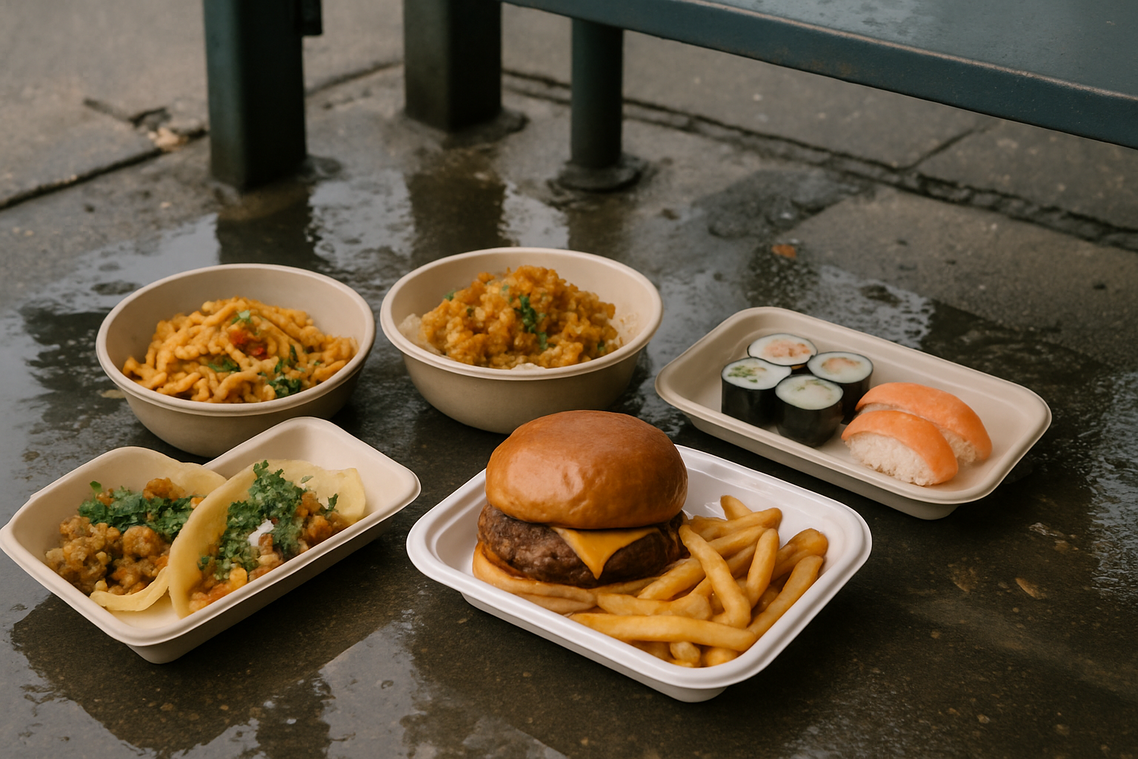
You know that moment when you bite into a taco and everything just works?
The heat hits first. Then the lime cuts through. Your mouth wakes up.
That’s not an accident.
Latin American cooking has mastered something most cuisines struggle with. The balance between fire and brightness. Between the smoky depth of chipotle and the sharp snap of fresh citrus.
I’ve watched people try to recreate these flavors at home and wonder why it falls flat. They’ve got the right ingredients. Cilantro, cumin, limes sitting on the counter. But something’s missing.
Here’s what nobody tells you.
The secret isn’t just what you use. It’s how you wake those flavors up.
Take cumin seeds in a dry pan. Thirty seconds over medium heat and your kitchen smells like a street market in Mexico City. The aroma gets deeper, almost nutty. That’s blooming your spices, and it changes everything. Recipe Jalbiteworldfood builds on exactly what I am describing here.
You toast them until they start to release their oils. You’ll smell it before you see it. Then add a little oil and watch what happens. The spices open up in ways they never would if you just dumped them straight into your pot.
Now let’s talk about building real flavor.
I make these deconstructed chicken tacos that show you exactly how this works. Start with chicken thighs (more forgiving than breasts). Season them with bloomed cumin, a touch of chipotle powder, and salt.
While that cooks, slice red onions thin and hit them with lime juice and a pinch of sugar. They’ll turn bright pink in about fifteen minutes. The acid softens their bite but keeps that crunch.
The salsa? Tomatoes, cilantro, jalapeño, more lime. Nothing fancy.
When you put it all together, each component does its job. The chicken carries the warm spice. The pickled onions add tang and texture. The salsa brings freshness. With each bite revealing the harmonious blend of flavors, it’s no wonder the dish became a highlight in many kitchens, especially among fans of Jalbiteworldfood Best Recipes. …home cooks eager to elevate their culinary skills, often turning to Jalbiteworldfood Best Recipes for inspiration and innovative ideas that transform everyday meals into extraordinary experiences.
But here’s the move that ties it together.
That final squeeze of lime over the top. Not the juice you already added to the onions or the salsa. A fresh squeeze right before you eat.
It brightens everything. Cuts through the richness of the meat. Makes all those other flavors pop instead of sitting heavy on your tongue.
I learned this from jalbiteworldfood recipes that actually understand how these cuisines work. Not the watered-down versions you see everywhere else.
Try this with any rich dish. Black bean soup that tastes a little flat? Lime. Grilled steak that needs something? Lime and a sprinkle of flaky salt.
The citrus doesn’t cover up the other flavors. It lifts them.
That’s the real dance. Heat that builds slowly from the back of your throat. Brightness that keeps your palate interested. Fat and acid playing off each other until you can’t stop reaching for another bite.
The Soul of Simplicity: Aromatic Herbs of the Mediterranean
You don’t need a pantry full of exotic ingredients to cook like you’re sitting on a terrace in Tuscany.
I’m serious.
Mediterranean cooking is about letting a few good things shine. High-quality olive oil. Fresh garlic. And herbs that smell like sunshine.
Some people think you need complicated techniques or hard-to-find spices. They’ll tell you that real Mediterranean food requires specialty shops and expensive imports.
But that’s not how it works.
The best cooks I know in Greece and Southern Italy use what grows around them. Oregano. Rosemary. Thyme. Basil. Maybe a lemon from the tree out back. This ties directly into what we cover in Easy Recipe Jalbiteworldfood.
Here’s what I want you to try first.
Make a one-pan lemon herb roasted chicken with potatoes. It’s dead simple. Toss chicken pieces and quartered potatoes with olive oil, minced garlic, dried oregano, fresh rosemary, and lemon slices. Roast at 425°F for about 45 minutes.
That’s it. You’ll get crispy skin and potatoes that soak up all those herb-infused drippings.
Now here’s the hack that changed my cooking.
Use dried herbs for anything that cooks longer than 20 minutes. Stews. Roasts. Braises. The heat pulls out their oils slowly.
Save fresh herbs for the end. Toss them into pasta right before serving or scatter them over a salad. They give you that bright, just-picked flavor.
My go-to move for weeknight dinners?
I keep a jar of Mediterranean vinaigrette ready. Mix olive oil with lemon juice, dried oregano, and minced garlic (about 3 parts oil to 1 part lemon). Shake it up and you’ve got something you can use three ways. Salad dressing. Marinade for chicken or fish. Or drizzle it over roasted vegetables. For those looking to elevate their culinary game while enjoying a gaming marathon, the Mediterranean vinaigrette serves as a versatile ingredient, perfectly complementing the Easy Recipes Jalbiteworldfood that keep your energy up and your taste buds satisfied. For those looking to elevate their culinary game while enjoying gaming sessions, exploring Easy Recipes Jalbiteworldfood can provide a delightful array of quick and flavorful dishes that complement any gaming marathon perfectly.
You can find more ways to use these basics in jalbiteworldfood best recipes.
Start with these herbs and you’ll build flavor that feels effortless. Because it is.
Your Kitchen, Your World
You now have three recipes that work.
Each one unlocks the core flavors of a different region. Asia, Latin America, and the Mediterranean all become accessible when you understand what makes them taste the way they do.
International cooking scared you before because it felt complicated. It’s not. You just needed to know which ingredients matter and how to use them.
I’ve shown you that focusing on key flavors and simple techniques gets you there. You don’t need specialty equipment or hard-to-find ingredients for most dishes.
The jalbiteworldfood recipes I’ve shared give you a starting point. Pick the flavor profile that excites you most and make it this week.
Your kitchen can take you anywhere. You just have to start cooking.