
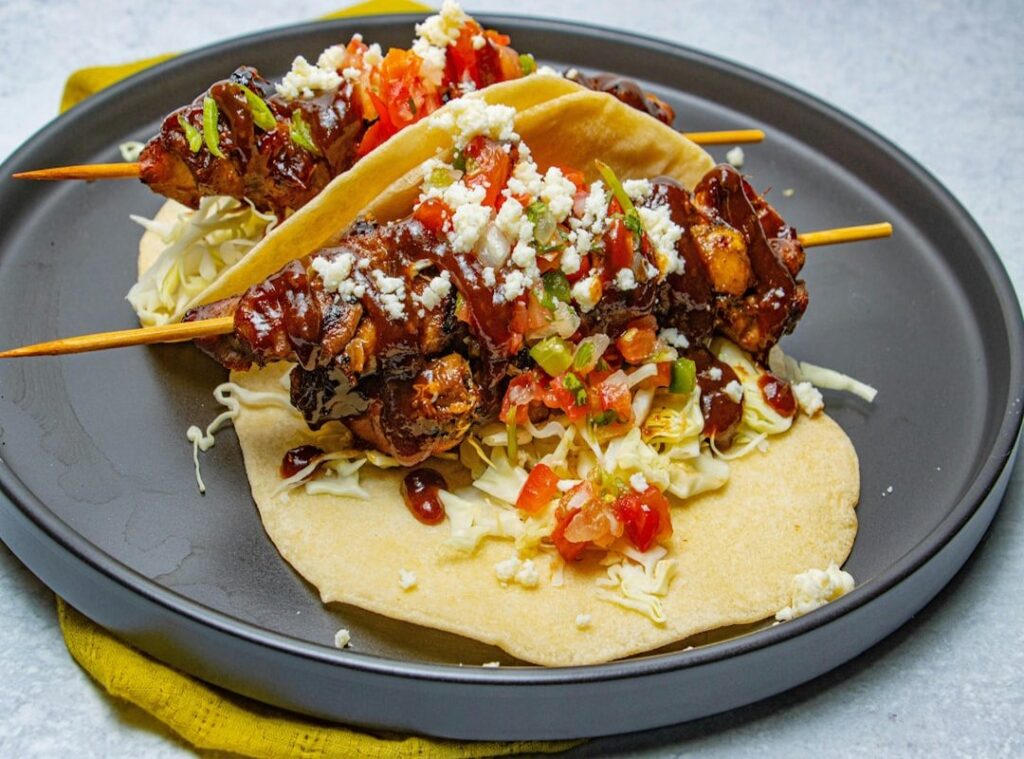
Ever stood in a market, overwhelmed by the sheer variety of spices, not knowing where to dive into the world of latin flavors cuisine? I get it. It’s a sensory overload, isn’t it?
You’re craving those bold, diverse tastes but feel lost on where to start.
Here’s the deal: Latin-inspired culinary offerings can seem intimidating, with so many dishes and ingredients. But they don’t have to be. I’ve spent years exploring these global flavors, moving past stereotypes to really understand what makes them special.
And I can promise you this: by the end of this article, you’ll have a practical roadmap to incorporate these flavors into your own cooking. Whether you’re a kitchen newbie or a seasoned chef, you’ll find the guidance you need to start exploring and enjoying these incredible tastes.
The Foundation: Understanding Core Latin Flavor Profiles
You know what’s fascinating about Latin flavors cuisine? It’s all about the base. The secret key to unlocking these dishes is understanding the core flavor foundations.
Trust me, once you get this down, you’re halfway to mastering the whole kitchen game.
Let’s talk sofrito and recaito. These aren’t just fancy words. Sofrito is a sautéed blend of garlic, onion, peppers, and herbs.
It’s the heartbeat of countless stews, rice dishes, and beans. You can’t ignore it. And recaito?
It’s a variation that brings cilantro and culantro into the mix. It’s regional, yes, but both are important.
Now, spices and herbs. If you think it’s just cumin, you’re missing out. Achiote gives an earthy flavor and lively color.
Ever tried epazote? It’s unique, and it brings something special to the table.
Mexican oregano isn’t the same as the Mediterranean kind. It’s got a distinct kick. And cilantro, oh boy, it adds a fresh punch.
Chiles are another story. They’re not just about heat. Ancho chiles offer a smoky depth.
Guajillo brings tangy brightness. And habanero? It’s got a fruity heat that’s unforgettable.
Each chile has its own story and flavor profile. That’s the magic right there.
By the way, if you’re curious about how these Latin flavors find their way into vegetarian dishes, check out this Middle Eastern Flavors Vegetarian for a twist. It’s fascinating how flavors travel and transform.
So, dive into these flavors. They’re bold, complex, and totally worth exploring. Once you embrace them, you’ll see why Latin cuisine is so beloved.
It’s a culinary adventure waiting for you.
A Culinary Tour: Tasting Latin America’s Heart
When I think of Latin flavors cuisine, my mind travels through the lively streets and bustling kitchens of Latin America. Each region offers its own unique twist. to this rich culinary space.
First stop, the Caribbean! Here, the mix of Spanish, African, and indigenous Taino influences creates a flavor explosion. Cuba, Puerto Rico, and the Dominican Republic are all about their plantains.
Whether it’s tostones or maduros, these starchy delights are a staple. And the slow-cooked meats? Absolutely important.
Ropa Vieja, a shredded beef dish, is a must-try. It’s like a hug in a bowl. Mofongo, with its mashed plantains, is another star.
You can’t miss it.
Now, let’s head to the Andean region. Peru, Ecuador, and Bolivia are blessed with mountains that offer a bounty of ingredients. Potatoes are everywhere.
Did you know there are thousands of varieties? It’s wild. Quinoa and corn, especially choclo, are staples too.
But what really stands out is the Peruvian-Chinese fusion known as Chifa. Lomo Saltado is a perfect example. This stir-fry marries soy sauce with Peruvian spices and beef.
It’s a how cultures blend seamlessly on a plate.
Moving south, Argentina and Uruguay have mastered the art of grilling. Asado is more than a meal here; it’s a social event. The focus is on the quality of the meat, not some fancy marinade.
The real magic happens with chimichurri. This sauce, made from parsley, garlic, and vinegar, transforms a simple steak into something extraordinary. It’s fresh and bold, just what you need with grilled meats.
Ever been to a street fair? You might find something similar at latin flavours street cuisine fayetteville. It’s where these flavors come alive.
Latin America’s cuisine isn’t just about food. It’s about history, culture, and a shared passion for flavor. Each dish tells a story, and every bite invites you to explore more.
So, are you ready to taste the heart of Latin America? This journey’s just getting started.
Beyond the Main Course: Drinks and Desserts You Can’t Ignore
Let’s be real: a meal isn’t complete without its final acts (the) drinks and desserts. Imagine a warm day, and you’re sipping Aguas Frescas. These aren’t just any drinks.
Take Horchata, for instance, a creamy rice drink spiced with cinnamon. It’s like comfort in a glass. Then there’s Agua de Jamaica, this tart hibiscus tea that practically sings of summer.
And let’s not forget the rich coffee culture that wraps itself around meals like a familiar hug. You haven’t lived until you’ve tasted a coffee that’s been honed by generations.
And then, dessert. Tres Leches cake, soaked in ‘three milks’, isn’t just cake. It’s an experience (spongy,) sweet, and irresistible.
The delicate simplicity of Flan is a nod to elegance in dessert form. Dense yet silky, it kind of humbles you with its beauty. Sweetened condensed milk, also known as Dulce de Leche, transforms ordinary pastries into something extraordinary.
It’s that little extra that makes Latin desserts unforgettable.
When you blend drinks and desserts into your exploration of latin flavors cuisine, the meal becomes a cultural mix of taste. Don’t you want that? To raise your dining game beyond the usual?
If you’re looking for more ways to incorporate umami every meal, remember that balance is key. Adding these beverages and sweets completes the picture, making every bite and sip count.
Latin Flair in Your Kitchen: Easy Steps to Start
Let’s get practical with Latin flavors cuisine. Wondering how to dive in? Try making a batch of chimichurri.
Why? Because it elevates them from bland to bold with zero hassle.
It’s that lively, garlicky sauce that’s amazing on grilled chicken. Trust me, it’s a game changer. Or sprinkle some smoked paprika and cumin on your roasted veggies.
Ready to stock your pantry? Start with some essentials. Canned chipotles in adobo sauce bring smoky heat.
Sazón seasoning packet? Your new best friend for adding zest to dishes. Pick up plantains too.
They’re versatile, sweet or savory. A can of black beans is a must (protein-packed and flavorful). And don’t overlook good-quality corn tortillas.
They’re the backbone of endless tasty meals.
Got all that? With these in your kitchen, you’re set to explore a world of flavors without leaving home. (And impress your friends in the process!)
Spice Things Up
Latin cuisine can feel overwhelming, right? But it’s all about straightforward principles. By grasping the flavor bases and regional staples, anyone can dive into this world with ease.
It’s a culinary adventure just waiting for you.
So why not shake things up? Pick an ingredient or idea from the article. Try making an agua fresca this week.
You’ll be surprised how much fun you have.
Remember, latin flavors cuisine isn’t just about food. It’s about discovery. Want a taste of that excitement?
Visit jalbiteworldfood.com.co and start your journey. You’ll find the inspiration you need. Don’t wait.
Go explore!