If you’re searching for fresh inspiration in the kitchen, deeper insight into global cuisine essentials, or creative ways to elevate everyday meals, you’re in the right place. This article is designed to help you explore international flavors with clarity and confidence—whether you’re experimenting with fusion recipes, refining your technique, or discovering new ingredients that can transform familiar dishes.
We break down complex culinary traditions into practical, easy-to-apply guidance, drawing on established cooking methods, cultural context, and flavor science to ensure accuracy and authenticity. From mastering spice layering to balancing heat, acidity, and texture, you’ll gain actionable tips you can use immediately.
Expect guidance on building bold flavor foundations, understanding regional influences, and incorporating elements like middle eastern flavor profiles into modern meals. By the end, you’ll not only know what to cook—you’ll understand why it works and how to make it your own.
The Earthy Foundation: Cumin, Coriander, and the Power of Spice
To truly immerse yourself in the vibrant tapestry of Middle Eastern cuisine, be sure to check out our article on ‘Jalbiteworldfood Best Recipes,’ where you’ll find a variety of dishes that showcase these rich flavor profiles.
Spices can feel mysterious at first, so let’s break them down simply. Cumin is the warm, nutty heartbeat of countless savory dishes. When you taste falafel or hummus and notice that deep, slightly smoky base note, that’s cumin at work. Whole cumin seeds are the dried fruit of the plant; when toasted, they release aromatic oils (pro tip: 30 seconds in a dry pan wakes them up). Ground cumin, on the other hand, is milled seed—more convenient, but it loses potency faster.
Next comes coriander, cumin’s citrusy, floral counterpart. Coriander usually refers to the dried seeds (not the leafy herb, which can confuse beginners). Its flavor is lighter and brighter, almost lemony. That’s why it shines in marinades for chicken or lamb, lifting heavier ingredients and keeping dishes balanced.
Together, they form the backbone of many middle eastern flavor profiles, creating warmth without overwhelming heat.
From there, iconic blends build complexity. Baharat layers cumin and coriander with spices like cinnamon and cloves for depth. Za’atar combines earthy notes with herbs and sesame for a ready-to-use sprinkle that transforms flatbread or roasted vegetables (yes, it’s that versatile).
A Burst of Green: The Indispensable Role of Fresh Herbs
Fresh herbs are not decoration; they are direction. First, choose parsley as a foundation, not a flourish. In Tabbouleh, it is the salad, delivering a clean, peppery bite that wakes up grains and tomatoes. If you want brighter plates, double the parsley and cut it just before serving. Pro tip: soak stems in ice water for ten minutes to revive tired bunches.
Next, mint provides a cool aromatic lift. Fold it into yogurt sauces like tzatziki, toss it through salads, or steep it for tea when meals feel heavy. That contrast is essential in Middle Eastern flavor profiles, where richness meets sparkle.
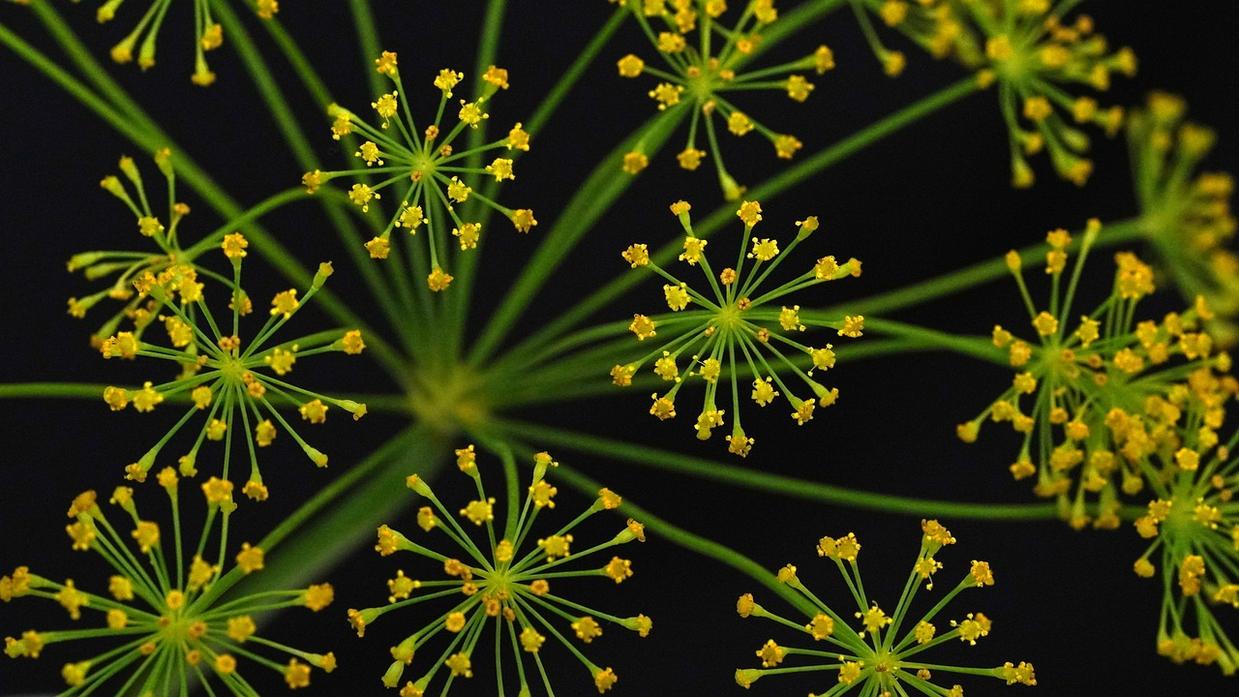
Meanwhile, dill and cilantro play smart supporting roles. Pair dill with yogurt and fish; its grassy sweetness softens brine and smoke. Choose cilantro for stews and sauces that need a pungent, bright finish.
Some argue dried herbs are easier and more economical. However, drying dulls volatile oils, the aromatic compounds that create fresh flavor, according to the Journal of Food Science. So buy small, buy often, and let green be the headline, not the garnish. Your cooking will taste alive, not merely assembled. That difference matters deeply.
The Bright Spark: Mastering Tang and Acidity
Acidity is the quiet architect of balance in cooking—the element that keeps rich, savory dishes from feeling heavy. Think of it as the editor of your plate, trimming excess and sharpening flavors.
Lemon: The All-Purpose Brightener
A squeeze of fresh lemon juice contains citric acid, a natural compound that heightens perceived saltiness and cuts through fat (which is why fried fish loves it). Drizzle it over grilled meats to slice through charred richness, stir it into lentil soup to wake up earthy legumes, or whisk it into tahini sauce to lighten sesame’s natural bitterness. Some argue vinegar does the same job—and it can—but lemon adds a fragrant freshness that feels cleaner and more vibrant. Pro tip: add lemon at the end of cooking to preserve its bright aroma.
Sumac: The Tart Ruby-Red Secret
Sumac is a dried, ground berry with a sharp, lemony flavor—without the liquid. Its deep crimson hue signals tang before you even taste it. Sprinkle it over salads, kebabs, or creamy dips for a final flourish that defines many middle eastern flavor profiles. It’s acidity in powdered form (and yes, it looks dramatic on hummus).
Pomegranate Molasses: Sweet, Sour, and Complex
This thick syrup balances sugar and acid through concentrated pomegranate juice. It lends depth to marinades like Fesenjān and brightness to Fattoush dressings—proof that bold acidity transforms dishes much like african sauces that transform simple dishes.
Aromatic Whispers: The Subtle Magic of Floral and Perfumed Notes
Rosewater & Orange Blossom Water: The Essence of Dessert
First, consider rosewater vs. orange blossom water. Rosewater is soft and romantic, while orange blossom leans bright and citrusy. Both are distilled floral waters—aromatic liquids created by steaming petals—but they must be used sparingly (think drops, not splashes). Too much, and your baklava tastes like perfume. Just enough, however, transforms rice pudding or syrup into something ethereal, a hallmark of middle eastern flavor profiles.
Saffron: Threads of Gold
Then there’s saffron vs. turmeric. Both color rice, yet saffron’s hay-like aroma and honeyed depth are unmatched. These delicate stigmas—the dried threads of the crocus flower—infuse Persian tahdig or biryani with golden drama (yes, it’s the Beyoncé of spices). Critics argue it’s overpriced; true, but a pinch perfumes an entire pot. Pro tip: bloom threads in warm water before adding.
Cardamom & Cinnamon: Warmth and Fragrance
Finally, cardamom offers eucalyptus-like lift, whereas cinnamon brings woody sweetness. Together, they bridge savory stews and spiced coffee with seamless aromatic depth.
Step into a bustling souk: toasted cumin in the air, mint bundled like bouquets, skewers of lamb hissing over open flames. This is where the journey begins. Many home cooks assume these dishes are complicated (they’re not), intimidated by long spice lists and unfamiliar names. I used to think the same—and I was wrong. The magic of middle eastern flavor profiles comes down to a few pillars:
- Warm spices like cumin and coriander
- Fresh herbs, lemon, and garlic
- Slow-cooked meats and grains
Master these, and the cuisine opens up beautifully. Trust me, it’s far more approachable than it looks.
Bringing the Flavors of the Middle East to Your Table
Let’s recap the flavor pillars that make these dishes sing: earthy spices, fresh herbs, bright acids, and fragrant aromatics. Think cumin and coriander warming things up, parsley and mint swooping in like the cool friends, lemon adding a zippy high note, and garlic doing what garlic does best (stealing the spotlight).
The magic of middle eastern flavor profiles isn’t about piling everything into one pan and hoping for the best. It’s balance. A squeeze of acid to lift richness. A handful of herbs to brighten slow-cooked depth. When these elements harmonize, the result is satisfying—like a well-rehearsed band instead of kitchen karaoke.
Your next step? Buy one new ingredient. Try sumac and sprinkle it over scrambled eggs for a tangy pop, or drizzle pomegranate molasses over roasted vegetables for sweet-tart drama. Start small, taste boldly, and let your pantry travel.
Bring Global Flavor Into Your Kitchen Today
You came here looking for inspiration to elevate your cooking with global flavors—and now you have the tools to do it. From understanding essential spices to mastering fusion techniques and exploring bold middle eastern flavor profiles, you’re better equipped to turn everyday meals into unforgettable experiences.
The real challenge isn’t finding recipes. It’s knowing how to layer flavors confidently, balance spices correctly, and recreate authentic tastes without feeling overwhelmed. Now that you understand the foundations behind global cuisine and smart cooking hacks, you can stop second-guessing and start creating dishes that truly stand out.
Here’s your next step: choose one region, one technique, or one flavor combination you discovered today and try it in your next meal. Build momentum by experimenting weekly and refining your approach as you go.
If you’re ready to transform bland, repetitive meals into vibrant, restaurant-quality dishes, explore more world-inspired guides and step-by-step recipes today. Thousands of home cooks are already upgrading their kitchens with globally inspired techniques—join them now and start cooking with confidence.

 Ismaeler Lennoncier writes the kind of world flavor inspirations content that people actually send to each other. Not because it's flashy or controversial, but because it's the sort of thing where you read it and immediately think of three people who need to see it. Ismaeler has a talent for identifying the questions that a lot of people have but haven't quite figured out how to articulate yet — and then answering them properly.
They covers a lot of ground: World Flavor Inspirations, Cooking Technique Hacks, Culinary Pulse, and plenty of adjacent territory that doesn't always get treated with the same seriousness. The consistency across all of it is a certain kind of respect for the reader. Ismaeler doesn't assume people are stupid, and they doesn't assume they know everything either. They writes for someone who is genuinely trying to figure something out — because that's usually who's actually reading. That assumption shapes everything from how they structures an explanation to how much background they includes before getting to the point.
Beyond the practical stuff, there's something in Ismaeler's writing that reflects a real investment in the subject — not performed enthusiasm, but the kind of sustained interest that produces insight over time. They has been paying attention to world flavor inspirations long enough that they notices things a more casual observer would miss. That depth shows up in the work in ways that are hard to fake.
Ismaeler Lennoncier writes the kind of world flavor inspirations content that people actually send to each other. Not because it's flashy or controversial, but because it's the sort of thing where you read it and immediately think of three people who need to see it. Ismaeler has a talent for identifying the questions that a lot of people have but haven't quite figured out how to articulate yet — and then answering them properly.
They covers a lot of ground: World Flavor Inspirations, Cooking Technique Hacks, Culinary Pulse, and plenty of adjacent territory that doesn't always get treated with the same seriousness. The consistency across all of it is a certain kind of respect for the reader. Ismaeler doesn't assume people are stupid, and they doesn't assume they know everything either. They writes for someone who is genuinely trying to figure something out — because that's usually who's actually reading. That assumption shapes everything from how they structures an explanation to how much background they includes before getting to the point.
Beyond the practical stuff, there's something in Ismaeler's writing that reflects a real investment in the subject — not performed enthusiasm, but the kind of sustained interest that produces insight over time. They has been paying attention to world flavor inspirations long enough that they notices things a more casual observer would miss. That depth shows up in the work in ways that are hard to fake.