If you’re searching for a clear, practical guide to latin american cooking basics, you’re likely looking to understand the core ingredients, techniques, and flavor foundations that define this vibrant culinary tradition. This article is designed to give you exactly that—no fluff, just the essentials you need to start cooking with confidence.
Latin American cuisine spans diverse regions, but it shares key building blocks: staple ingredients like corn, beans, rice, chilies, and fresh herbs; foundational techniques such as roasting, braising, and slow simmering; and a balance of heat, acidity, and depth of flavor. Here, you’ll learn how these elements come together across different countries and how to apply them in your own kitchen.
Our insights are grounded in extensive research into traditional recipes, regional cooking methods, and authentic flavor pairings. By the end, you’ll not only understand the fundamentals—you’ll be ready to recreate bold, balanced Latin American dishes with clarity and confidence.
The Vibrant Core of Latin American Flavors
Latin American cuisine is too often reduced to tacos and empanadas (delicious, yes, but that’s like calling Hollywood just superheroes). At its heart are shared flavor pillars: corn, beans, chilies, citrus, and slow-cooked meats. Sofrito—an aromatic base of sautéed onions, garlic, and peppers—acts as a culinary engine across regions. I believe understanding these foundations matters more than memorizing recipes. When you grasp latin american cooking basics, you see how Peru’s ceviche and Mexico’s salsas both celebrate acidity and heat. Some argue each country is distinct. True—but the connective tissue is unmistakable. Exciting, right?
The Foundational Trilogy: Corn, Beans, and Chiles
In many Latin kitchens, three ingredients do the heavy lifting: corn, beans, and chiles. Think of them as the HOLY TRINITY of flavor and function (and yes, they show up more reliably than any superhero sequel).
Corn (Maíz) is not just a vegetable—it’s a PROCESS. Through nixtamalization—soaking and cooking dried corn in an alkaline solution—the kernels transform into masa, a dough used for tortillas, tamales, arepas, and pupusas. Corn vs wheat? Wheat gives you fluffy loaves; corn gives you structure, chew, and cultural identity. Without masa, much of latin american cooking basics simply doesn’t exist.
Beans (Frijoles) are the protein backbone. Black beans vs pinto beans comes down to region and texture: creamy black bean stews in Brazil and Cuba versus mashed, refried pinto beans in Mexico. Meat adds richness, but beans deliver FIBER, affordability, and deep, earthy flavor (and they stretch a meal when budgets are tight).
Chiles pull double duty: heat AND complexity. Fresh chiles like jalapeños add brightness and sharpness; dried chiles like ancho or guajillo bring smoky, fruity depth when toasted and rehydrated for sauces. Heat vs flavor? The best cooks balance both, because chiles aren’t about pain—they’re about personality.
Sofrito: The Aromatic Heartbeat of the Kitchen
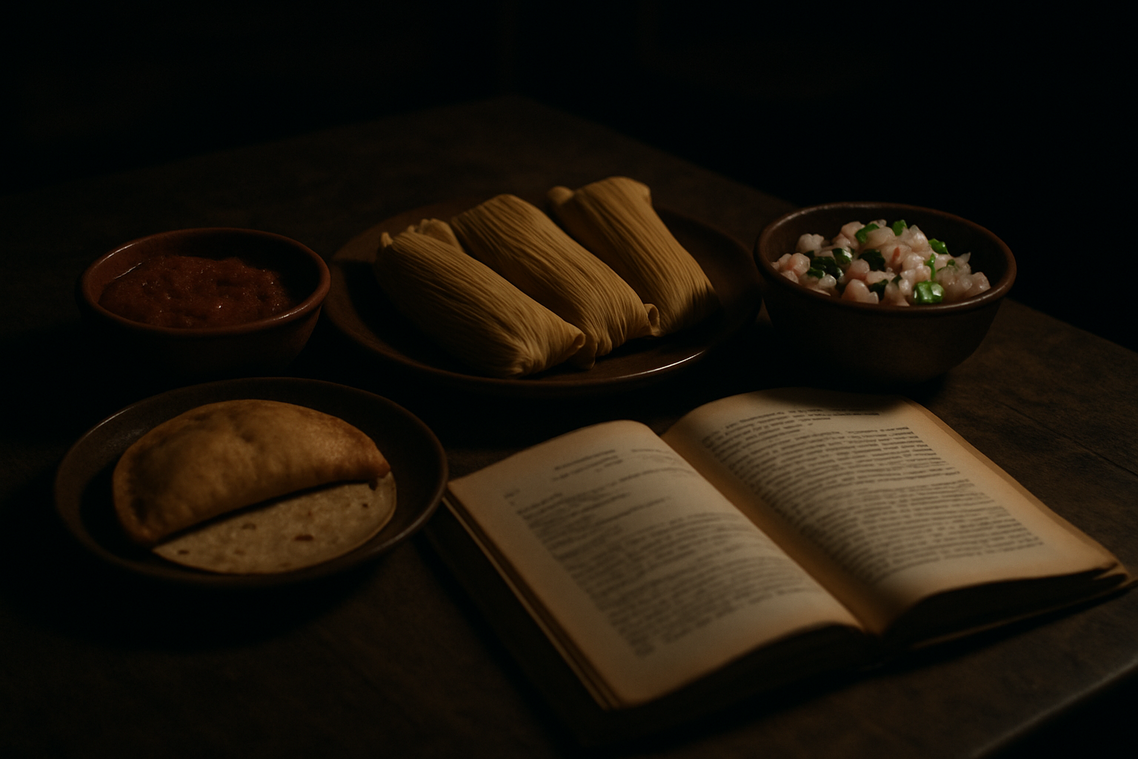
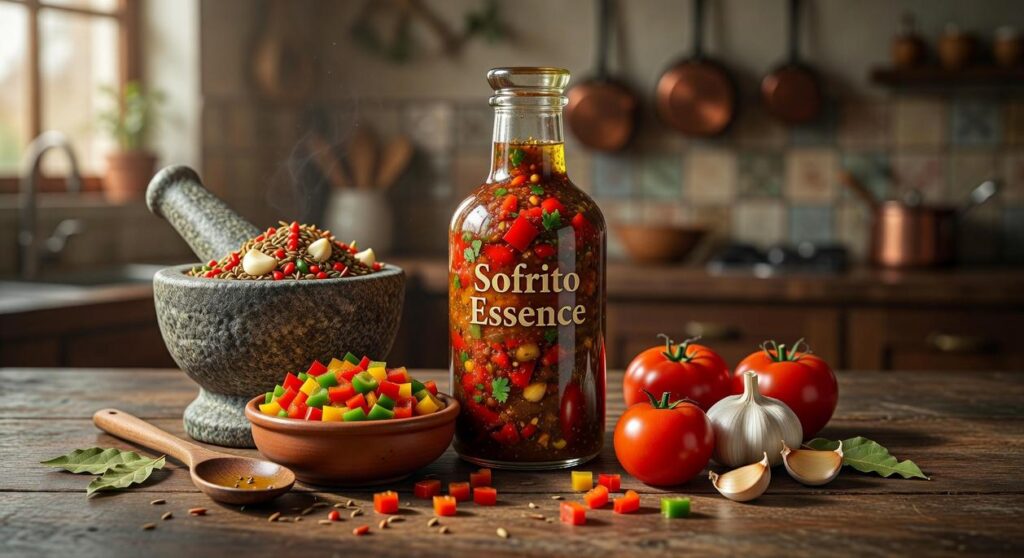
Sofrito is not a single ingredient you can scoop from a jar—it’s a TECHNIQUE. The word refers to a slow-cooked blend of aromatics that forms the flavor base of countless dishes. Think of it as the opening scene in a great film: quiet, foundational, and absolutely essential (yes, like the first note in a symphony). In simple terms, aromatics are vegetables and herbs cooked in fat to release deep flavor compounds.
At its core, sofrito usually combines onions, garlic, and peppers—both sweet and spicy. Tomatoes often join the mix, along with herbs. As these ingredients cook gently, their natural sugars caramelize, creating a savory backbone that defines soups, stews, rice dishes, and sauces. This method is central to many latin american cooking basics.
Regional variations clear up common confusion. A Caribbean sofrito leans heavily on culantro and ají dulce for punchy brightness. Brazilian refogado, by contrast, is often simpler: onion, garlic, and tomato. Some argue it’s “just sautéed vegetables,” but that misses the point. The slow layering of flavor is what makes it transformative.
The Power of Acidity and Fresh Herbs
Rich, slow-cooked, or fried dishes can feel heavy—delicious, yes, but sometimes overwhelming. That’s where acidity (a sour or tangy taste that brightens food) steps in. In my opinion, lime juice, sour oranges, and sharp vinegars aren’t optional garnishes; they’re essential balancing agents. They cut through fat the way a squeeze of lime transforms tacos al pastor (suddenly everything tastes clearer).
Take ceviche. Here, citrus doesn’t just flavor the fish—it “cooks” it through denaturation, meaning the proteins firm up when exposed to acid rather than heat (Harold McGee, On Food and Cooking). Similarly, marinades for carne asada rely on acid to tenderize meat by loosening muscle fibers while infusing flavor.
And then there’s freshness. A final handful of chopped herbs added off heat can:
- Lift heavy stews
- Add aroma and color
- Create contrast against richness
Cilantro, parsley, or mint provide that vibrant counterpoint central to latin american cooking basics. For deeper spice layering, see understanding indian curry foundations. In my kitchen, acidity and herbs aren’t extras—they’re the finish line.
A Masterclass in Texture and Temperature
In many Latin American kitchens—from Oaxaca’s bustling mercados to Bogotá’s late-night arepa stands—texture is treated as seriously as salt. It’s not just about flavor; it’s about CONTRAST. A tostada arrives shatteringly crisp, piled with creamy avocado and silky refried beans. An empanada cracks open to reveal tender, slow-braised meat. A spoonful of cool salsa lands on hot grilled carne asada, releasing steam and aroma at once (that first bite? Pure theater).
These contrasts aren’t accidental; they’re foundational to latin american cooking basics. Cooks deliberately layer components so each bite delivers crunch, creaminess, heat, and chill in quick succession.
- Crispy cassava against garlicky mojo
- Bright pickled onions over rich cochinita pibil
Some argue texture is secondary to spice. But without variation, even bold flavors fall flat. Engaging multiple senses creates a COMPLETE sensory loop—sound, touch, temperature—making dishes more memorable and deeply satisfying.
It’s tempting to think of Latin American cuisine as monolithic, but history tells a richer story. Before European contact, Indigenous communities cultivated potatoes, tomatoes, corn, cacao, and chili peppers—staples that remain central today. After the 16th century, Spanish and Portuguese colonizers introduced rice, wheat, beef, pork, and plantains, reshaping local diets. Scholars note that over 60% of today’s global crops originated in the Americas (FAO), underscoring this exchange. Enslaved Africans and later Asian immigrants added techniques like frying and stir-cooking. The result wasn’t replacement but reinvention—dishes like feijoada and arroz con pollo illustrate how latin american cooking basics became fusion.
Bringing These Principles to Your Kitchen
You now have the blueprint. The secret to authentic Latin American flavor is not a single recipe, but the interplay of core ingredients, aromatic bases, acidity, and texture. That’s the foundation of latin american cooking basics.
Instead of feeling overwhelmed by dishes, look for patterns you can repeat. Build a sofrito with onions, garlic, and peppers, then notice how it deepens beans or stews. Finish with lime and cilantro for brightness and contrast.
Pro tip: season in layers and taste as you go (future self will thank you).
Start small and cook with intention.
Mastering Bold Flavors with latin american cooking basics
You came here to understand the foundations of latin american cooking basics, and now you have the core techniques, ingredients, and flavor principles to bring these vibrant dishes to life. From balancing heat and acidity to building depth with spices, herbs, and slow-cooked staples, you’re no longer guessing—you’re cooking with intention.
If you’ve ever felt overwhelmed by unfamiliar ingredients or unsure how to recreate authentic flavors at home, that frustration ends here. The essentials are simpler and more accessible than they seem when you know what truly matters.
Now it’s time to take action. Start by choosing one classic recipe and applying the techniques you’ve learned—focus on fresh ingredients, bold seasoning, and proper preparation. Then expand your repertoire dish by dish.
For even more step-by-step global guides, trusted flavor combinations, and practical cooking hacks loved by home cooks worldwide, explore more of our world cuisine resources today. Join thousands of passionate food lovers who are transforming their kitchens with proven, flavor-first techniques—start cooking with confidence now.

 There is a specific skill involved in explaining something clearly — one that is completely separate from actually knowing the subject. Mark Bowensouler has both. They has spent years working with world flavor inspirations in a hands-on capacity, and an equal amount of time figuring out how to translate that experience into writing that people with different backgrounds can actually absorb and use.
Mark tends to approach complex subjects — World Flavor Inspirations, Culinary Pulse, Cooking Technique Hacks being good examples — by starting with what the reader already knows, then building outward from there rather than dropping them in the deep end. It sounds like a small thing. In practice it makes a significant difference in whether someone finishes the article or abandons it halfway through. They is also good at knowing when to stop — a surprisingly underrated skill. Some writers bury useful information under so many caveats and qualifications that the point disappears. Mark knows where the point is and gets there without too many detours.
The practical effect of all this is that people who read Mark's work tend to come away actually capable of doing something with it. Not just vaguely informed — actually capable. For a writer working in world flavor inspirations, that is probably the best possible outcome, and it's the standard Mark holds they's own work to.
There is a specific skill involved in explaining something clearly — one that is completely separate from actually knowing the subject. Mark Bowensouler has both. They has spent years working with world flavor inspirations in a hands-on capacity, and an equal amount of time figuring out how to translate that experience into writing that people with different backgrounds can actually absorb and use.
Mark tends to approach complex subjects — World Flavor Inspirations, Culinary Pulse, Cooking Technique Hacks being good examples — by starting with what the reader already knows, then building outward from there rather than dropping them in the deep end. It sounds like a small thing. In practice it makes a significant difference in whether someone finishes the article or abandons it halfway through. They is also good at knowing when to stop — a surprisingly underrated skill. Some writers bury useful information under so many caveats and qualifications that the point disappears. Mark knows where the point is and gets there without too many detours.
The practical effect of all this is that people who read Mark's work tend to come away actually capable of doing something with it. Not just vaguely informed — actually capable. For a writer working in world flavor inspirations, that is probably the best possible outcome, and it's the standard Mark holds they's own work to.