If you’re searching for a clear, practical guide to mediterranean staple ingredients, you’re likely looking to cook more vibrant, heart-healthy meals without feeling overwhelmed. This article is designed to give you exactly that: a focused breakdown of the essential components that define Mediterranean cooking, how to use them, and why they matter in everyday recipes.
We’ll walk through the core mediterranean staple ingredients that form the backbone of this globally loved cuisine—from pantry basics to fresh essentials—while sharing simple ways to combine them for authentic flavor. Whether you want to master classic dishes or experiment with international fusion, you’ll find actionable tips you can apply immediately.
Our guidance draws on culinary research, traditional cooking practices, and insights from experienced chefs who specialize in regional Mediterranean flavors. The result is a practical, trustworthy resource that helps you cook with confidence and bring bold, balanced world flavors to your table.
Stocking the Sun-Drenched Pantry
If you ask me, the magic of Mediterranean cooking isn’t technique—it’s ingredients. Most home cooks overthink it (I did too). The truth? Once you understand the mediterranean staple ingredients, everything clicks.
Start with extra-virgin olive oil—the liquid gold that carries flavor and heart-healthy monounsaturated fats (Harvard T.H. Chan School of Public Health). Add ripe tomatoes, briny olives, garlic, oregano, and bright lemons. These aren’t extras; they’re the foundation.
Some argue recipes matter more than pantry items. I disagree. With quality chickpeas, feta, and fresh herbs on hand, you can improvise confidently—no passport required. Trust your palate.
Liquid Gold: The Unquestionable Importance of Olive Oil
Extra Virgin Olive Oil (EVOO) is the heart of Mediterranean cooking, and once you taste a great bottle, you’ll understand why. Beyond simply preventing food from sticking, it delivers flavor dividends. A robust, peppery EVOO drizzled over salads, dips, or grilled fish adds fruity, grassy notes and a throat tickle (that’s the good kind). In contrast, a milder, all-purpose olive oil keeps sautéed vegetables and weeknight proteins balanced without overpowering them.
As a result, choosing the right style means your dishes taste layered, not flat. That’s a major win for anyone cooking with mediterranean staple ingredients. Moreover, high-quality EVOO contains polyphenols, antioxidants linked to heart health benefits, according to research published in the Journal of the American College of Cardiology.
Pro tip: look for dark glass bottles with a recent harvest date to secure freshness and potency. Invest here; meals improve.
The Fresh Harvest: Vegetables, Legumes, and Alliums
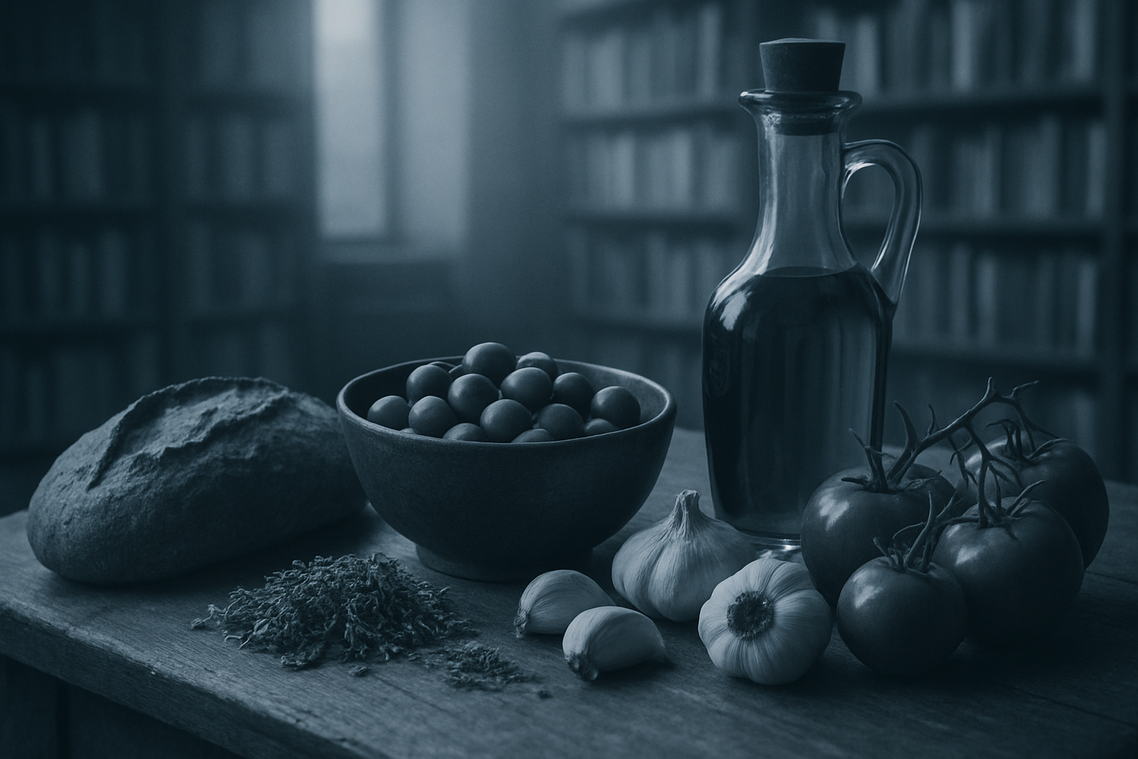
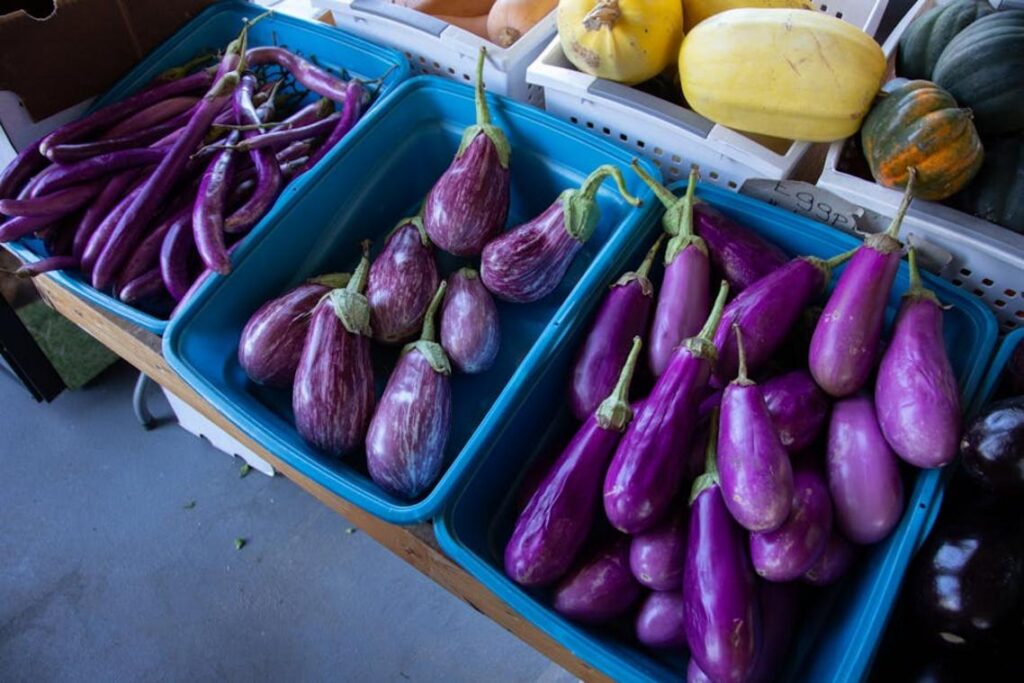
Great cooking doesn’t start with complexity. It starts with the right vegetables treated well. Tomatoes, cucumbers, bell peppers, eggplant, and zucchini form the backbone of countless Mediterranean dishes. Think ratatouille simmering slowly on the stove or a crisp tomato-cucumber salad dressed in olive oil and lemon. These aren’t just sides; they’re structural elements. Competitors often list them without explaining why they matter: their high water content balances rich fats, and their natural sugars caramelize beautifully under heat (that golden edge on roasted peppers is flavor science at work).
The Power of Legumes
Chickpeas and lentils are culinary workhorses. A legume is a plant whose seeds grow in pods, and nutritionally, they’re prized for plant-based protein and fiber. According to the FAO, legumes support heart health and sustainable agriculture. Beyond hummus, try crispy roasted chickpeas for texture contrast in salads (pro tip: dry them thoroughly before roasting). Lentils thicken soups naturally, eliminating the need for heavy cream.
The Flavor Base (Sofrito)
Sofrito—a slow sauté of garlic and onions in olive oil—is the aromatic foundation of many savory dishes. Cooking alliums gently coaxes out sweetness through caramelization. Skip this step, and you skip depth. It’s the difference between background music and a full orchestra.
Don’t Forget the Greens
Spinach, chard, and wild greens are often simply wilted with garlic and lemon. This minimalist approach highlights freshness while complementing mediterranean staple ingredients without overpowering them.
If you’re exploring global pantry foundations, compare this approach with building a japanese pantry from scratch to see how cultures layer flavor differently (soy versus olive oil, fermentation versus freshness).
Aromatic cooking begins with smart choices: dried or fresh, subtle or bright. Take oregano, rosemary, and thyme—the essential dried herbs that anchor countless Mediterranean dishes. Dried oregano, in particular, delivers a concentrated, peppery punch that often outperforms its fresh counterpart in slow-roasted meats. Fresh oregano, by contrast, tastes greener and milder. So which should you choose? If you’re building depth over heat, go dried; if you’re finishing a salad, reach for fresh.
Next, consider flat-leaf parsley and mint. In many kitchens, they’re not garnish but foundation. Compare a tabbouleh loaded with herbs versus one with a token sprinkle; the former bursts with freshness, while the latter falls flat (sadly, like a limp rom-com sequel).
Then there’s lemon. Juice versus zest isn’t an either/or debate; it’s strategy. Juice cuts richness in grilled lamb, while zest perfumes dressings without extra acidity. A final squeeze can transform a dish completely.
For flavor inspiration, stir lemon zest, chopped parsley, and minced garlic into gremolata—bright, sharp, unforgettable. Pro tip: let it sit five minutes before serving to meld flavors. These mediterranean staple ingredients prove that balance beats excess every time. Used thoughtfully, they turn simple meals into memorable experiences. Choose wisely and taste deeply.
From Land and Sea: Grains, Dairy, and Proteins
Wholesome Grains form the backbone of countless coastal and countryside dishes, yet most guides stop at listing them. Let’s go further. Farro (an ancient wheat grain), bulgur (parboiled cracked wheat), and couscous (tiny steamed semolina pearls) don’t just “absorb flavor.” Their varying starch structures determine texture—farro stays chewy, bulgur turns fluffy, couscous light and separate. That distinction matters when building layered bowls or composed salads (no one likes mushy grains pretending to be pilaf).
Tangy Dairy brings contrast. Feta, aged in brine, delivers salinity that balances sweet roasted vegetables. Full-fat Greek yogurt—strained to remove whey—contains higher protein and less lactose than standard yogurt, making it ideal for marinades that tenderize proteins through gentle acidity. Some argue low-fat versions are healthier. Yet research suggests full-fat fermented dairy can support satiety and metabolic health when eaten moderately (Harvard T.H. Chan School of Public Health).
Fresh from the Sea highlights sardines and anchovies—small, oil-rich fish packed with omega-3 fatty acids linked to heart health (American Heart Association). Their umami depth seasons sauces without overpowering them.
Walnuts, almonds, and sesame seeds (tahini) add texture and mineral density, elevating these mediterranean staple ingredients into nutrient-dense, flavor-driven foundations.
Build Your Mediterranean Pantry
You now have the blueprint for a kitchen rooted in flavor and balance. So, start with quality over quantity. Choose extra-virgin olive oil, ripe tomatoes, leafy greens, garlic, lemons, and whole grains. These mediterranean staple ingredients form the backbone of countless dishes. Next, add canned chickpeas, sardines, and fragrant spices like cumin and oregano for depth. However, freshness matters most; shop local markets when possible. For example, a simple salad of cucumbers, feta, and herbs can rival a restaurant mezze platter. Finally, keep it flexible and taste as you cook. Trust your palate and adjust boldly.
As you explore the vibrant world of staple ingredients in Mediterranean cooking, you may also want to understand how the unique Fojatosgarto Texture enhances the overall dining experience.
Bring Mediterranean Flavor Into Your Kitchen Today
You came here to better understand how mediterranean staple ingredients can transform your cooking, and now you have a clear roadmap. From olive oil and fresh herbs to legumes, grains, and vibrant spices, you’ve seen how these essentials create depth, balance, and unforgettable flavor.
If you’ve ever struggled with meals that feel bland, repetitive, or uninspired, this is your solution. Stocking the right ingredients and applying simple techniques can instantly elevate your dishes while keeping them wholesome and satisfying.
Now it’s time to take action. Start by adding a few key mediterranean staple ingredients to your pantry this week and try one new recipe that highlights their bold, fresh character. Explore more global flavor guides, experiment with fusion twists, and turn everyday meals into something extraordinary.
Thousands of home cooks are already upgrading their kitchens with these time-tested essentials. Don’t settle for ordinary meals—embrace the flavors, start cooking, and experience the difference tonight.

 Ismaeler Lennoncier writes the kind of world flavor inspirations content that people actually send to each other. Not because it's flashy or controversial, but because it's the sort of thing where you read it and immediately think of three people who need to see it. Ismaeler has a talent for identifying the questions that a lot of people have but haven't quite figured out how to articulate yet — and then answering them properly.
They covers a lot of ground: World Flavor Inspirations, Cooking Technique Hacks, Culinary Pulse, and plenty of adjacent territory that doesn't always get treated with the same seriousness. The consistency across all of it is a certain kind of respect for the reader. Ismaeler doesn't assume people are stupid, and they doesn't assume they know everything either. They writes for someone who is genuinely trying to figure something out — because that's usually who's actually reading. That assumption shapes everything from how they structures an explanation to how much background they includes before getting to the point.
Beyond the practical stuff, there's something in Ismaeler's writing that reflects a real investment in the subject — not performed enthusiasm, but the kind of sustained interest that produces insight over time. They has been paying attention to world flavor inspirations long enough that they notices things a more casual observer would miss. That depth shows up in the work in ways that are hard to fake.
Ismaeler Lennoncier writes the kind of world flavor inspirations content that people actually send to each other. Not because it's flashy or controversial, but because it's the sort of thing where you read it and immediately think of three people who need to see it. Ismaeler has a talent for identifying the questions that a lot of people have but haven't quite figured out how to articulate yet — and then answering them properly.
They covers a lot of ground: World Flavor Inspirations, Cooking Technique Hacks, Culinary Pulse, and plenty of adjacent territory that doesn't always get treated with the same seriousness. The consistency across all of it is a certain kind of respect for the reader. Ismaeler doesn't assume people are stupid, and they doesn't assume they know everything either. They writes for someone who is genuinely trying to figure something out — because that's usually who's actually reading. That assumption shapes everything from how they structures an explanation to how much background they includes before getting to the point.
Beyond the practical stuff, there's something in Ismaeler's writing that reflects a real investment in the subject — not performed enthusiasm, but the kind of sustained interest that produces insight over time. They has been paying attention to world flavor inspirations long enough that they notices things a more casual observer would miss. That depth shows up in the work in ways that are hard to fake.