
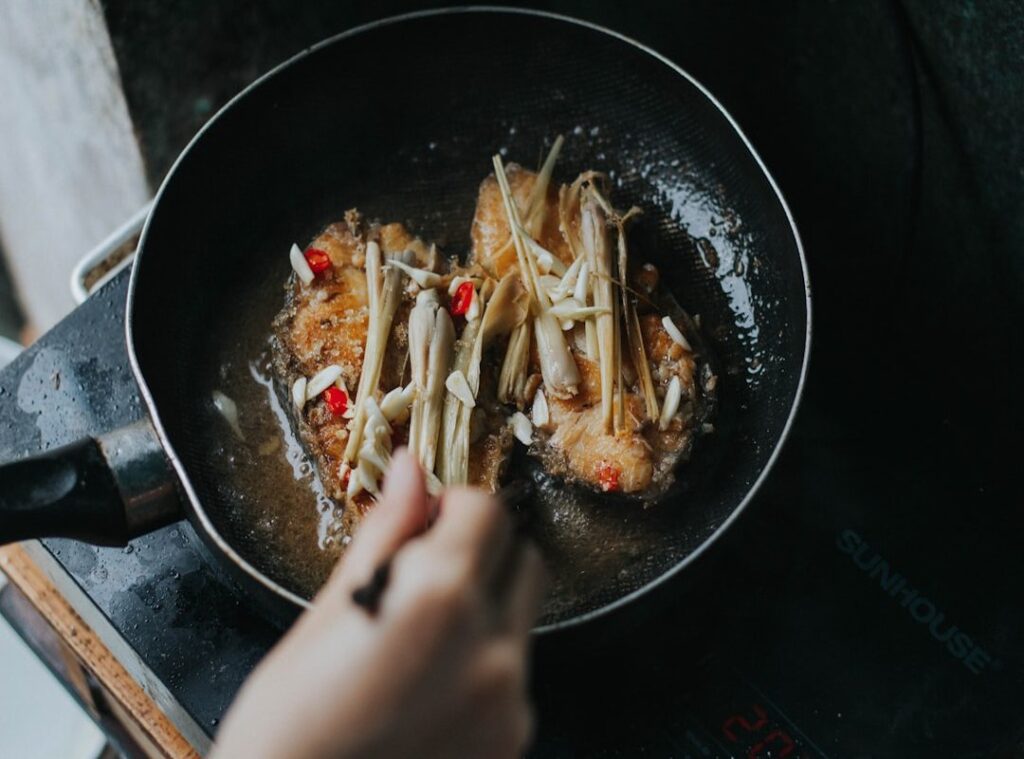
Ever tried making stir-fry, only to end up with a sad, soggy mess? The kind where your vegetables drown in watery sauce, and the taste is as exciting as cardboard. I know that frustration.
It hits you right in the soul. But here’s the thing: it doesn’t have to be this way. With the right stir fry tips, you can transform that disappointment into a sizzling masterpiece.
I’m obsessed with global culinary traditions (and you should be too) because they hold the secrets to perfecting this technique. This isn’t just about following a recipe. It’s about mastering the art behind every great stir-fry.
So, if you’re tired of lackluster meals and ready to raise your cooking game, you’re in the right place. I’ll guide you, step by step.
The Soul of the Stir-Fry: Mastering Heat and Hardware
Let’s talk about the holy grail of stir-fry: wok hei, or the “breath of the wok”. It’s that smoky, almost mystical essence that makes a stir-fry unforgettable. Ever tasted one that just lacked something?
Yeah, that’s likely what was missing.
To achieve this, there’s one non-negotiable rule: screamingly high heat. Why? Because it sears ingredients like a pro, caramelizing them quickly while keeping all the important juices intact.
Low heat just won’t cut it; you’ll end up with a soggy mess instead of crisp perfection.
Now, about the tools. A carbon steel wok is your best bet. Its heat conductivity and shape make it perfect for tossing and flipping.
Not everyone has one though. If you’re using a large skillet (cast iron or stainless steel), you can still achieve good results, just crank up that heat and keep things moving.
And oils? You need high smoke point options like peanut, grapeseed, or avocado oil. Olive oil doesn’t do the job here.
It smokes too soon and leaves a taste that clashes with everything else.
Curious about other cooking techniques that involve the right balance of heat and patience? Check out Mastering Slow Cooking. It’s a whole different ballgame but just as rewarding.
These are more than just “stir fry tips”. They’re the secrets to culinary magic. Trust me, once you nail this, there’s no going back.
Your Stir-Fry Blueprint: The Art of Flawless Preparation
If you’re like me, you’ve probably tried stir-frying without any plan. Chaos ensues, right? That’s why mise en place is your best friend.
Imagine having everything chopped, diced, and ready to go. It’s like staging a cooking show in your own kitchen. Sounds dreamy, doesn’t it?
Now, let’s talk proteins. The trick? Slice meat thinly against the grain.
Trust me, it’s not just for show. Do it for tenderness. A quick marinade (think soy sauce, cornstarch, Shaoxing wine) works wonders.
Just a tip: give it a short soak before firing up the wok.
Vegetable prep is another beast altogether. Ever notice how some veggies cook faster than others? Group them.
Hard ones like carrots and broccoli need more time. Softies like bok choy and bell peppers can join later. Uniform, bite-sized pieces make it all even.
You want everything cooked just right, not a mushy mess.
Don’t forget the aromatics. Minced garlic, ginger, and chilies should be ready before you start. Don’t be that person scrambling for ingredients while the pan’s hot.
Speaking of which, have your sauce pre-mixed. It’s the unsung hero in your stir-fry saga. You’re setting the stage for success.
Need more stir fry tips? Dive into wok skills 101: stir-frying basics for deeper knowledge. This isn’t just advice; it’s about control.
Control in the kitchen means no sweat, no tears. Well, maybe some tears (onions do that). But mostly, it’s about conquering your stir-fry.
The Dance of Ingredients: Perfecting the Cooking Sequence
Starting a stir-fry might feel like trying to solve a Rubik’s cube. I mean, everything happens fast, right? But let’s break it down.
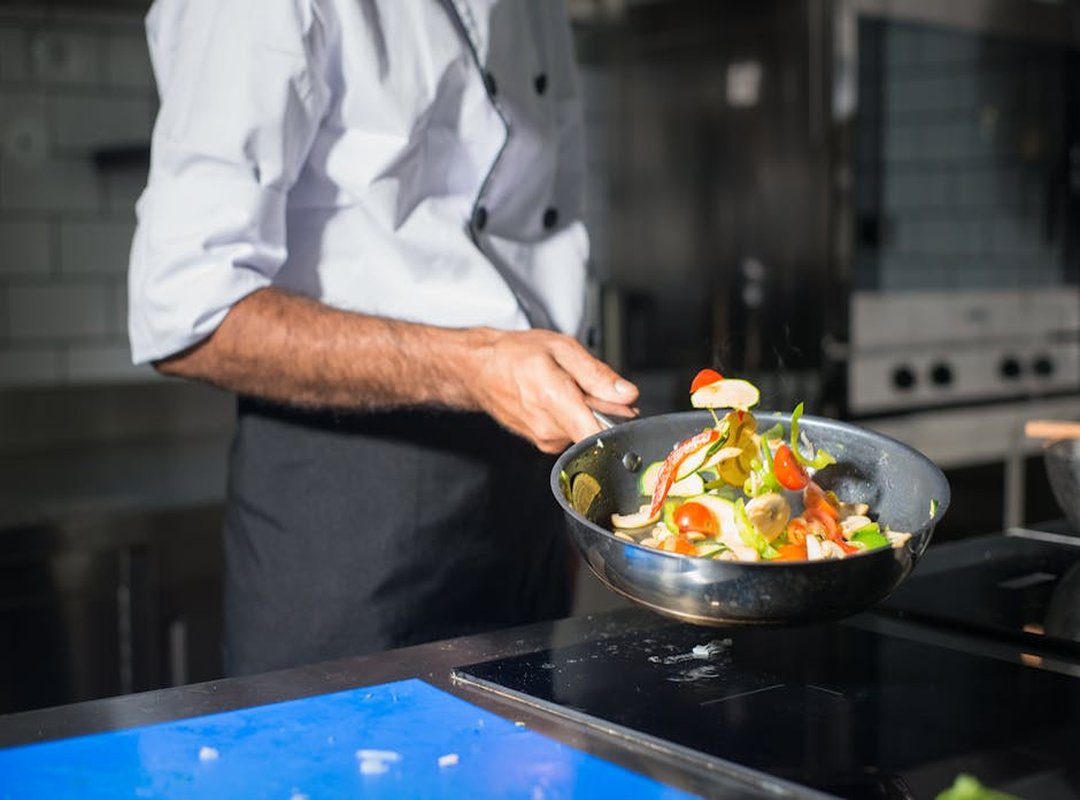
First up, the sizzle. Heat up that wok until it shimmers, then add oil. Immediately toss in your aromatics.
Just 30 seconds, and you’re in business. Ever wonder why it smells so good? That’s the oil blooming their flavor, my friend.
It’s key to nail this step.
Next, the sear. Add your protein in a single layer. Step away from the wok!
Let it sear without moving. This way, you get that beautiful crust. No one wants soggy chicken, right?
Once seared, take it out. It’s all about avoiding that rubbery overcooked mess.
Time for the vegetables. Start with the hard stuff. Add a pinch of salt and stir-fry until they’re tender.
Not wilty. Just tender. Then, throw in the softer veggies and stir until everything’s crisp-tender.
Perfection isn’t about rushing. Well, sometimes it is, but not here.
Then comes the reunion. Toss the protein back in. Give it all a quick mix.
This isn’t a slow dance. It’s a quick reunion party in your wok.
Finally, the sauce. Pour it around the edge of the wok, letting it hit the hot metal. Magic happens here.
The sauce caramelizes and hugs your ingredients. Toss quickly until it thickens.
These are my stir fry tips. Practice makes it easier, I swear. And if you’re into cooking challenges, maybe try to bake bread like pro.
Cooking’s an art, not a chore. Let’s make it tasty.
Beyond Soy Sauce: Crafting Unforgettable Flavors
Tired of bland stir-fries? Yeah, me too. It’s frustrating when all you taste is soy sauce and nothing else.
So let’s fix that.
You’ve got to go beyond the basics. I mean, soy sauce is great, but it shouldn’t be the only star. The secret is in the sauce (or five pillars, really).
Think salty, sweet, sour, umami, and heat. It’s a simple formula but trust me, it works wonders.
Start with bold flavors. Mix 2 parts salty (like soy or fish sauce) with 1 part sweet (honey or sugar). Then add 1 part sour (maybe rice vinegar or lime juice).
Don’t forget the umami depth with oyster sauce or miso. Finish with a kick of heat using chili garlic sauce or gochujang. Maybe add a cornstarch slurry for thickening if you’re feeling fancy.
Now let’s talk inspiration. Thai flavors? Oh, they’re amazing.
Try fish sauce combined with lime juice, palm sugar, and a hit of Thai chili paste. You get that tangy, sweet, and spicy balance. Or maybe you want something Sichuan-inspired?
Doubanjiang is your friend. Pair it with black vinegar, soy sauce, and a touch of sugar for a spicy, savory mix.
Use these stir fry tips to transform your dishes. It’s not rocket science, just a bit of trial and taste. Once you master this master sauce, you’ll never go back to boring meals again.
So next time you whip up a stir-fry, remember these pillars. They’re game-changing.
Fire Up Your Wok
You’ve got what it takes. No more soggy, disappointing stir-fries. The frustration ends here.
You know the drill: master the heat, prep like a pro, follow the sequence, and nail that sauce balance. These aren’t just stir fry tips; they’re your ticket to culinary victory.
Doesn’t it feel good to think about that perfect sizzle? I bet you’re itching to try it. You can almost taste the crisp veggies and perfectly cooked protein.
So, what are you waiting for? Pick your favorite flavors, grab those ingredients, and get your wok sizzling. Your next great meal is just a few steps away.
Dive in and let jalbiteworldfood.com.co guide you further. Transform your kitchen adventures. Make every stir-fry a masterpiece.
Don’t hold back. Cook with confidence.

 There is a specific skill involved in explaining something clearly — one that is completely separate from actually knowing the subject. Mark Bowensouler has both. They has spent years working with world flavor inspirations in a hands-on capacity, and an equal amount of time figuring out how to translate that experience into writing that people with different backgrounds can actually absorb and use.
Mark tends to approach complex subjects — World Flavor Inspirations, Culinary Pulse, Cooking Technique Hacks being good examples — by starting with what the reader already knows, then building outward from there rather than dropping them in the deep end. It sounds like a small thing. In practice it makes a significant difference in whether someone finishes the article or abandons it halfway through. They is also good at knowing when to stop — a surprisingly underrated skill. Some writers bury useful information under so many caveats and qualifications that the point disappears. Mark knows where the point is and gets there without too many detours.
The practical effect of all this is that people who read Mark's work tend to come away actually capable of doing something with it. Not just vaguely informed — actually capable. For a writer working in world flavor inspirations, that is probably the best possible outcome, and it's the standard Mark holds they's own work to.
There is a specific skill involved in explaining something clearly — one that is completely separate from actually knowing the subject. Mark Bowensouler has both. They has spent years working with world flavor inspirations in a hands-on capacity, and an equal amount of time figuring out how to translate that experience into writing that people with different backgrounds can actually absorb and use.
Mark tends to approach complex subjects — World Flavor Inspirations, Culinary Pulse, Cooking Technique Hacks being good examples — by starting with what the reader already knows, then building outward from there rather than dropping them in the deep end. It sounds like a small thing. In practice it makes a significant difference in whether someone finishes the article or abandons it halfway through. They is also good at knowing when to stop — a surprisingly underrated skill. Some writers bury useful information under so many caveats and qualifications that the point disappears. Mark knows where the point is and gets there without too many detours.
The practical effect of all this is that people who read Mark's work tend to come away actually capable of doing something with it. Not just vaguely informed — actually capable. For a writer working in world flavor inspirations, that is probably the best possible outcome, and it's the standard Mark holds they's own work to.