Stuck in a pizza rut? Tired of the same old pepperoni and margherita? I get it.
You crave something bold, something that’ll make you rethink pizza altogether.
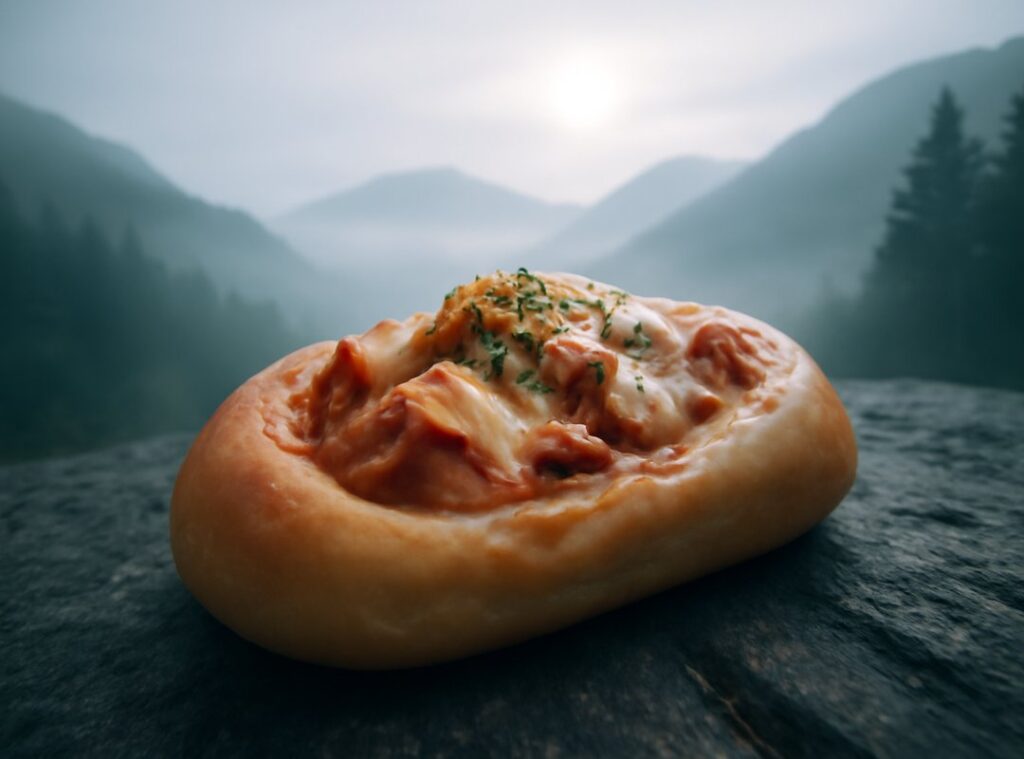
I’ve been obsessed with global food fusion, spending countless hours in my kitchen perfecting the ultimate flavor explosion. Imagine cheesy, savory pizza meeting the tangy, spicy crunch of fermented vegetables. Yes, I’m talking about kimchi pizza bread.
This isn’t just another pizza (it’s) an experience.
You’re about to discover a complete, easy-to-follow recipe that’ll wow your friends and family. Trust me, once you try it, there’s no going back.
Beyond Pepperoni: The Korean Pizza Revolution
Korean-style pizza is something else entirely. Forget your usual tomato sauce; we’re talking about a base made with gochujang, sesame oil, and maybe a drizzle of honey. This isn’t just a topping swap.
It’s a full-on flavor makeover. The goal? Balance.
Spicy, sweet, savory, and tangy all come together in a way that makes your tastebuds sit up and take notice.
to the proteins. Bulgogi beef and spicy pork are the stars here. They aren’t just there to fill you up.
But here’s where it gets interesting: the blend of flavors. It’s not just about being spicy or sweet. It’s about that unique Korean knack for balance.
They’re there to create harmony with toppings like green onions or even kimchi. Yes, kimchi pizza bread is a thing, and it’s magical.
How do they do it? Beats me, but it works. If you’re curious about other fusion wonders, you might want to learn more.
So next time you’re reaching for that plain old pepperoni, stop. Think about what Korean-style has to offer. It’s not just pizza; it’s an experience.
The Magic of Fermentation: Veggie Toppings That Wow
Fermented vegetables are the real MVPs on pizza. Why? Because they bring complex umami and sour notes that cut through all that cheesy richness.
It’s like a flavor explosion in your mouth. Ever tried a kimchi pizza? If not, you’re missing out.
Let’s start with the classic: Baechu-Kimchi. This napa cabbage wonder is spicy, garlicky, and crunchy. It’s not your average topping.
Just make sure you drain and chop it before tossing it on your pizza. You don’t want a soggy crust (and nobody likes that).
Then there’s Kkakdugi, or cubed radish kimchi. This one has a firm, crunchy texture and a refreshing bite. It’s like biting into a crisp apple, but with a spicy twist.
Perfect for those who crave a little more crunch in their bite.
And don’t forget Oi Sobagi. This stuffed cucumber kimchi is crisp and adds a lighter, fresher element to your pie. It’s like the cool cousin of the kimchi family.
Great for summer pizza nights when you want something refreshing.
Here’s a pro tip for you: Pat those fermented veggies dry with a paper towel before adding them to your pizza. Trust me, this step is key. It prevents your crust from turning into a soggy mess.
No one wants that.
So, next time you’re whipping up some kimchi pizza bread, think beyond the usual toppings. Fermented veggies aren’t just trendy; they’re downright delicious. Go ahead, give them a try.
Your taste buds will thank you.
From Dough to Delicious: Your Korean-Style Pizza Recipe
The Perfect Dough: Let’s start with the foundation. You want a dough that’s got a bit of chew, right? Here’s a simple recipe: mix flour, water, yeast, and a pinch of salt until it comes together (not too sticky, but not dry). Let it rise until doubled. If you’re busy (aren’t we all?), grab a good quality store-bought dough. It saves time and still works wonders.
The Savory Gochujang Sauce: Time for the magic. No cooking needed. Just mix gochujang, soy sauce, sesame oil, minced garlic, and a touch of rice vinegar or honey. This sauce is spicy, tangy, and a little sweet. Perfect for our pizza. You can adjust the heat by adding more or less gochujang. Taste as you go. Who likes surprises, anyway?
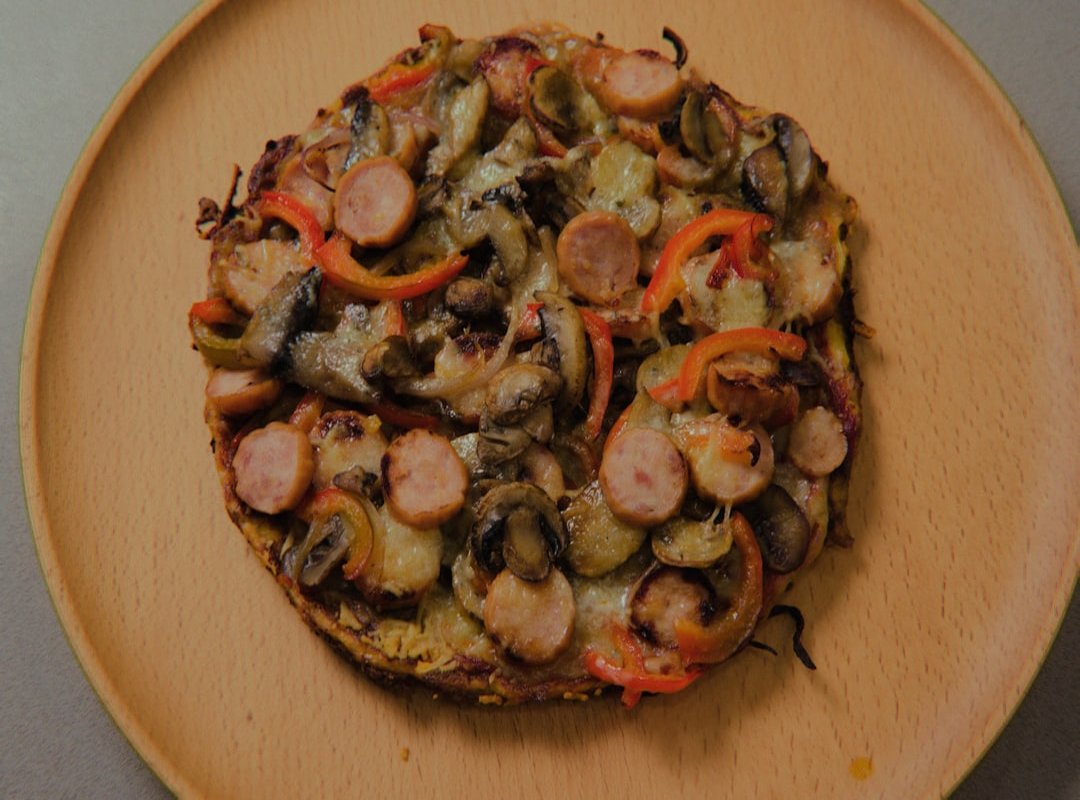
Cheese & Topping Assembly: Now, let’s build. Start with a layer of low-moisture mozzarella. It melts beautifully and isn’t too greasy. Then, here’s the trick: add the kimchi pizza bread toppings last. For that crunch, toss your fermented veggies on in the final minutes of baking. Consider adding sliced scallions for a bit of freshness and toasted sesame seeds for nuttiness. After baking, drizzle some spicy mayo on top. Trust me, it makes everything better.
Baking Instructions: Preheat your oven to 475°F (245°C). A hot oven is your best friend here. Slide your creation onto the middle rack and bake for 10-12 minutes. Keep an eye out. When the crust is golden brown and cheese is bubbly, it’s ready. Doesn’t that sound amazing?
Now, back to real life. I know we’re cooking up Korean-style pizza, but if you’re curious about flavors meeting in unexpected ways, check out this mediterranean thai fusion salad. It’s a spin on two bold cuisines blending together.
Kind of like what we just did here, right?
Pro tip: if you want even more flavor (who doesn’t?), brush the crust edges with garlic-infused oil before baking. It adds an extra layer of deliciousness that you’ll want to devour.
I can’t stress enough how this pizza brings together the unique tang of fermented veggies and the heat of gochujang. It’s not your regular slice. It’s an adventure.
And isn’t that what makes cooking so fun? You get to travel the world without leaving your kitchen. Plus, it’s a conversation starter.
You know, when you need to impress friends or just someone special.
So, why make this? Because it’s different. In a world of pepperoni and plain cheese, why not go for something bold?
Something that tells a story. Each bite is a mix of cultures, and that’s pretty special. Plus, once you’ve made it, you’ll realize how simple it is.
Isn’t that a win?
And there it is. The Korean-style pizza with a twist. Ready to become your new favorite, I bet.
It’s not just about cooking; it’s about exploring. So go on, give it a try. You might just find your new favorite dish.
Level Up Your Pizza Night: Pro Tips & Flavor Pairings
Pizza night is sacred. Let’s make it legendary. Start with the basics: pre-heat your pizza stone or steel.
Trust me, it makes the crust crispier and irresistible. Ever tried a Korean lager with your slice? Cass or Hite are my go-to.
They cut through the spice and refresh your palate. If wine’s more your thing, a slightly off-dry Riesling works wonders with those spicy and tangy notes.
Now, let’s talk toppings. Kimchi pizza bread is a game-changer. Want to add sweetness and texture?
Throw on some corn, thinly sliced onions, or mushrooms. Experimentation is your friend here.
Worried about heat levels? For less spice, opt for a mild gochujang. Rinsing your kimchi briefly before chopping can tone it down too.
It’s all about balance. Pro tip: don’t be afraid to play with flavors. Your taste buds will thank you.
Unleash Your Inner Pizza Artisan
You’re ready to escape the monotony of plain pizza nights, right? Now you’ve got the blueprint for something far more exciting. Enter the world of kimchi pizza bread.
It’s not just about making pizza; it’s about creating a masterpiece bursting with flavors. Savory? Check.
Spicy? You bet. Tangy and cheesy?
Absolutely. This Korean-style fusion delivers a punch in every slice.
So, what are you waiting for? Grab those ingredients. Try the recipe this week.
And when you do, don’t forget to share your fantastic creations. This is your chance to revolutionize your pizza game.

 Ismaeler Lennoncier writes the kind of world flavor inspirations content that people actually send to each other. Not because it's flashy or controversial, but because it's the sort of thing where you read it and immediately think of three people who need to see it. Ismaeler has a talent for identifying the questions that a lot of people have but haven't quite figured out how to articulate yet — and then answering them properly.
They covers a lot of ground: World Flavor Inspirations, Cooking Technique Hacks, Culinary Pulse, and plenty of adjacent territory that doesn't always get treated with the same seriousness. The consistency across all of it is a certain kind of respect for the reader. Ismaeler doesn't assume people are stupid, and they doesn't assume they know everything either. They writes for someone who is genuinely trying to figure something out — because that's usually who's actually reading. That assumption shapes everything from how they structures an explanation to how much background they includes before getting to the point.
Beyond the practical stuff, there's something in Ismaeler's writing that reflects a real investment in the subject — not performed enthusiasm, but the kind of sustained interest that produces insight over time. They has been paying attention to world flavor inspirations long enough that they notices things a more casual observer would miss. That depth shows up in the work in ways that are hard to fake.
Ismaeler Lennoncier writes the kind of world flavor inspirations content that people actually send to each other. Not because it's flashy or controversial, but because it's the sort of thing where you read it and immediately think of three people who need to see it. Ismaeler has a talent for identifying the questions that a lot of people have but haven't quite figured out how to articulate yet — and then answering them properly.
They covers a lot of ground: World Flavor Inspirations, Cooking Technique Hacks, Culinary Pulse, and plenty of adjacent territory that doesn't always get treated with the same seriousness. The consistency across all of it is a certain kind of respect for the reader. Ismaeler doesn't assume people are stupid, and they doesn't assume they know everything either. They writes for someone who is genuinely trying to figure something out — because that's usually who's actually reading. That assumption shapes everything from how they structures an explanation to how much background they includes before getting to the point.
Beyond the practical stuff, there's something in Ismaeler's writing that reflects a real investment in the subject — not performed enthusiasm, but the kind of sustained interest that produces insight over time. They has been paying attention to world flavor inspirations long enough that they notices things a more casual observer would miss. That depth shows up in the work in ways that are hard to fake.