
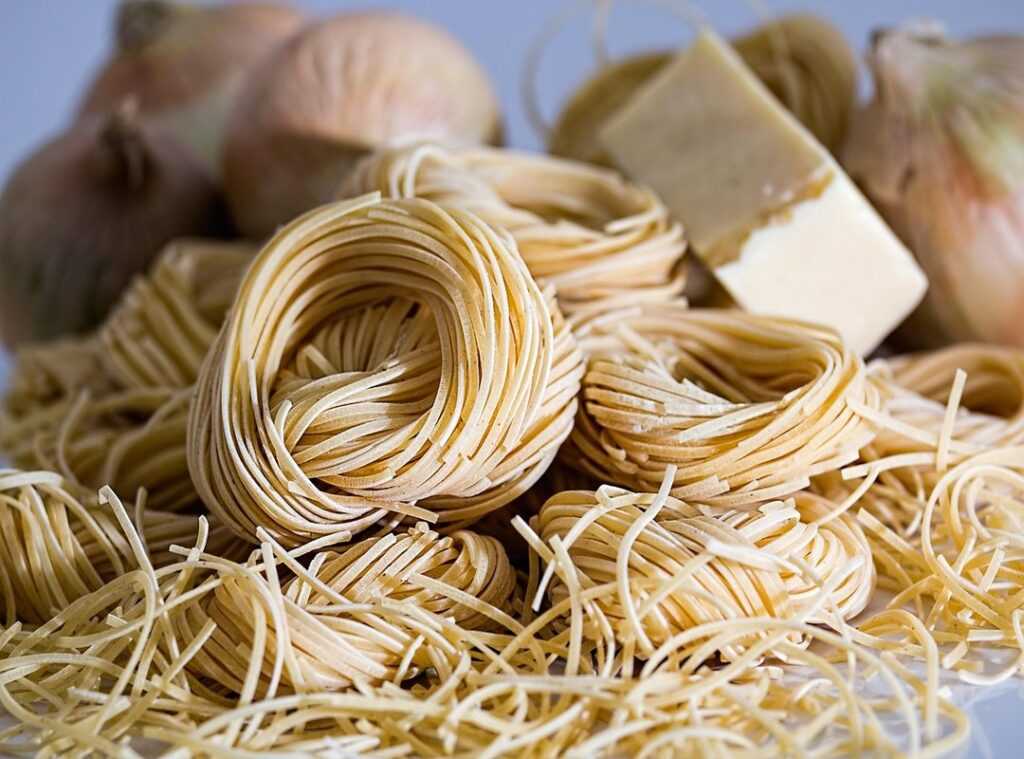
Ever stood in a grocery aisle, staring at countless pasta shapes, feeling utterly perplexed? You’re not alone. It’s a common culinary dilemma.
But don’t worry, this guide is here to break down the mystery of italian pasta varieties. With my deep passion for global cuisines and hands-on experience, I’ll help you pair any shape with its perfect sauce.
Why stick to the same old spaghetti when there’s a whole world of pasta waiting? This isn’t just another list. It’s a deep dive into why classic pairings work, turning your confusion into confidence.
Trust me, by the end, you’ll be crafting restaurant-quality dishes right at home. Ready to transform your pasta game? and make your next meal unforgettable!
The First Rule of Pasta: Understanding the Families
Pasta. It’s not just food; it’s a lifestyle. But where do you start with all these italian pasta varieties?
Let’s break it down. First, there’s the great divide: long vs. short pasta. Long pasta like spaghetti and fettuccine is for twirling (think of it like a paintbrush for sauce).
Short pasta, like penne and fusilli, is for scooping and trapping. They’re the spoons and cups of the pasta world.
Now, let’s talk texture. Ever wonder why some pasta is smooth and others have ridges? Those ridges (or rigate) are the secret to catching sauce.
They create more surface area and little channels, making them perfect for thinner sauces. Imagine a simple tomato sauce. Penne rigate holds onto it like a pro while penne lisce just lets it slide off.
It’s like choosing between Velcro and a smooth surface (one) grips, the other slips.
And here’s the fun part: exploring these varieties is like a journey through different cultures. Just as mexican street food staples offer a taste of Mexico’s lively streets, diving into pasta lets you savor the essence of Italy.
Feeling overwhelmed by choices? Don’t be. Start with a few favorites and expand from there.
You’ll soon find your go-to pasta for every sauce and occasion. Trust me, once you get the hang of it, your kitchen will become your own little Italian trattoria. So grab a fork (or a spoon) and start experimenting.
Your taste buds will thank you.
Mastering the Strands: A Guide to Long Pasta and Sauces
to the world of long pasta shapes. Spaghetti and angel hair, the delicate darlings of Italian pasta varieties, have a way of charming us with their simplicity. But here’s the deal: these thin strands can be easily overwhelmed.
They truly shine when paired with light, oil-based sauces like Aglio e Olio. Ever tried them with seafood vongole or fresh, uncooked tomato sauce? The goal is to coat your pasta, not drown it.
Every bite should be a gentle embrace of flavor.
Now, let’s talk about the sturdy champions (fettuccine) and tagliatelle. These wider, flatter ribbons can take on the rich and creamy sauces without breaking a sweat. Think about the luscious Alfredo or a hearty meat ragù.
Ever noticed how they hold onto every bit of that velvety goodness? They’re like the pasta equivalent of a cozy blanket.
And then, there’s linguine and bucatini, the versatile all-stars. Linguine sits perfectly in the middle ground. It’s ideal for pestos and sauces with small, chopped ingredients.
You know those bits that get caught in the strands? They create a beautiful harmony of texture and taste. Bucatini, on the other hand, is a special case.
With its hollow center, it traps sauce, making it a star for Amatriciana or Carbonara. It’s almost like a secret tunnel for flavor.
Curious about more pasta takeaways? Check out this italian pasta guide for a deeper dive. But here’s a pro tip: always remember to match the sauce with the pasta type.
It’s not just about taste. It’s about the experience. Whether you’re twirling spaghetti or savoring fettuccine, let each dish tell its own delicious story.
The Art of the Scoop: Perfect Pasta Pairings
When it comes to italian pasta varieties, short shapes are my go-to. Why? They’re engineered to be flavor vehicles.

Think about it. Those chunky, complex sauces need a partner in crime. Short pasta steps up to the plate. ### Tubes: Champions of Hearty & Baked Dishes
Penne and rigatoni are the heavy-lifters here. Their hollow bodies and ridged exteriors? Genius design.
They grab onto thick, meaty sauces like nobody’s business. Baked ziti? Yes, please.
Even in rich vodka-style sauces, they hold their own. Structural integrity matters (especially when you’re hungry).
Spirals: Twists That Trap Every Drop
Fusilli and rotini are the twisty maestros. Their corkscrew shape is not just for show. It traps every drop of sauce.
Pesto, broken-up veggie sauces, or even a good old pasta salad, these spirals make sure every forkful is a burst of flavor. You won’t be left with a dull bite, I promise.
Scoops: Little Cups of Flavor
Orecchiette and shells are like edible spoons. Each piece is a mini-bowl of goodness. Perfect for chunky sauces with small delights like crumbled sausage or peas.
Broccoli florets and chickpeas? They love these scoops. Every piece delivers a complete bite of pasta and sauce.
It’s like a little party in your mouth.
Feeling inspired? You should be. But let’s not stop here.
If you’re exploring culinary creativity, consider diving into important spices indian cooking. Understanding spices can transform your pasta game. Trust me, your taste buds will thank you.
So, what pasta shape are you reaching for next? It’s time to rethink your pantry staples. These short pasta shapes aren’t just filling your plate; they’re elevating your meal.
And that’s worth every bite.
Exploring the Pasta Pantry: Specialty & Soup Shapes
to some underrated, but truly delightful pasta shapes. Everyone’s familiar with spaghetti and penne, right? But what about the tiny, unassuming stars of the soup world like ditalini, orzo, and stelline?
These little gems add just the right amount of substance to soups like minestrone or pasta e fagioli. They’re there to complement, not dominate.
Then there’s filled pastas like ravioli and tortellini. These are a whole meal in themselves. Why drown them in heavy sauces when they’re already bursting with flavor?
For those who love a bit of kitchen adventure, I have a suggestion. Ever tried cooking with paccheri? These large tubes can be filled or paired with a hearty seafood ragù.
A simple brown butter and sage sauce or a light tomato sauce lets their fillings shine. Trust me, less is more here.
It’s for when you want to impress. These italian pasta varieties offer so much versatility. Ready to give them a whirl?
Spice Up Your Pasta Night
Feeling overwhelmed in the pasta aisle? I get it. But now you know better.
The pasta shape isn’t just a random choice. It’s a tool to raise the sauce. Who knew italian pasta varieties held such power?
You’ve got the knowledge now to choose with confidence. Remember, texture and shape are your best friends here. So next time, pick a new shape.
Try something bold. Mix it up with a fresh sauce. Dive into other recipes.
Explore more guides. You’re not just making dinner. You’re crafting a masterpiece.
Ready to impress your taste buds? Go ahead. Make it happen.

 Ismaeler Lennoncier writes the kind of world flavor inspirations content that people actually send to each other. Not because it's flashy or controversial, but because it's the sort of thing where you read it and immediately think of three people who need to see it. Ismaeler has a talent for identifying the questions that a lot of people have but haven't quite figured out how to articulate yet — and then answering them properly.
They covers a lot of ground: World Flavor Inspirations, Cooking Technique Hacks, Culinary Pulse, and plenty of adjacent territory that doesn't always get treated with the same seriousness. The consistency across all of it is a certain kind of respect for the reader. Ismaeler doesn't assume people are stupid, and they doesn't assume they know everything either. They writes for someone who is genuinely trying to figure something out — because that's usually who's actually reading. That assumption shapes everything from how they structures an explanation to how much background they includes before getting to the point.
Beyond the practical stuff, there's something in Ismaeler's writing that reflects a real investment in the subject — not performed enthusiasm, but the kind of sustained interest that produces insight over time. They has been paying attention to world flavor inspirations long enough that they notices things a more casual observer would miss. That depth shows up in the work in ways that are hard to fake.
Ismaeler Lennoncier writes the kind of world flavor inspirations content that people actually send to each other. Not because it's flashy or controversial, but because it's the sort of thing where you read it and immediately think of three people who need to see it. Ismaeler has a talent for identifying the questions that a lot of people have but haven't quite figured out how to articulate yet — and then answering them properly.
They covers a lot of ground: World Flavor Inspirations, Cooking Technique Hacks, Culinary Pulse, and plenty of adjacent territory that doesn't always get treated with the same seriousness. The consistency across all of it is a certain kind of respect for the reader. Ismaeler doesn't assume people are stupid, and they doesn't assume they know everything either. They writes for someone who is genuinely trying to figure something out — because that's usually who's actually reading. That assumption shapes everything from how they structures an explanation to how much background they includes before getting to the point.
Beyond the practical stuff, there's something in Ismaeler's writing that reflects a real investment in the subject — not performed enthusiasm, but the kind of sustained interest that produces insight over time. They has been paying attention to world flavor inspirations long enough that they notices things a more casual observer would miss. That depth shows up in the work in ways that are hard to fake.