
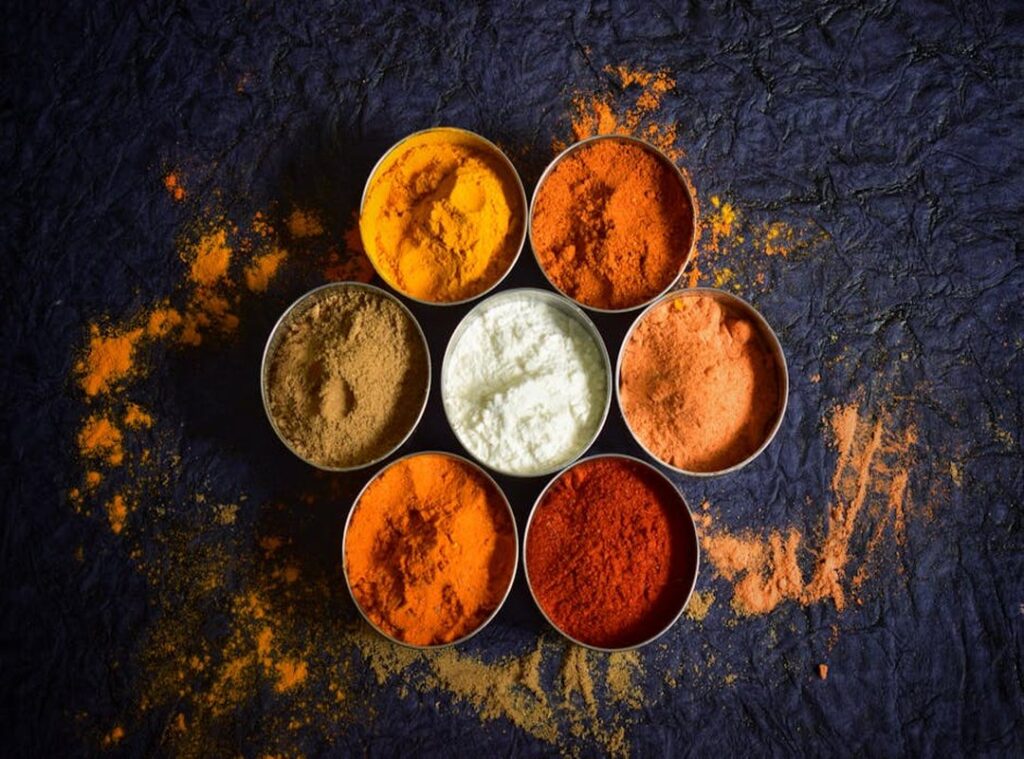
You know that mouthwatering aroma when you walk past an Indian restaurant? It’s magical, right? The thought of recreating it at home sounds great until you see the endless list of spices.
Overwhelming, isn’t it? Don’t worry. I’ve been there too.
This guide is here to cut through the noise. We’ll focus on the important indian cooking spices. No need to fill your pantry with jars you’ll never use.
Let’s keep it simple.
I’ll show you which spices matter, how they transform your dishes, and why they’re worth a spot in your kitchen. Trust me, I’ve spent years exploring flavors from around the world, and I know how intimidating it can be to try something new. By the end, you’ll feel confident, ready to bring those flavors home.
The ‘Big Five’: Your Foundation for Authentic Flavor
Let’s get straight to the point. If you’re diving into Indian cooking, you need these five non-negotiable spices. They are the backbone of authentic flavor.
Trust me, without them, you’re just pretending.
Let’s start with cumin. This spice is earthy and warm. It’s the backbone of many curries and adds a depth that’s hard to find elsewhere.
And here’s a pro tip: toast those cumin seeds. It’ll change your life (or at least your curry).
Next up is coriander. It’s citrusy and sweet, bringing a bright note to dishes. Think of it as the balancing act in your spice mix.
It keeps everything from getting too intense.
Then there’s turmeric. It’s peppery and gives dishes their iconic golden hue. You can’t have Indian food without this one.
Seriously, turmeric is like the sun to the earth in Indian cooking.
Mustard seeds are another must. Pungent and nutty when toasted, they add an unexpected kick. Don’t skip this step unless you’re trying to make bland food.
Last but not least, red chili powder. It brings the heat. You want authentic Indian cooking spices?
You need to embrace the spice.
Now, if you’re curious about branching out beyond Indian spices, you might want to explore japanese pantry ingredients. It’s a fantastic way to expand your culinary horizons.
Diving into Indian cooking without these spices is like trying to make guacamole without avocados. You can try, but what’s the point? Just make sure these spices are in your pantry and you’re set for deliciousness.
Spice It Up: Raise Your Pantry
You’ve got your basics down (salt,) pepper, maybe some oregano. But you’re ready for more, right? It’s time to take your culinary game up a notch. to the world of indian cooking spices that add depth and complexity to your dishes.
First up, cardamom. Often found in chai tea, this spice brings a sweet, floral note to your recipes. It’s not just for drinks, though.
Try it in a rice pudding or even a savory curry. Trust me, you’ll thank me later. Whole pods last longer and pack a punch.
Next, cloves. These little guys are intense, almost medicinal. They’re important in rice dishes like biryani.
And yes, they can be overpowering if you’re not careful. Whole cloves keep their flavor longer, while ground cloves work if you’re in a rush.
Cinnamon. Or cassia, depending on your preference. Warm and sweet, it’s not just for desserts.
Ever tried it in a Moroccan tagine? You should. The difference between whole and ground is noticeable.
Whole sticks are a must-have for longer cooking times.
Fenugreek is a bit of a wildcard. It’s bittersweet and has a maple-like aroma. You might find it in pickles or as a secret ingredient in curry.
If you’re feeling adventurous, try adding it to a homemade chutney.
Lastly, asafoetida, or hing. It’s pungent and savory, transforming lentil soup (dal) with just a pinch. Seriously, a tiny bit goes a long way.
If you’re curious about more spices, check out indian spices & seasonings. Your pantry deserves the upgrade.
Pro tip: Always buy whole spices when you can. They last longer and deliver more strong flavors. Grinding them fresh?
That’s the secret to a truly aromatic dish. Welcome to the next level of cooking. You won’t regret it.
Spice Up Your Life: A Masala Journey
Ever find yourself confused by the word “masala”? You’re not alone. It just means “spice blend” in Hindi.
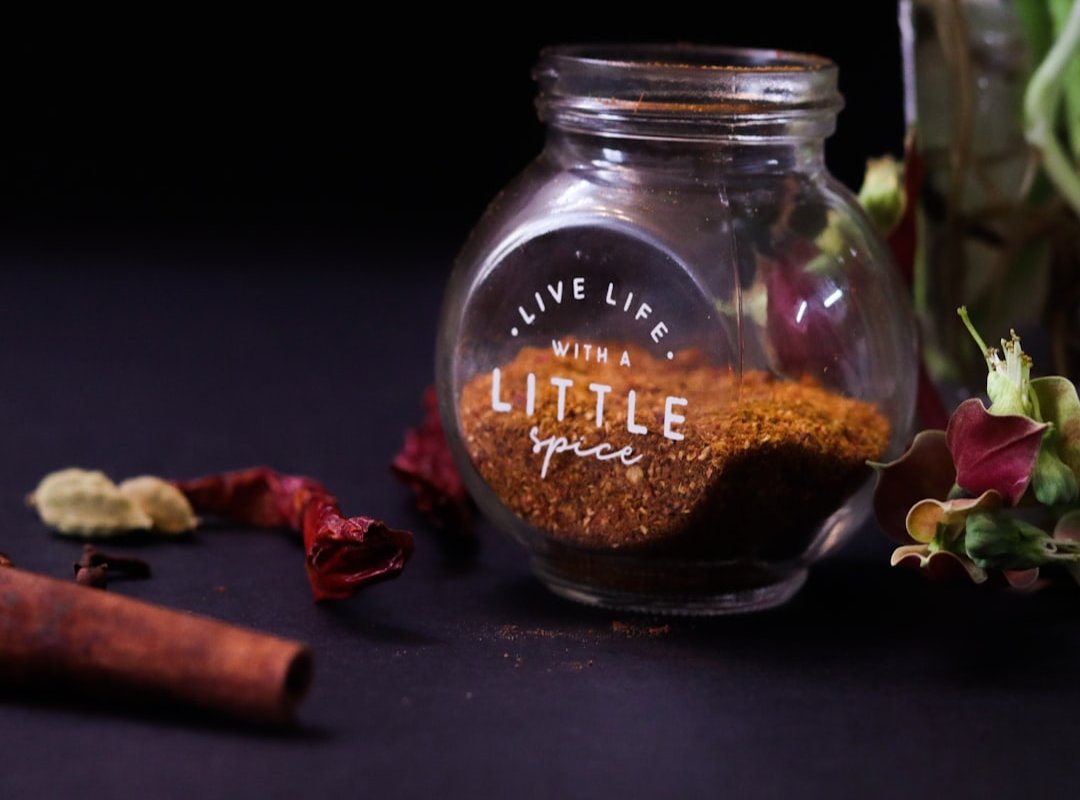
Simple, right? Yet, this simple term sets the stage for some pretty amazing flavors.
Let’s talk about Garam Masala. It’s like the Captain America of Indian cooking spices: a classic finishing blend that adds warmth and aroma to any dish. Picture this: a pinch of cloves, a dash of cinnamon, a sprinkle of cardamom.
These ingredients team up at the end of your cooking process to deliver a comforting punch. You don’t want to overdo it, though. Too much and you’ll overpower your dish.
Then there’s Chaat Masala, the wild card of the spice world. It’s a zingy mix, thanks to its tangy and funky flavor notes. Amchur (dried mango powder) and kala namak (black salt) make it stand out.
It’s perfect on snacks and salads, adding a pop of flavor that’s hard to resist. Think of it like that surprise twist in a movie you didn’t see coming.
Pro tip: Making your own Garam Masala isn’t hard. Take a minute or two and you’ll have a homemade version that’s just as good as store-bought. Mix together some common pre-ground spices: cumin, coriander, and black pepper with the big three (cloves,) cinnamon, cardamom.
There you have it, your own 2-Minute Homemade Garam Masala.
And hey, if you’re interested in diversifying your culinary repertoire, you might want to check out this guide on Italian pasta varieties. It’s not all about masalas, after all.
In the end, whether you’re wrapping up a rich curry or spicing up street food, these masalas have got you covered. So, are you ready to spice up your cooking game?
Spice It Up: The Secrets of Buying, Storing, and Flavoring
When it comes to Indian cooking spices, freshness is key. I always hunt down local Indian grocery stores. Why?
Because spices like cumin and coriander are fresh and often cheaper there. Plus, you don’t end up with those dusty jars lingering in your pantry for years. Start with small quantities.
Test before you invest.
Now, storing. Spices hate heat, light, and air (sounds like a detective novel, right?). They lose their magic when exposed to these elements.
Use airtight containers and stash them in a cool, dark cupboard. It’s the difference between a dull dish and one bursting with flavor.
Here’s a pro tip: “tempering” or “tadka.” Ever heard of it? It’s when you bloom whole spices in hot oil or ghee. Imagine unlocking their important oils and getting a nutty, aromatic experience.
It’s chef-level magic, trust me. I mean, would Gordon Ramsay serve bland curry? No way.
These aren’t just tips. They’re secrets that can transform your kitchen game. Don’t just take my word for it.
Check out your local spice aisle, and give these methods a go. You’ll see (or taste) the difference immediately. Your taste buds will thank you.
Spice Up Your Cooking
Jumping into the world of indian cooking spices doesn’t have to feel like scaling Everest. Remember how overwhelmed you felt at first? Here’s the trick: start small.
A few spices can transform your cooking. Trust me, understanding their roles is your secret weapon. Next time you’re at the store, grab one or two new spices.
Toss a pinch into your next dish. See where it takes you. Your kitchen will become your playground, bursting with flavor.
Ready to shake things up? Dive in and discover why we’re the go-to for culinary inspiration. Your taste buds will thank you.