If you’re searching for ways to elevate your cooking with authentic French taste, you’re likely looking for more than just recipes—you want to understand the combinations that make them unforgettable. This article explores the foundations of french flavor pairings, breaking down how classic ingredients work together to create balance, depth, and elegance in every dish.
From herbs and aromatics to sauces, cheeses, and regional specialties, we’ll show you how these pairings developed, why they work, and how you can apply them in your own kitchen. Whether you’re refining a weeknight meal or crafting a dinner-party centerpiece, understanding these flavor relationships is the key to cooking with confidence.
Our insights are grounded in culinary research, traditional techniques, and careful analysis of regional French cuisine, ensuring that what you learn here reflects time-tested practices rather than passing trends. By the end, you’ll not only recognize classic combinations—you’ll know how to use them creatively and effectively.
Understanding the Foundational Pillars of French Flavor
The Concept of Mirepoix
By mastering these quintessential French flavor pairings, you’ll not only elevate your culinary repertoire but also stay ahead of the curve in the vibrant landscape of cuisine, much like the Top Food Trends Shaping Global Dining This Year.
At the heart of classical French cooking lies mirepoix—a humble mix of onion, celery, and carrot gently cooked in fat. This aromatic base forms the backbone of stocks, sauces, and braises. The onions provide sulfurous depth, carrots add subtle sweetness, and celery contributes herbaceous brightness. According to culinary historian Harold McGee in On Food and Cooking, slow cooking these vegetables releases sugars and aromatic compounds that deepen flavor without overpowering a dish. In practical terms, think of beef bourguignon or chicken stock—without mirepoix, they’d taste flat (and frankly, a little lonely).
The Role of Acidity and Fat
Equally essential is the balance between richness and sharpness. French cuisine famously pairs butter, cream, or duck fat with wine, vinegar, or lemon. This contrast isn’t just tradition—it’s chemistry. Fat coats the palate, while acid cuts through it, creating balance. A classic vinaigrette (typically 3:1 oil to vinegar) demonstrates this ratio in action, a standard supported by culinary schools worldwide. Likewise, deglazing a pan with wine dissolves browned bits, intensifying flavor while adding brightness. Pro tip: if a sauce tastes heavy, a splash of acid often fixes it.
Building Umami
Finally, depth comes from umami—the savory taste identified by researcher Kikunae Ikeda in 1908. French chefs build it through browning (the Maillard reaction), concentrated stocks (fonds), mushrooms, and aged cheeses like Comté. Studies published in the Journal of Agricultural and Food Chemistry confirm browning creates hundreds of new flavor compounds. Together, these techniques define classic french flavor pairings and explain why a well-seared steak with pan sauce tastes irresistibly complete.
Mastering Classic Herb & Spice Combinations
Herbes de Provence
To begin with, Herbes de Provence is a rustic dried blend traditionally featuring rosemary, thyme, savory, and oregano. Originating in Southern France, it’s built for sun-soaked ingredients and open-fire cooking. Think lamb rubbed generously before roasting, chicken grilled until the skin crisps, or vegetables caramelized in olive oil. The herbs stand up to heat, releasing essential oils slowly over time. Some cooks insist lavender belongs in the mix; others argue that’s a modern addition aimed at tourists. Honestly, regional variations make certainty tricky—but the core remains sturdy and aromatic.
Fines Herbes
In contrast, Fines Herbes is delicate and always used fresh: parsley, chives, tarragon, and chervil. Rather than enduring long cooking, they’re stirred in at the end. Eggs, light fish, and salads benefit most. The anise note of tarragon paired with soft herbs creates balance without overpowering. If Herbes de Provence is a countryside stew, Fines Herbes is a spring brunch (beret optional).
The Bouquet Garni
Next comes the bouquet garni, typically parsley stems, thyme, and bay leaf tied together. It simmers in soups and stews, quietly infusing depth, then gets removed before serving. It’s subtle but foundational—like a soundtrack you notice only when it’s gone.
Spice Essentials
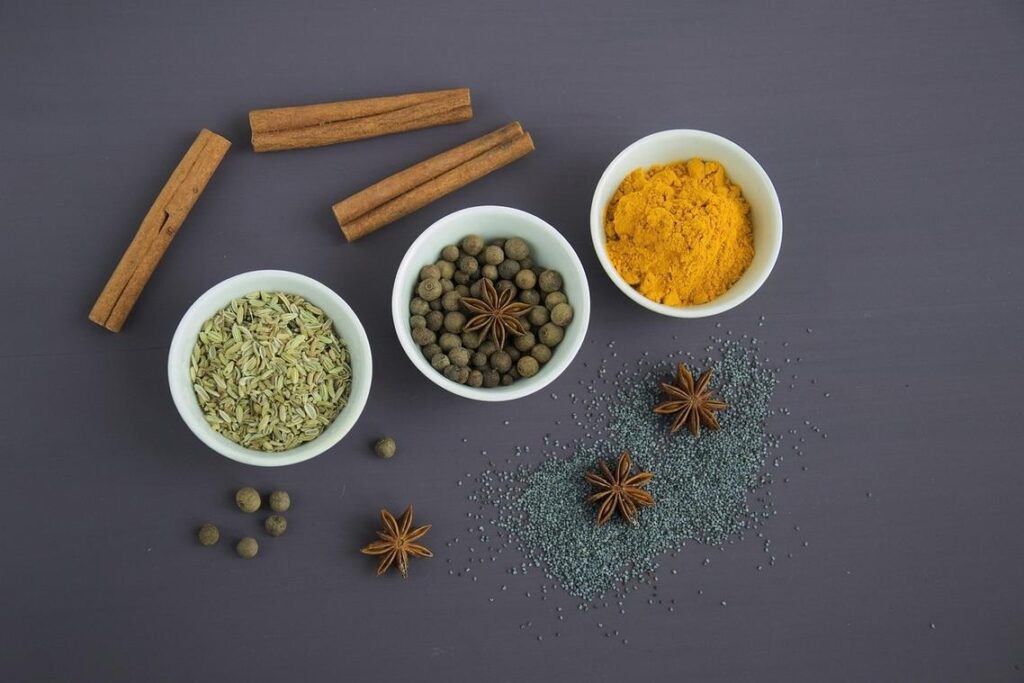
Finally, spices matter just as much. Nutmeg in béchamel adds warmth; cloves enrich stocks with gentle bitterness; and black pepper (poivre) defines Steak au Poivre. These classic french flavor pairings endure for a reason—though, admittedly, exact ratios often depend on taste and tradition rather than strict rules.
The Perfect Marriage: Proteins and Classic Sauces
I still remember the first time I ruined a beautiful steak with the wrong sauce. It was drowned in something overly sweet (a rookie mistake), and the beef lost all its bold character. That night taught me a simple culinary truth: protein and sauce must work like dance partners, not rivals.
Beef (Boeuf): Pair with rich, red wine reduction sauces like Bordelaise or Bourguignonne. Explain how the wine’s tannins cut through the fat of the beef.
Tannins—natural compounds in red wine that create a drying sensation—balance the richness of fatty cuts by cleansing the palate. In practice, a silky Bordelaise transforms a ribeye into something layered and elegant. Some argue a great steak needs nothing but salt and pepper. Fair. But when done right, a wine reduction amplifies rather than masks (think of it as a tailored jacket, not a costume).
Chicken (Poulet): Pair with creamy white sauces like Velouté Allemande, or a simple tarragon cream sauce. Explain how the creaminess complements the lean texture of the poultry.
Lean proteins benefit from fat. Cream-based sauces add moisture and body, preventing dryness while highlighting subtle flavors.
Fish (Poisson): Pair with delicate, emulsified butter sauces like Beurre Blanc or Hollandaise. Explain how the acidity in these sauces brightens the flavor of the fish without overpowering it.
An emulsion—when fat and liquid bind together—creates silkiness. A splash of acidity sharpens mild fish beautifully.
Pork (Porc): Pair with sweet and sour (aigre-doux) flavors, often involving fruit like apples (Normandy) or prunes (Agen), and mustard-based sauces from Dijon.
Pork loves contrast. The sweetness enhances its natural savoriness, while mustard adds bite.
For bolder twists, explore caribbean seasoning blends and how to use them: https://jalbiteworldfood.com.co/caribbean-seasoning-blends-and-how-to-use-them/
Pro tip: Always taste the protein first, then adjust the sauce—not the other way around.
A Journey Through France: Regional Flavor Signatures
Provence sings with olive oil, garlic, and tomato. Drizzle, sauté, then simmer for a quick ratatouille (weeknight magic, no passport required).
Burgundy leans into red wine, mushrooms, and beef. Brown beef first, deglaze with wine, add mushrooms, and braise low and slow—patience builds depth.
Normandy balances cream, apples, and Calvados (apple brandy). Sear chicken, stir in sliced apples, splash Calvados, finish with cream.
Alsace reflects Germanic roots through pork, cabbage, and Riesling wine. Roast pork, braise cabbage with Riesling, serve together.
- Pro tip: Season lightly at first; wine reductions concentrate saltiness.
Bring Global Flavor to Your Kitchen Today
You came here looking for inspiration to elevate your cooking with global flavors, smarter techniques, and creative fusion ideas—and now you have the tools to do exactly that. From mastering essential spices to experimenting with bold french flavor pairings, you’re better equipped to turn everyday meals into memorable culinary experiences.
The real frustration isn’t a lack of recipes—it’s feeling stuck cooking the same dishes over and over. Expanding your flavor knowledge solves that. When you understand how ingredients work together across cultures, your confidence grows and your meals instantly become more exciting.
Now it’s time to take action. Choose one new international ingredient, try one fusion twist, and apply one technique hack in your next dish. Small changes create big flavor results.
If you’re ready to stop cooking on autopilot and start creating restaurant-worthy global meals at home, explore more world flavor guides and put your skills into practice today. Your next unforgettable dish starts now.

 There is a specific skill involved in explaining something clearly — one that is completely separate from actually knowing the subject. Mark Bowensouler has both. They has spent years working with world flavor inspirations in a hands-on capacity, and an equal amount of time figuring out how to translate that experience into writing that people with different backgrounds can actually absorb and use.
Mark tends to approach complex subjects — World Flavor Inspirations, Culinary Pulse, Cooking Technique Hacks being good examples — by starting with what the reader already knows, then building outward from there rather than dropping them in the deep end. It sounds like a small thing. In practice it makes a significant difference in whether someone finishes the article or abandons it halfway through. They is also good at knowing when to stop — a surprisingly underrated skill. Some writers bury useful information under so many caveats and qualifications that the point disappears. Mark knows where the point is and gets there without too many detours.
The practical effect of all this is that people who read Mark's work tend to come away actually capable of doing something with it. Not just vaguely informed — actually capable. For a writer working in world flavor inspirations, that is probably the best possible outcome, and it's the standard Mark holds they's own work to.
There is a specific skill involved in explaining something clearly — one that is completely separate from actually knowing the subject. Mark Bowensouler has both. They has spent years working with world flavor inspirations in a hands-on capacity, and an equal amount of time figuring out how to translate that experience into writing that people with different backgrounds can actually absorb and use.
Mark tends to approach complex subjects — World Flavor Inspirations, Culinary Pulse, Cooking Technique Hacks being good examples — by starting with what the reader already knows, then building outward from there rather than dropping them in the deep end. It sounds like a small thing. In practice it makes a significant difference in whether someone finishes the article or abandons it halfway through. They is also good at knowing when to stop — a surprisingly underrated skill. Some writers bury useful information under so many caveats and qualifications that the point disappears. Mark knows where the point is and gets there without too many detours.
The practical effect of all this is that people who read Mark's work tend to come away actually capable of doing something with it. Not just vaguely informed — actually capable. For a writer working in world flavor inspirations, that is probably the best possible outcome, and it's the standard Mark holds they's own work to.