If you’ve ever stood in the grocery aisle staring at unfamiliar grains—or tasted an incredible dish abroad and wondered how to recreate it at home—you’re in the right place. This global grains guide is designed to help you understand, select, and cook the world’s most essential grains with confidence.
Many home cooks want to expand beyond rice and pasta but aren’t sure where to start. What’s the difference between bulgur and farro? How do you cook millet so it’s fluffy instead of mushy? Which grains work best for salads, stews, or flatbreads? This article answers those questions clearly and practically, so you can bring authentic global flavors into your kitchen.
We’ve drawn on culinary research, traditional preparation methods, and tested kitchen techniques to ensure the guidance here is accurate and easy to follow. By the end, you’ll know how to choose, cook, and pair a variety of grains to elevate everyday meals with international inspiration.
Exploring the world’s grains opens more than your pantry—it expands your palate, nutrition, and creativity. From fragrant basmati rice to nutty farro and protein-rich quinoa, each grain delivers texture, flavor, and health benefits. Whole grains—meaning kernels that retain their bran, germ, and endosperm—are linked to reduced heart disease risk, according to Harvard T.H. Chan School of Public Health. Moreover, rotating grains prevents mealtime boredom and boosts fiber diversity for gut health. With this global grains guide, you’ll confidently swap couscous for millet or noodles for soba, turning dinners into international experiences. Ultimately, mastering grains means flavor, nutrition, and kitchen inspiration.
The Global Staples: Wheat, Rice, and Corn
If you open almost any pantry on Earth, you’ll likely find wheat, rice, or corn. These aren’t just crops—they’re culinary cornerstones.
Wheat (Triticum) is, in my opinion, the most versatile grain. From chewy sourdough to delicate pastries, its gluten (the protein network that gives dough elasticity) makes magic possible. Key varieties include:
- Durum – high in protein, ideal for pasta
- Bread wheat – the backbone of loaves and rolls
- Spelt – nuttier, slightly sweet, and wonderfully rustic
Rice (Oryza sativa) anchors Asian, Latin American, and Middle Eastern cuisines. Long-grain types like basmati and jasmine cook up fluffy and separate, while short-grain varieties like arborio and sushi rice turn creamy or sticky. Texture is everything here (undercook it once and you’ll understand).
Corn (Zea mays) might be the most transformative. Sweet corn is juicy and tender; field corn is starchy, destined for cornmeal, masa, or polenta. Through nixtamalization—a process that soaks corn in an alkaline solution—kernels become masa, the soul of tortillas and tamales.
Some argue trendy ancient grains outshine these staples. I disagree. These three endure because they adapt, absorb flavor, and feed billions (FAO). For deeper exploration, consult a global grains guide and start tasting the world.
Hearty Classics: Exploring Oats, Barley, and Rye
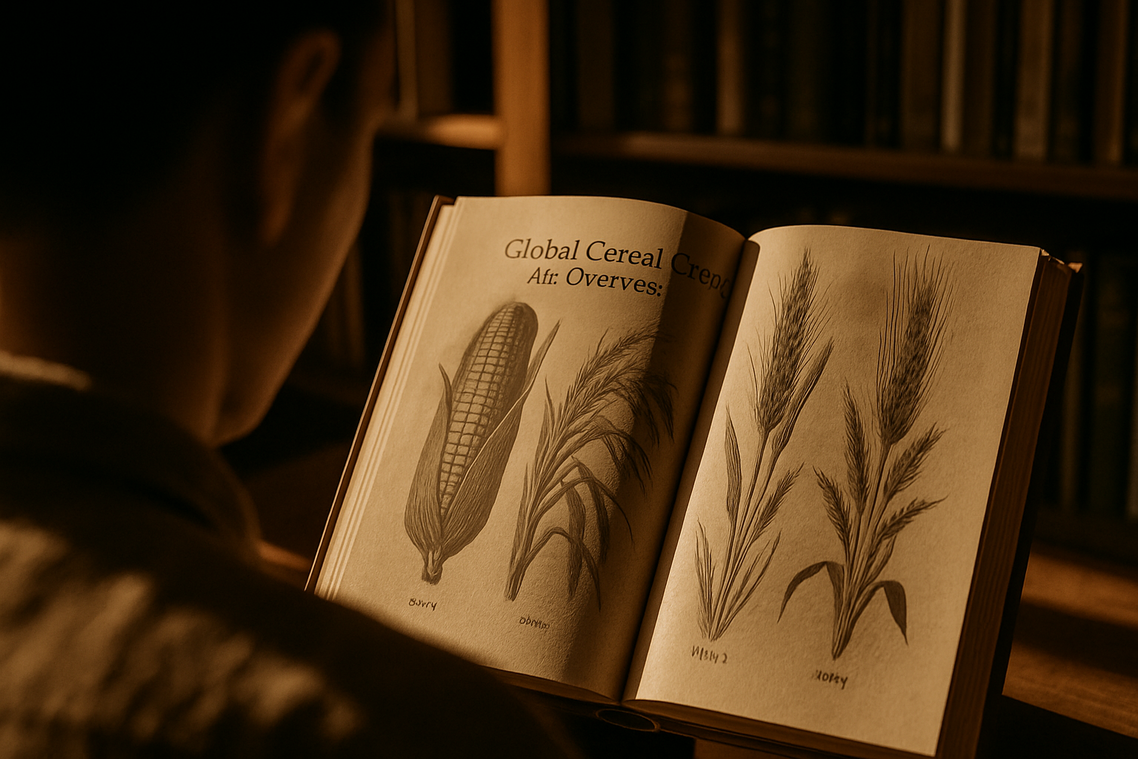
Oats (Avena sativa)
Oats are more than breakfast—they’re a comfort food with range. Steel-cut oats are chopped groats with a chewy bite, rolled oats are steamed and flattened for quicker cooking, and instant oats are pre-cooked for speed (great for busy mornings). Their creamy texture makes them perfect for savory porridges topped with eggs or mushrooms, and they add moisture to baked goods. Benefit: steady energy, thanks to beta-glucan fiber shown to support heart health (Harvard T.H. Chan School of Public Health).
Barley (Hordeum vulgare)
One of the earliest cultivated grains, barley delivers a chewy texture and slightly nutty flavor. Hulled barley keeps its bran for more fiber; pearled barley cooks faster but loses some nutrients. It shines in soups, stews, and pilafs—comfort in a bowl. Toasting barley in a dry pan before simmering deepens flavor (a small step, big payoff).
Rye (Secale cereale)
Rye’s deep, earthy taste defines dense breads like pumpernickel and flavors many distilled spirits. With lower gluten than wheat, it creates tighter crumbs—rich, hearty slices that pair beautifully with bold spreads.
Why explore them?
- Better texture variety in meals.
- More fiber and micronutrients.
- Deeper global flavor inspiration.
For pantry pairing ideas, see essential spices every global kitchen should stock and expand your global grains guide.
The Ancient Grain Renaissance: Quinoa, Farro, and Amaranth
Ancient grains aren’t just a trend—they’re a return to ingredients that fueled civilizations (long before green smoothies were cool).
Quinoa (keen-wah) is a gluten-free pseudo-cereal from the Andes and one of the few plant foods considered a complete protein, meaning it contains all nine essential amino acids (Harvard T.H. Chan School of Public Health). Its mild, nutty flavor and fluffy texture make it endlessly versatile. Always rinse it first to remove saponins—natural compounds that taste bitter (think soap, but edible).
Farro, an ancient wheat, delivers a satisfying chew. There are three types:
- Whole farro: longest cooking time, most nutrients.
- Semi-pearled: some bran removed, cooks faster.
- Pearled: quickest to cook, softer texture.
It shines in salads and risotto-style “farrotto.” Some argue it’s just trendy wheat—but its fiber and protein content suggest staying power (USDA data).
Amaranth, once central to Aztec culture, cooks into a porridge-like texture with a slightly peppery, malty flavor. It can even be popped like corn for crunch.
For a fusion twist, swap bulgur for cooled quinoa in Mediterranean tabbouleh—fresh, gluten-free, and bright.
What’s next? Explore a global grains guide to compare nutrition, storage tips, and flavor pairings before stocking your pantry.
Gluten-Free Wonders: Millet, Buckwheat, and Sorghum
Looking to expand your gluten-free options without sacrificing flavor? Millet, buckwheat, and sorghum deliver nutrition, versatility, and global flair—all while keeping wheat off your plate.
Millet, a small, round seed-grain staple across Africa and Asia, cooks up fluffy like couscous or creamy like polenta. Its mild, slightly sweet, corn-like flavor makes it an easy swap for rice (and far more interesting). Some critics argue millet is bland—but that neutrality is its superpower. It absorbs spices beautifully, making every dish taste intentional, not improvised.
Buckwheat (Fagopyrum esculentum) isn’t related to wheat at all. With its robust, earthy depth, it shines in Japanese soba noodles, French crêpes (galettes), and Eastern European kasha. Yes, its flavor is assertive—but that boldness means more character in every bite (think of it as the espresso of grains).
Sorghum, vital in arid regions, can be simmered into a chewy whole grain, popped like popcorn, or milled into flour for baking. Its mild sweetness makes gluten-free recipes taste balanced, not dry.
For world flavor inspiration, try fermented millet in injera, the spongy Ethiopian and Eritrean flatbread. Exploring these grains through a global grains guide opens culinary creativity, better nutrition diversity, and dependable gluten-free confidence.
Bringing the World of Grains to Your Kitchen
You now have a foundational understanding of the world’s most important grains, and I’ve seen how that knowledge changes cooking. A few years ago, I stood puzzled in the grain aisle, clutching the same bag of rice. Then, gradually, I tried farro, then millet, and dinner felt adventurous. No longer are you limited by the familiar; confusion has been replaced with a map of possibilities. By understanding each grain’s properties, you unlock new textures and flavors. This global grains guide is your starting point. So choose one, experiment, and taste the difference.
Bring Global Flavors to Your Kitchen with Confidence
You came here looking for clarity on how to explore international grains without feeling overwhelmed at the store or unsure in the kitchen. Now you understand how to choose, prepare, and pair diverse staples from around the world with confidence.
Cooking with new grains can feel intimidating—strange names, unfamiliar textures, unpredictable results. But with the right knowledge, those uncertainties turn into creativity, flavor, and meals that truly stand out.
Use this global grains guide as your starting point. Experiment with one new grain this week, apply the cooking techniques you’ve learned, and build a rotation of globally inspired dishes that excite your table instead of repeating the same basics.
If you’re ready to stop guessing and start cooking with bold, authentic world flavors, explore more of our globally inspired recipes and technique breakdowns. Thousands of home cooks rely on our trusted guides to simplify international cuisine—join them and elevate your next meal today.