Ever feel inspired to cook a Thai curry or Moroccan tagine, only to be stopped by a long list of unfamiliar ingredients? You’re not alone. Building a global kitchen can feel overwhelming and expensive—if you don’t know where to start. This guide simplifies the process by highlighting the international pantry staples that form the foundation of the world’s most beloved cuisines. We’ve analyzed traditional recipes, consulted culinary experts, and identified the versatile essentials that deliver authentic flavor without cluttering your shelves. By the end, you’ll have a clear, practical shopping list—and the confidence to cook boldly across borders.
The Foundations of Asian Flavor: Soy, Ginger, and Fermented Funk
When people talk about Asian cooking, they’re often really talking about a handful of powerhouse ingredients that quietly do most of the work. Master these, and you unlock dozens of dishes.
Soy Sauce (Japan/China)
First, soy sauce—the undisputed king of umami (a savory “fifth taste,” identified by Japanese scientist Kikunae Ikeda in 1908). Light soy sauce is thinner and saltier, ideal for seasoning stir-fries and dipping sauces. Dark soy is thicker, slightly sweeter, and used primarily for color and depth in braises. If your fried rice tastes flat, a splash of light soy at the end usually fixes it (pro tip: add it around the edges of a hot pan for better caramelization).
Ginger & Garlic (Pan-Asia)
Next come ginger and garlic, the aromatic base of countless recipes. Ginger brings a warming, peppery brightness; garlic adds pungent depth. Together, they form the flavor backbone of everything from Chinese stir-fries to Indian curries. Studies suggest ginger may help reduce inflammation and nausea (National Center for Complementary and Integrative Health). To peel ginger easily, scrape it with a spoon. Store both in the fridge, wrapped loosely to prevent moisture buildup.
Fish Sauce (Southeast Asia)
Then there’s fish sauce—intensely aromatic, yes, but transformative. Made from fermented fish and salt, it delivers deep savoriness. Balance its saltiness with sugar and lime: think equal parts salty, sweet, and sour for Thai-style dressings.
Gochujang (Korea)
Finally, gochujang, a fermented chili paste blending sweet, savory, and spicy notes. It powers Korean BBQ marinades and stews like Kimchi Jjigae. Mixed with sesame oil and vinegar, it becomes a bold dipping sauce.
If you’re building confidence with international pantry staples, start here—and pair them wisely with oils from this comprehensive beginners guide to world cooking oils and their uses.
Sunshine in a Bottle: Mediterranean Pantry Essentials
The Mediterranean kitchen runs on a few humble ingredients that deliver outsized flavor. Think of them as international pantry staples—the small bottles and tins that quietly transform simple food into something transportive.
First, extra virgin olive oil (EVOO) from Greece, Italy, or Spain. “Extra virgin” means the oil is mechanically pressed without heat or chemicals, preserving antioxidants and flavor (International Olive Council). However, not all EVOO tastes the same. A robust, peppery oil—often high in polyphenols—works beautifully as a finishing oil, drizzled over grilled vegetables or hummus. In contrast, a milder oil is better for everyday sautéing or baking. In other words, treat bold oils like a spice, not just a cooking fat (pro tip: store it away from light and heat to prevent oxidation).
Next, canned San Marzano tomatoes from Italy. These plum tomatoes are prized for low acidity, fewer seeds, and dense flesh, which create naturally sweeter, less bitter sauces (Consorzio San Marzano). As a result, you’ll spend less time adding sugar to balance flavor. They’re the backbone of pasta sauces, minestrone, and slow braises—basically, the co-star in your Sunday gravy (yes, the kind Tony Soprano would defend fiercely).
Then there’s dried oregano, especially Greek or Italian. Surprisingly, dried oregano often tastes more potent than fresh because drying concentrates its essential oils. Consequently, it stands up to long-simmering sauces and roasted meats without fading.
Finally, feta cheese from Greece provides a briny, tangy punch. Its crumbly texture and salty bite cut through rich dishes, balancing salads, roasted vegetables, and spanakopita like a well-timed cymbal crash.
Vibrant Tastes of Latin America: Chiles, Corn, and Citrus
I used to think heat was the whole point of dried chiles. I was wrong. In Mexico, dried chiles are about depth. Take Ancho—smoky, raisin-like, and mild—or Guajillo—bright, tangy, with medium heat. The first time I tossed them straight into a pot, I got bitterness. The lesson? Rehydrate first. Toast lightly, soak in hot water, then blend into a sauce base. That soaking liquid is liquid gold (don’t dump it).
Masa harina taught me another humbling truth. It’s nixtamalized corn flour—corn treated with lime (calcium hydroxide) to unlock nutrients and flavor. I once swapped in regular cornmeal for tortillas. Big mistake. The texture cracked, the flavor fell flat. Masa harina is non-negotiable if you want authentic tortillas or tamales; it’s the backbone of countless dishes and one of those international pantry staples that changes everything.
Then there’s the lime. I underestimated it—until ceviche. Citrus “cooks” fish by denaturing proteins, similar to heat. It also cuts through grilled meats and brightens salsas and cocktails.
If I’ve learned anything, it’s this:
- Respect process.
- Use the right ingredients.
- Balance richness with acid.
Flavor isn’t louder—it’s smarter.
Aromatic Spices of the Middle East and North Africa
Tahini, a silky paste made from ground sesame seeds, is the ultimate shapeshifter. In savory dishes, it blends with chickpeas, garlic, and lemon to create hummus or swirls into smoky baba ghanoush. Yet, just as easily, it sweetens into halva or gets drizzled over cakes (think of it as peanut butter’s worldly cousin). To use it well, stir thoroughly before measuring—the natural oils separate.
Meanwhile, cumin and coriander form the region’s earthy backbone. Cumin is warm and nutty; coriander, lightly citrusy. Together, they anchor spice blends like baharat and slow-simmered tagines. For maximum flavor, toast the whole seeds in a dry pan for 2–3 minutes until fragrant, then grind—this releases aromatic oils (a small step, big payoff).
Finally, sumac delivers a tangy, lemon-like spark. Its deep red flakes brighten salads, kebabs, and dips without adding liquid. Keep these international pantry staples on hand for instant depth.
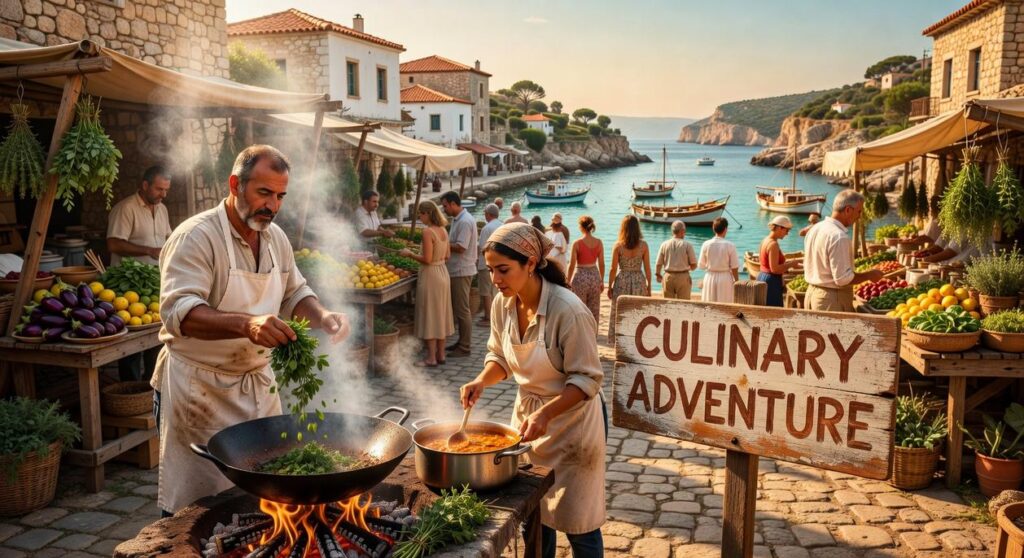
Your Culinary Adventure Starts Now
You’ve discovered how a few international pantry staples act as secret codes to authentic global flavors. No more staring at recipes feeling unsure where to start. Choose one region that excites you, grab two or three key ingredients, and cook one new dish this week. Your world of flavor is waiting—start today.