If you’re searching for fresh inspiration in the kitchen, deeper knowledge of global cuisine essentials, or creative ways to blend international flavors at home, you’re in the right place. This article is designed to help you explore world food traditions with clarity and confidence—whether you’re experimenting with fusion recipes, refining cooking techniques, or looking to recreate dishes inspired by your travels and favorite social media food culture trends.
We’ve carefully analyzed culinary traditions, tested flavor pairings, and studied time-honored cooking methods to ensure the guidance here is practical, accurate, and rooted in real-world kitchen experience. Instead of surface-level trends, you’ll find insights that explain why certain ingredients work together, how techniques influence flavor and texture, and how to adapt global dishes to your own pantry.
By the end, you’ll have actionable ideas, smarter technique hacks, and a broader understanding of world flavors you can confidently bring to your table.
From Your Feed to Your Fork: How We Eat Now
Scroll first, cook later—that’s the new normal. Today, platforms act as our most influential cookbook, shaping what lands on our plates. In simple terms, an algorithm (the system that decides what you see) now influences dinner as much as family tradition. That’s the power of social media food culture.
On one hand, viral recipes spark creativity—think baked feta pasta’s sudden fame. On the other, visual perfection and “what I eat in a day” videos blur the line between inspiration and nutrition advice (not the same thing). So, while your feed offers ideas, your fork still deserves critical thinking.
The Visual Feast: When Food Becomes Content
We’ve always heard that we eat with our eyes first. Today, that idea drives entire menus. Visual appeal—meaning the color, texture, and plating design of a dish—now rivals flavor in importance. In a scroll-first world, vibrant dragon fruit smoothie bowls and glossy mirror-glaze cakes aren’t just food; they’re content assets.
Some critics argue this is shallow. If it tastes good, who cares how it looks? Fair point. But presentation has always mattered—think of Japanese kaiseki or French haute cuisine. The difference now is scale. Social media food culture amplifies aesthetics instantly, turning a photogenic croissant into a global trend overnight.
Consider these aesthetic waves:
- Smoothie bowls layered with geometric precision
- Extravagant latte art resembling miniature paintings
- Rainbow-colored bagels and grilled cheese
- Meticulously arranged “pantry porn” shelves
What competitors often miss is the operational shift behind this. Restaurants now prototype dishes under studio lighting before finalizing recipes. Packaging is tested for camera glare. Even garnishes are chosen for color contrast over cost efficiency (yes, microgreens are strategic).
Psychologically, constant exposure to flawless plates recalibrates expectations. Studies on visual cues and appetite suggest appearance can heighten perceived taste and desirability (Spence et al., 2016). The upside? Higher culinary creativity. The downside? Ordinary meals may feel underwhelming—even when they’re delicious.
The Viral Recipe Revolution: Global Flavors in 60 Seconds
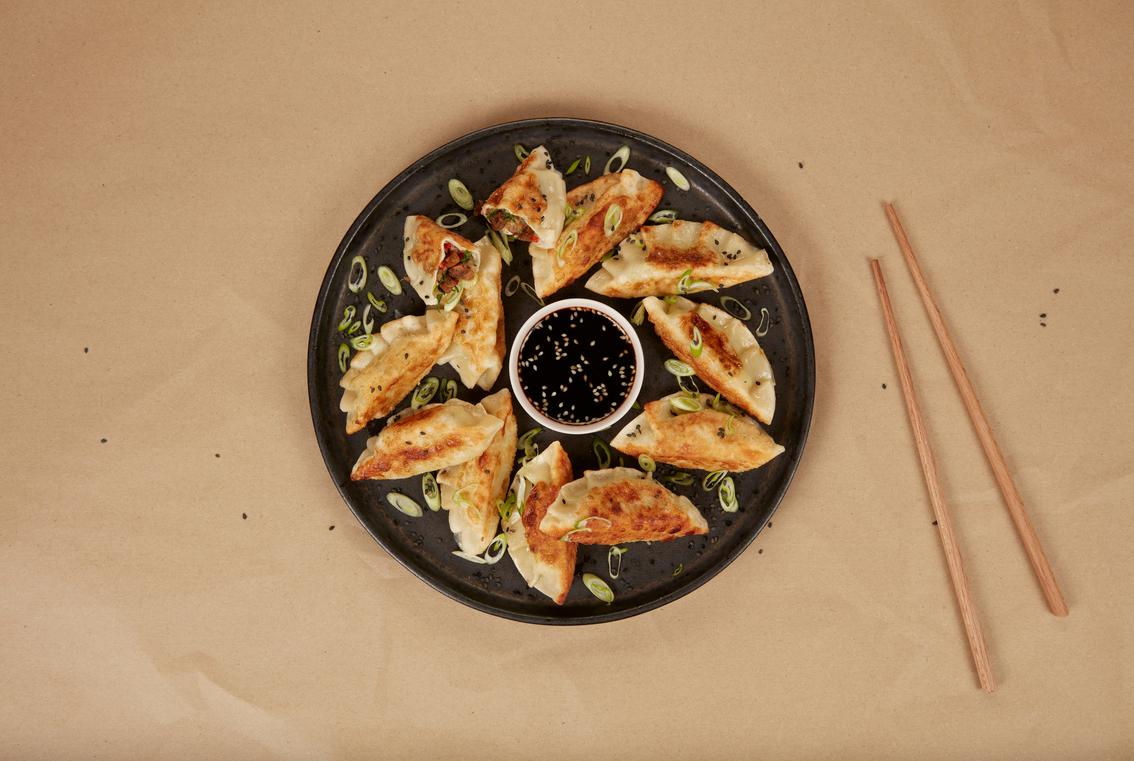
A decade ago, recipes spread through cookbooks and cooking shows. Today, a 60-second clip can turn Baked Feta Pasta or Dalgona Coffee into a global obsession overnight. That’s the power of social media food culture.
Anatomy of a Viral Trend
What makes a simple dish explode online? Usually three things:
- Visual payoff (that dramatic feta melt or whipped coffee peak)
- Ingredient minimalism (five items or fewer)
- Beginner-friendly steps (no culinary degree required)
Compare Baked Feta Pasta vs. a traditional lasagna. Lasagna demands layering, simmering, and patience. Baked feta? Toss, roast, stir. One feels like a Sunday project; the other fits between Zoom calls. Convenience often wins (and algorithms reward it).
Democratizing Global Cuisine
Short-form video has also made global flavors less intimidating. Birria tacos once required specialized knowledge; now, step-by-step clips demystify techniques like slow-braising dried chiles. Gochujang—Korea’s fermented chili paste—has moved from niche aisles to mainstream carts, with sales of global sauces steadily rising in Western markets (Statista).
Home cooks face a choice: stick to familiar flavors or experiment with international staples. The barrier to entry is lower than ever.
The Rise of the “Food Hack”
Food hacks prioritize speed and accessibility: pre-shredded rotisserie chicken vs. roasting from scratch, microwave mug cakes vs. oven baking. Critics argue shortcuts sacrifice authenticity. Sometimes they do. But for beginners, simplified methods build confidence first, precision later.
Fusion and Experimentation
Platforms reward creativity: miso-maple pasta, taco-inspired pizza, or butter chicken sliders. Purists may cringe. Yet fusion reflects how people actually eat—blending heritage with curiosity. In a world of 60-second inspiration, playful experimentation often beats perfection.
The internet has turned nutrition into a spectator sport—and frankly, it’s exhausting.
The Double-Edged Spoon: Navigating Health and Misinformation
We’ve all felt it: scrolling for a simple dinner idea and ending up in a spiral of conflicting diet commandments. One influencer says carbs are toxic. Another insists fruit is “nature’s candy” you should fear. The loudest voices often belong to people with zero clinical training, yet they deliver prescriptive advice as if it’s universal law. (Spoiler: nutrition is highly individual.)
Then there’s the “What I Eat in a Day” trend. These polished snapshots rarely show the full picture—just the curated highlight reel. Viewers compare their normal appetites to someone else’s carefully edited plate and walk away feeling guilty. Research links exposure to idealized food content with increased body dissatisfaction and disordered eating patterns (National Eating Disorders Association).
Algorithms make it worse. Once you click on a carnivore or raw vegan video, your feed can become an echo chamber. Entire food groups get demonized without context, even though dietary guidelines from organizations like the World Health Organization emphasize balance and variety.
So how do you separate fact from fiction in social media food culture?
Watch for red flags:
- Promises of quick fixes
- Claims that one food is “poison” for everyone
- Heavy promotion of proprietary supplements
- Lack of cited research
Real nutrition isn’t extreme. It’s nuanced, occasionally boring, and rarely viral. (Annoying, yes—but far more trustworthy.)
Curating Your Digital Diet: A Practical Guide
Your feed shapes your food choices (more than we like to admit). Here’s how to take control:
- Diversify your feed. Follow registered dietitians, chefs from varied cultures, and food science educators. A mix of voices prevents one-note nutrition advice.
- Use social media as a library, not a rulebook. Save recipes for later, but trust your hunger and fullness cues—your body isn’t an algorithm.
- Engage critically. Before trying a viral hack from social media food culture, check credible sources like peer-reviewed research.
- Mute or unfollow freely. If content sparks guilt, let it go. Peace beats pressure.
Eating mindfully in the age of the algorithm means recognizing timing. Back in 2020, when lockdown scrolling spiked, our feeds quietly became meal planners. Since then, the pull of social media food culture has only intensified. The challenge, however, is balance: inspiration without intimidation, discovery without distortion.
Instead of letting trends dictate dinner, actively curate your feed and question bold claims (if it sounds miraculous, it probably isn’t). Over time, this shift turns scrolling into skill-building.
So this week, try one globally inspired recipe—and unfollow one account that undermines your relationship with food, starting today for lasting perspective and clarity.
Bring Global Flavor Into Your Kitchen Today
You came here looking for fresh inspiration, practical techniques, and authentic global flavors you can actually recreate at home. Now you have the essentials to explore international fusion recipes, master smarter cooking hacks, and confidently experiment with world cuisine.
The frustration of cooking the same repetitive meals — or feeling unsure about bold global flavors — doesn’t have to continue. With the right techniques and cultural insights, your kitchen can become a space of creativity instead of routine.
Food today is shaped by social media food culture, where trends move fast and flavors evolve even faster. Staying inspired means staying curious — and equipped.
If you’re ready to stop guessing and start cooking with confidence, explore more global recipes, flavor guides, and technique breakdowns now. Join thousands of passionate home cooks who are transforming everyday meals into unforgettable international experiences. Start your next world-inspired dish today.