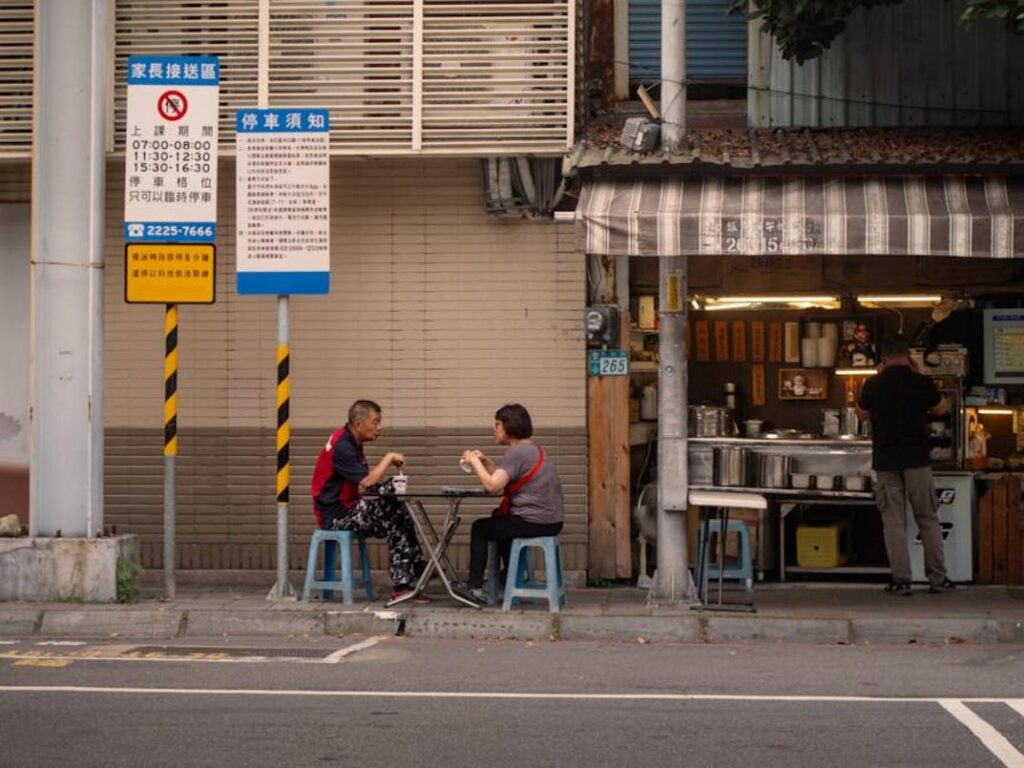

Street food is no longer just quick, inexpensive fare grabbed on the go—it has transformed into a global culinary movement. If you’re searching to understand how humble roadside dishes became refined, chef-driven creations served at pop-ups and food festivals worldwide, this guide to the gourmet street food evolution will give you the full picture.
In this article, you’ll discover how traditional street staples from cities like Bangkok, Mexico City, and Istanbul inspired upscale reinterpretations, how international fusion reshaped local flavors, and which cooking techniques elevated simple recipes into high-impact culinary experiences. We’ll also explore the cultural forces and consumer trends driving this shift.
To ensure accuracy and depth, this piece draws on interviews with professional chefs, culinary historians, and global food trend reports, combining firsthand expertise with research-backed insights. Whether you’re a food enthusiast, aspiring chef, or curious traveler, you’ll gain a clear understanding of how street food became one of the most exciting forces in modern gastronomy.
Street food isn’t just fast and cheap anymore; it’s a laboratory on wheels. Across major cities, chefs are rewriting the rules, fueling a gourmet street food evolution that blends heritage recipes with modern technique. So what’s in it for you? Better ingredients, bolder flavors, and restaurant-level creativity without the white tablecloth markup.
Four Trends to Watch
First, hyper-local sourcing elevates quality and sustainability. Next, global mashups—think kimchi tacos—turn curiosity into craveable staples. Meanwhile, tech-driven pop-ups create loyal fan bases overnight. Finally, health-forward twists make indulgence feel balanced.
In short, you get more adventure per bite (and per dollar) today.
From Farm to Curb
Have you ever wondered why a taco from a food truck can taste brighter than one from a sit-down restaurant? The answer often starts at the farm gate. Across cities, vendors are redefining street flavor by sourcing ingredients from nearby growers, bakers, and artisans.
Picture a taco truck nixtamalizing heirloom corn from a regional farm, or a sandwich stall stacking roast pork onto bread still warm from the neighborhood bakery. This hyper-local sourcing is fueling the gourmet street food evolution, and it is not just about bragging rights.
Why does it matter to you? Fresher ingredients mean sharper flavors and better texture. Buying local keeps money circulating in the community (which, let’s be honest, feels better than funding a mystery supply chain). It also gives vendors a story customers connect with.
Skeptics ask: isn’t local more expensive and harder to manage? Sometimes, yes. But many vendors offset costs by trimming middlemen and reducing waste.
Want to try it at home?
- Make a quick pickle: toss sliced local cucumbers with vinegar, sugar, salt, and chili flakes. Rest 20 minutes. Instant brightness.
Sound simple? That is the point. Fresh starts close to home, always for bold flavor.
Beyond Borders: The Rise of Global Fusion on the Streets
Modern street food has become a living laboratory for what chefs call third-culture cuisine—a style born when cooks raised between cultures blend flavors into something entirely new. Instead of choosing one culinary passport, vendors mix techniques, spices, and stories. The result is gourmet street food evolution happening in real time.
Consider the now-iconic Korean-Mexican kimchi quesadilla, which surged in Los Angeles food trucks in the early 2010s after social media began amplifying mashups. Or Indian-spiced poutine, where garam masala and paneer meet Quebec’s gravy and fries. Japanese-Peruvian sushi burritos wrap nikkei-style ceviche into handheld form, proving that portability is king on busy streets. Some critics argue fusion dilutes tradition. They worry recipes lose authenticity. But cuisines have always traveled—tomatoes reached Italy in the 16th century, and chilies transformed Asia soon after (Columbian Exchange, Encyclopaedia Britannica). Change isn’t betrayal; it’s history.
Immigration patterns and ALWAYS-ON digital platforms have accelerated this blending. A recipe tested in Manila on Monday can trend in Madrid by Friday. That speed fuels experimentation—and debate.
For home cooks, start small. Stir gochujang—a fermented Korean chili paste—into mayonnaise for a spicy aioli that upgrades sandwiches or fries. (Pro tip: let it rest 30 minutes so flavors meld.) For a broader look at where this movement heads next, explore top food trends shaping global kitchens in 2026.
THIS IS A DELICIOUS REBELLION worth tasting. Street carts today forecast tomorrow’s fine-dining menus worldwide. Watch it happen.
Gourmet Techniques in a To-Go Box
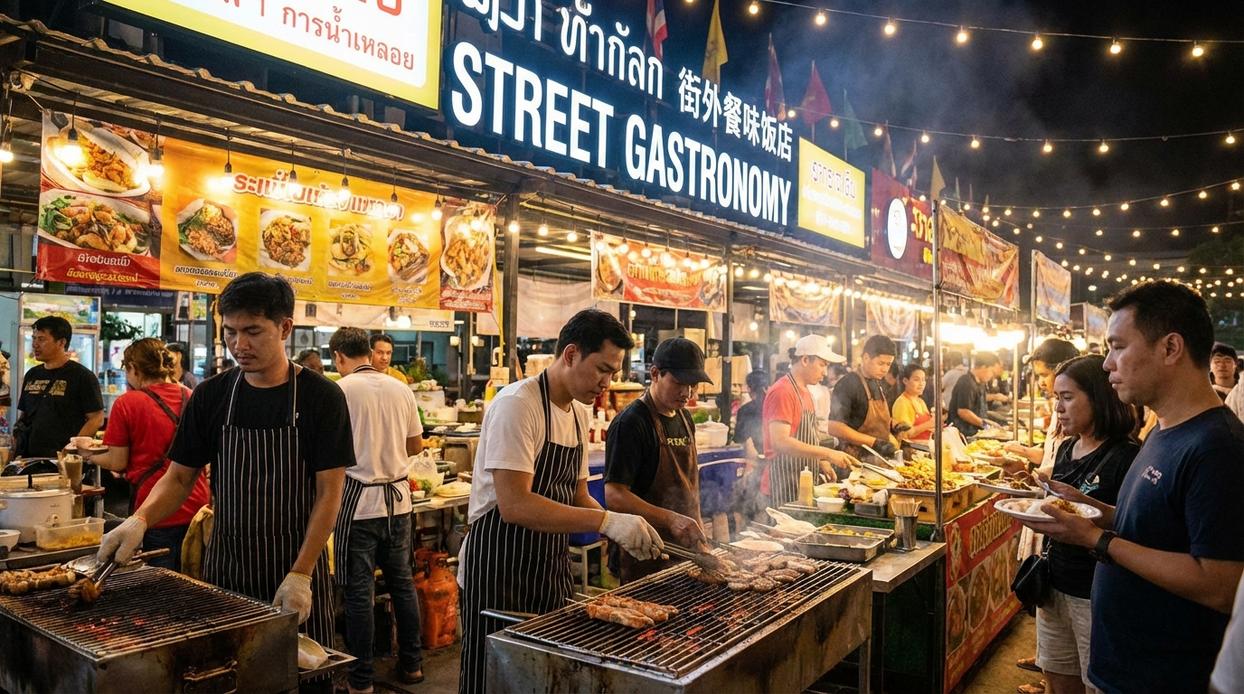
At first glance, a food truck may look like pure convenience. However, step closer and you’ll notice something surprising: fine-dining techniques tucked inside compact kitchens. This is part of the gourmet street food evolution, where culinary craft meets curbside speed.
Take sous-vide, a method of cooking food in vacuum-sealed bags at precise temperatures. It guarantees evenly cooked, tender meat every time (yes, even in a truck the size of a studio apartment). Likewise, fermentation—the controlled breakdown of ingredients by beneficial microbes—creates hot sauces and condiments layered with tangy complexity. High-quality smokers, meanwhile, use steady wood heat to build deep, nuanced flavor.
Admittedly, not every vendor claiming these techniques executes them perfectly. Space, staffing, and time constraints can interfere. Still, when done right, these methods deliver remarkable consistency and elevate quality beyond standard grill-and-serve fare.
So how can you tell? Look for immersion circulators, vacuum sealers, or offset smokers. Notice menu descriptions that mention “48-hour brisket” or “house-fermented chili paste.” Pro tip: ask about the process—serious chefs love explaining it.
In the end, technique sets vendors apart. Think less fast food, more “Chef’s Table” on wheels.
Plant-Powered Pavements: The Vegan Street Food Takeover
Forget limp salads and bland tofu. Today’s plant-based vendors are leading a gourmet street food evolution that’s rewriting what fast, casual dining can be. For you, that means bigger flavors, lighter meals, and options that don’t feel like a compromise.
Take smoked jackfruit “pulled pork” with tangy slaw, crispy fried mushroom “chicken” sandwiches with spicy aioli, or Impossible meat dumplings seared to perfection. These dishes deliver the texture and umami people crave (yes, even die-hard carnivores).
Why the surge? A growing flexitarian crowd—people who occasionally choose plant-based meals for health or sustainability—want satisfying alternatives. According to a 2023 report from the Good Food Institute, plant-based food sales continue to outpace many conventional categories.
What’s in it for you?
- More diverse flavors
- Often lower saturated fat
- A smaller environmental footprint
Pro tip: Seek vendors layering spices, smoke, and crunch—flavor first, labels second.
Hyper-local sourcing, global fusion, refined techniques, and bold plant-based innovation have reshaped how we eat. Together, these shifts define the gourmet street food evolution happening right outside your door. Instead of pricey reservations, you gain access to creative flavors, seasonal ingredients, and chef-level craft at curbside prices. More importantly, you taste cultures colliding in real time. So rather than defaulting to your usual spots, explore vendors who champion local farms, mash up international traditions, or reinvent classics with vegetables. In doing so, you will discover that the sidewalk is not a shortcut, but your city’s most exciting dining destination today.
Savor the Journey of Street Flavors
You set out to explore how street food transformed from humble roadside bites into a global culinary force. Now you’ve seen how culture, migration, and creativity shaped the gourmet street food evolution into a movement that blends authenticity with innovation.
Street food isn’t just fast and flavorful—it solves the modern craving for bold taste, cultural connection, and unforgettable dining experiences without the formality of fine dining. If you’ve ever felt stuck cooking the same meals or unsure how to recreate global flavors at home, you now have the inspiration and techniques to change that.
The next step? Start experimenting. Pick one international street dish, apply the flavor hacks you’ve learned, and bring those vibrant tastes into your own kitchen.
If you’re ready to elevate everyday meals with world-class flavor, explore more global recipes and technique guides with us today. Join thousands of food lovers discovering authentic tastes made simple—dive in now and turn your kitchen into a world street market.