
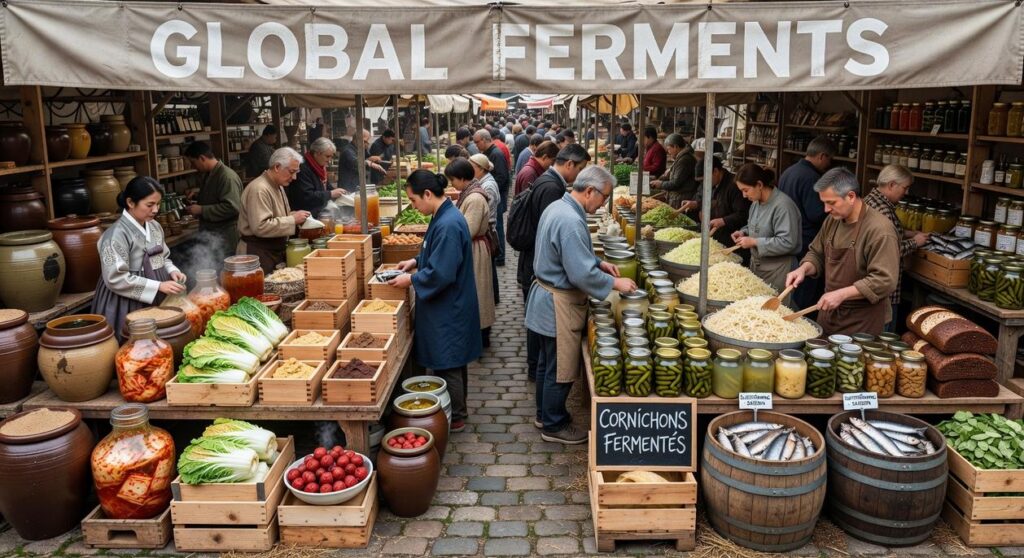
If you’re exploring global cuisine essentials, international fusion recipes, or the latest flavor movements shaping home kitchens, you’re in the right place. This article is designed to help you discover how world food traditions influence modern cooking, from street‑food staples to fine‑dining techniques, and how you can apply them in practical, approachable ways.
We break down key ingredients, cultural context, and smart cooking hacks so you’re not just following recipes—you’re understanding the “why” behind the flavors. You’ll also learn how trends like the fermented foods comeback are rooted in centuries‑old preservation methods now embraced for their bold taste and gut‑health benefits.
To ensure accuracy and depth, we draw on culinary research, insights from international chefs, and documented food history sources. Whether you’re expanding your pantry or experimenting with cross‑cultural dishes, this guide gives you reliable, globally inspired knowledge you can trust and use immediately.
Fermentation is having a MOMENT. What once smelled intimidating now anchors menus everywhere—the fermented foods comeback is real. I’ll admit, my first batch of kimchi was a salty, overactive disaster (lesson learned: measure twice, ferment once). Many people fear the funk, assuming it’s all sour chaos. I did too. But fermentation simply means controlled microbial transformation—bacteria and yeast converting sugars into acids, gases, or alcohol (think yogurt or sourdough). The mistake is rushing it. Give it time, taste as you go, and start small with pickles or miso. Your everyday meals will taste alive. Trust the process, not fear alone.
Beyond the Hype: What’s Driving the Fermentation Frenzy?
At first glance, fermentation can sound scientific—or even intimidating. Simply put, fermentation is a natural process where microorganisms like bacteria or yeast break down sugars into acids, gases, or alcohol. The result? Flavor magic.
Flavor Complexity, Explained
Fermentation creates what chefs call umami—a savory, deeply satisfying taste often described as the “fifth flavor” (think miso soup or aged Parmesan). It also produces that pleasant tang in foods like kimchi or sourdough. These layered notes can’t be replicated with salt or spices alone. Instead, they evolve over time, which is why a splash of soy sauce can transform a bland dish into something restaurant-worthy (yes, it’s basically the culinary equivalent of a plot twist).
Beyond flavor, there’s a gut-friendly bonus. Some fermented foods contain probiotics, beneficial bacteria that support digestive health. While not every fermented product qualifies, many do—making better flavor and better balance a two-for-one deal.
Importantly, fermentation isn’t new. It’s a preservation method dating back thousands of years. In fact, today’s fermented foods comeback reflects a return to reducing food waste and honoring tradition.
And finally, these ingredients aren’t just side dishes. They enrich marinades, deepen sauces, and even star in drinks like kombucha—proof that a little fermentation goes a long way.
A Global Tour of Essential Fermented Flavors

Fermentation is one of the oldest culinary techniques in the world—a natural process where microorganisms like bacteria or yeast convert sugars into acids, gases, or alcohol. The result? Deeper flavor, longer shelf life, and that crave-worthy tang. If you’ve noticed the fermented foods comeback, you’re not alone. But beyond the hype, how do you actually use these ingredients well?
Kimchi (Korea)
More than spicy cabbage, kimchi is a flavor base. Its signature tang comes from lactic acid fermentation, which creates complex sour notes alongside heat and garlic. Stir chopped kimchi into fried rice, fold it into grilled cheese for a sharp kick, or simmer it into stews like kimchi jjigae for layered depth. It even works in tacos (trust me). If a dish tastes flat, a spoonful of kimchi can fix it. Pro tip: add it at the end of cooking to preserve its bright acidity.
Miso (Japan)
Miso is a fermented soybean paste packed with umami—the savory “fifth taste.” White miso is mellow and slightly sweet, ideal for light soups and salad dressings. Red miso ferments longer, creating a saltier, more robust paste perfect for glazing fish or roasted vegetables. Whisk miso with butter for corn or stir it into pasta sauce (it’s like a secret flavor amplifier).
Kombucha (Global)
Kombucha is fermented tea transformed by a SCOBY (symbiotic culture of bacteria and yeast). While known as a drink, it doubles as a tart culinary tool. Use it in vinaigrettes instead of vinegar, as a cocktail mixer, or as a marinade base—the natural acidity helps tenderize proteins. It’s practical, not just trendy.
Sauerkraut (Europe)
Sauerkraut—fermented cabbage—adds crunch and acidity beyond hot dogs. Toss it into salads for brightness or sauté it with onions and apples to balance roasted pork. The sweet-sour combo elevates simple meals effortlessly.
Kefir/Yogurt (Middle East/Eastern Europe)
Kefir and yogurt are fermented dairy rich in probiotics—beneficial bacteria that support gut health (Harvard Health Publishing). Their natural enzymes tenderize chicken and lamb in marinades, while their tang forms the base of cooling sauces like tzatziki. For more inspiration on elevating everyday dishes, explore street food to fine dining how casual dishes go gourmet.
Fermented flavors aren’t complicated—they’re practical tools hiding in plain sight.
Easy Ways to Bring Fermented Foods to Your Table
Fermented foods can sound intimidating. Maybe you picture bubbling crocks and complicated science experiments (or that one sourdough starter that took over your kitchen). But in reality, the easiest way in is surprisingly low-effort.
The “Flavor Bomb” Technique
First, think small. A spoonful of miso (a fermented soybean paste) stirred into tomato sauce deepens flavor instantly. A splash of kimchi brine in a stir-fry works like citrus—bright, tangy, alive. Even a dollop of kefir (a drinkable fermented milk) swirled into soup adds creaminess with a subtle tang.
Some argue fermented foods overpower dishes. Fair point—kimchi can be bold. However, when used as a background note rather than the main act, fermentation enhances rather than dominates. (Think supporting actor, not main villain.) Pro tip: add fermented elements at the end of cooking to preserve their nuanced flavor.
Next, upgrade your sandwiches and bowls. A layer of sauerkraut or kimchi adds crunch, moisture, and acidity that cuts through rich meats or roasted veggies. It’s the same reason pickles work on burgers—contrast creates balance.
Then, try next-level dressings. The formula is simple: fermented element + oil + seasoning. For example, whisk miso + olive oil + black pepper. Or kefir + avocado oil + garlic. Even kombucha + sesame oil + ginger creates a lively vinaigrette.
What’s next? If you’re ready to DIY, pack sliced carrots or radishes into a jar with 2% salt by weight, add water to submerge, and let sit 3–5 days. That’s it. The fermented foods comeback isn’t about trends—it’s about flavor that works. Once you start, you’ll wonder where else a little tang could fit.
Now that you understand not just what fermentation is but the culinary leverage it offers, it’s easier to see why chefs from Copenhagen to Kyoto treat it like liquid gold. Yes, those bold flavors can seem intimidating at first—who hasn’t hesitated over a jar of gochujang at H Mart? But start small. Think of fermentation as a flavor bomb, not the whole dish. In fact, the fermented foods comeback is all about subtle upgrades, not shock value.
- Stir miso into a weeknight marinade
- Add kimchi to a grilled cheese
- Finish soup with a splash of shoyu
So, which one will you try this week?
Bringing Global Flavors Back to Your Table
You came here looking for fresh inspiration and practical ways to explore global cuisine with confidence. Now you have the essentials—from bold fusion ideas to smart cooking hacks and a deeper appreciation for the fermented foods comeback reshaping modern kitchens.
If you’ve ever felt stuck making the same meals or unsure how to recreate authentic international flavors at home, that frustration ends here. The right techniques and flavor pairings transform ordinary ingredients into unforgettable dishes.
Now it’s time to take action. Pick one new global recipe to try this week. Experiment with a fermentation staple. Apply one technique hack you learned and taste the difference.
And if you’re ready to elevate your cooking even further, explore more globally inspired guides and flavor breakdowns trusted by food lovers worldwide. Discover new tastes, master new skills, and turn your kitchen into a world-class experience today.

 Ismaeler Lennoncier writes the kind of world flavor inspirations content that people actually send to each other. Not because it's flashy or controversial, but because it's the sort of thing where you read it and immediately think of three people who need to see it. Ismaeler has a talent for identifying the questions that a lot of people have but haven't quite figured out how to articulate yet — and then answering them properly.
They covers a lot of ground: World Flavor Inspirations, Cooking Technique Hacks, Culinary Pulse, and plenty of adjacent territory that doesn't always get treated with the same seriousness. The consistency across all of it is a certain kind of respect for the reader. Ismaeler doesn't assume people are stupid, and they doesn't assume they know everything either. They writes for someone who is genuinely trying to figure something out — because that's usually who's actually reading. That assumption shapes everything from how they structures an explanation to how much background they includes before getting to the point.
Beyond the practical stuff, there's something in Ismaeler's writing that reflects a real investment in the subject — not performed enthusiasm, but the kind of sustained interest that produces insight over time. They has been paying attention to world flavor inspirations long enough that they notices things a more casual observer would miss. That depth shows up in the work in ways that are hard to fake.
Ismaeler Lennoncier writes the kind of world flavor inspirations content that people actually send to each other. Not because it's flashy or controversial, but because it's the sort of thing where you read it and immediately think of three people who need to see it. Ismaeler has a talent for identifying the questions that a lot of people have but haven't quite figured out how to articulate yet — and then answering them properly.
They covers a lot of ground: World Flavor Inspirations, Cooking Technique Hacks, Culinary Pulse, and plenty of adjacent territory that doesn't always get treated with the same seriousness. The consistency across all of it is a certain kind of respect for the reader. Ismaeler doesn't assume people are stupid, and they doesn't assume they know everything either. They writes for someone who is genuinely trying to figure something out — because that's usually who's actually reading. That assumption shapes everything from how they structures an explanation to how much background they includes before getting to the point.
Beyond the practical stuff, there's something in Ismaeler's writing that reflects a real investment in the subject — not performed enthusiasm, but the kind of sustained interest that produces insight over time. They has been paying attention to world flavor inspirations long enough that they notices things a more casual observer would miss. That depth shows up in the work in ways that are hard to fake.